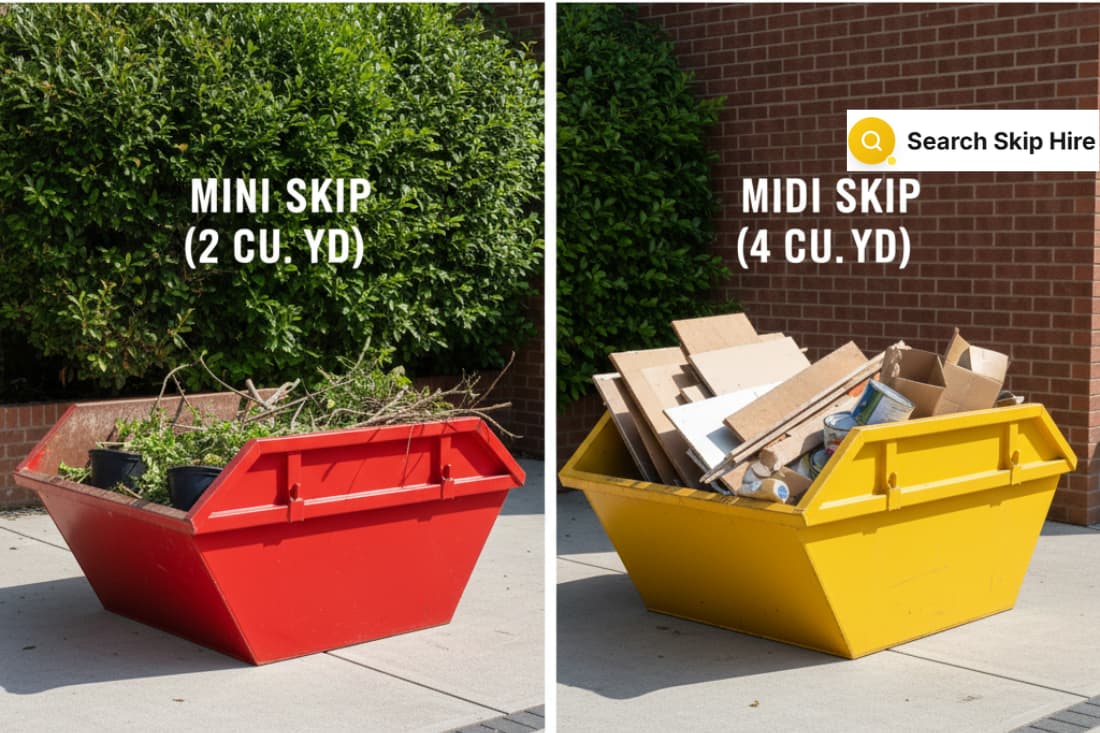
TL;DR
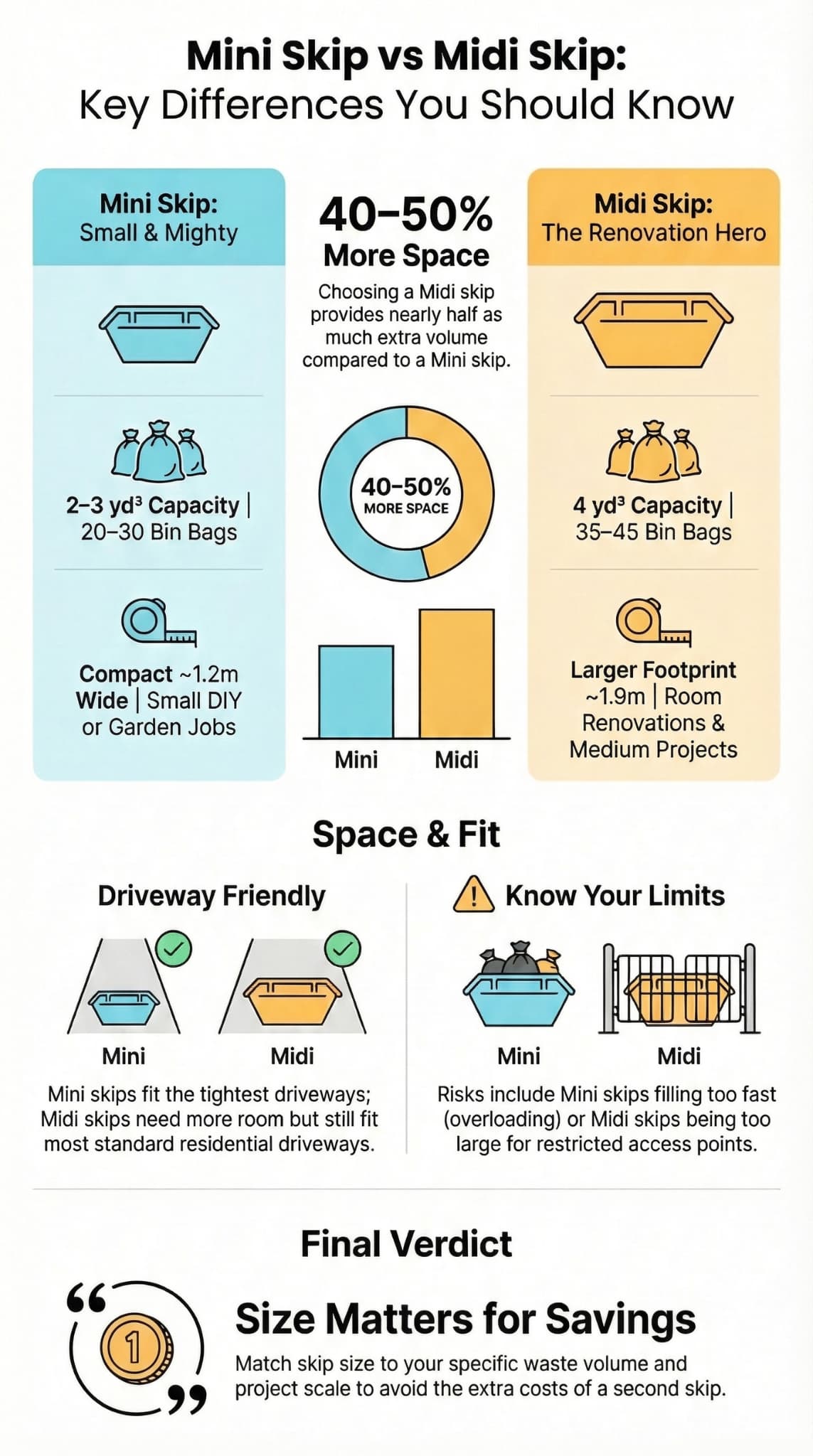
Mini skips hold about 20-30 bin bags and work best for small DIY jobs or garden cleanups, while midi skips offer 40-50% more capacity at 35-45 bags and suit medium projects like room renovations. Choosing the right size depends on your project scope and available driveway space, helping you avoid unnecessary costs and the need for multiple skips.
The main difference is size. A mini skip holds 2-3 cubic yards, about 20-30 bin bags of light waste. A midi skip is larger at 4 cubic yards, holding roughly 35-45 bags.
Choose a mini skip for small DIY jobs or a garden clear-out where space is limited on your driveway.
A midi skip is better for medium projects, like fitting a new kitchen or clearing a larger room. Picking the right size saves you money and avoids the hassle of needing a second skip.
Keep reading for a detailed comparison to help you decide which skip is right for your specific task.
Mini vs Midi Skips: Quick Choice Guide
These essentials help you quickly compare mini and midi skips so you can match the size to your project, space, and amount of waste.
Capacity is key: A mini skip holds 20-30 bin bags; a midi skip holds 35-45, offering about 40-50% more space.
Match the skip to your project: Use a mini for small, light jobs like a shed clear-out. Choose a midi for medium tasks like renovating a single room.
Consider your space: A mini skip fits easily on narrow driveways. A midi skip needs a bit more room but is still suitable for most homes.
Mini Skip Overview and Typical Capacity
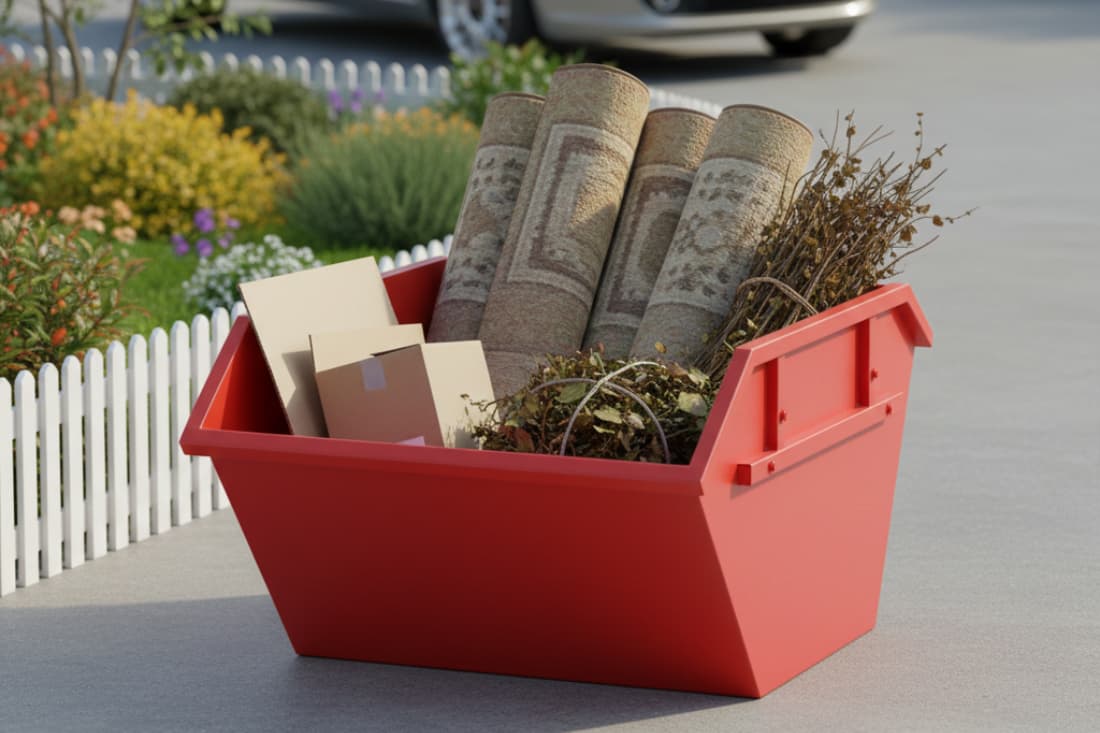
A mini skip is the smallest standard skip you can hire. It's designed for projects that create a small amount of waste.
With a capacity of 2 to 3 cubic yards, it's a compact and handy choice for homes. Its size, usually about 1.2 meters wide, means it can sit on a driveway without getting too much in the way.
As highlighted by Redcar and Cleveland Borough Council
"The fee has been revised to provide a charging process based on the skip size being applied for, this has introduced the charging for 2 cubic yard mini, 4 cubic yard midi and 8 cubic yard maxi skip." - Redcar and Cleveland Borough Council
This skip is perfect for jobs where you don't have a huge amount to throw away. You often see them outside homes during a big clean-up or small DIY projects. Because it's small, it can be delivered by smaller trucks that fit down narrow streets easily.
Here’s a simple way to picture how much a mini skip holds:
Typical capacity: 20 to 30 standard black bin bags.
Equivalent volume: About 28 wheelbarrow loads of light garden waste.
Best for: Light, bulky items that aren't too heavy, like old furniture or garden clippings.
Midi Skip Overview and Typical Capacity
A midi skip is the next size up and a very useful choice for many homeowners. It typically holds 4 cubic yards.
This gives you a good amount of extra space compared to a mini skip, making it right for bigger jobs. It's usually about 1.9 meters long, so it still fits on most driveways without too much trouble.
As noted by Wakefield Council
"Midi - £149. Four cubic yards. Can fit around 40 regular black bags. Suitable for low volume waste projects and can easily fit on driveways. Up to four days' hire period." - Wakefield Council
This skip is a great middle option. It's big enough for a proper room renovation but not so large that it's hard to place or too costly, especially when comparing common skip types used for different household and building projects.
For a single-room project, a midi skip is often the perfect fit, it gives you enough room without being too much.
The extra space means you can get rid of more waste at once. This is helpful for jobs that create a mix of rubbish, like old kitchen units, packaging, and some rubble. It stops you from filling a mini skip too fast and needing to order a second one.
Typical capacity: 35 to 45 standard black bin bags.
Equivalent volume: Roughly 40 to 56 wheelbarrow loads.
Best for: Medium-sized home renovations and clearances, like a new bathroom or a big garden project.
Size and Volume Differences Between Mini and Midi Skips
The main difference is how much they can hold. A mini skip is enough for a small job, but a midi skip gives you a lot more room, which is why understanding different skip types can help when planning waste removal for home projects.
In simple terms, a midi skip offers about 40% to 50% more space than a mini skip. This is important to get right, as ordering one that's too small can mean extra costs and delays.
The size also affects where you can put it. A mini skip's small build means it can fit in a tight spot on a driveway with little fuss.
A midi skip, while still good for homes, needs a clearer area about the length of a small car. You need enough space for the lorry to drop it off and for you to still get in and out of your property.
Choosing between them often comes down to your project's size. This table shows the main differences side-by-side.

Typical Projects for Mini vs Midi Skips
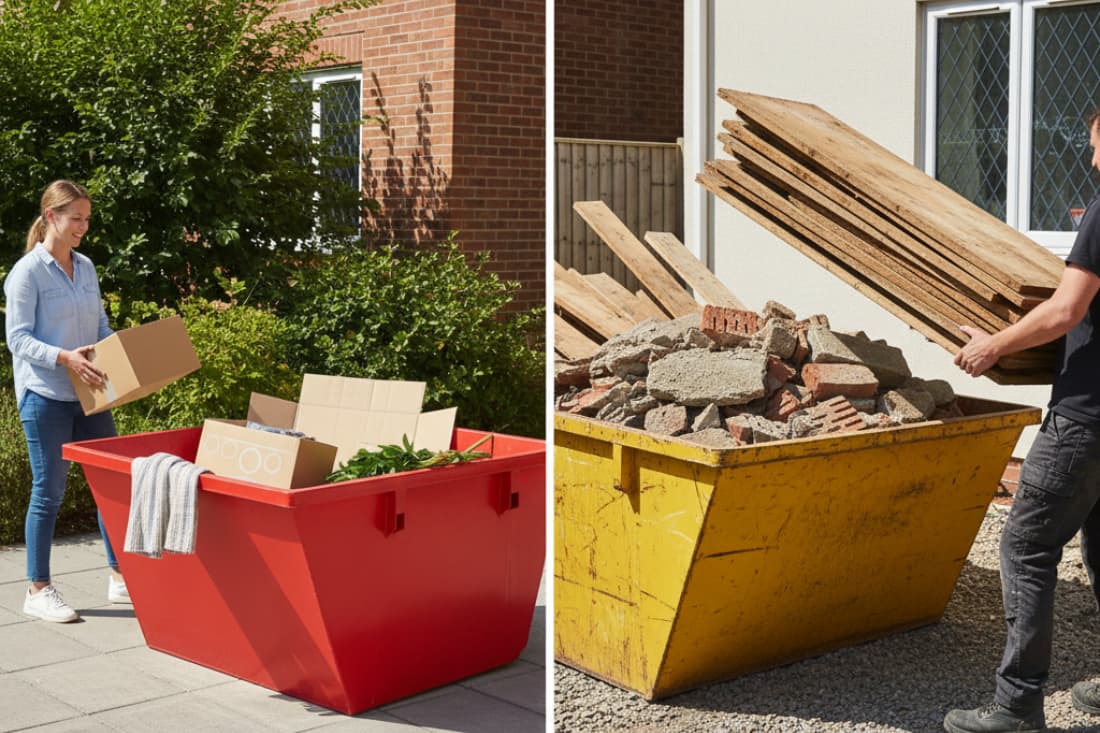
Choosing the right skip is easier when you think about the job. The waste from different projects changes in both amount and weight.
A mini skip is made for lighter, smaller tasks. A midi skip is the better choice for more serious one-off projects that create a noticeable pile of rubbish.
For example, clearing a garden shed, trimming some bushes, or getting rid of an old carpet and a few chairs would fit in a mini skip. This waste is often bulky but not very heavy. The skip gives you one place to put everything, saving trips to the tip.
A job like fitting a new kitchen creates different waste. You could have old cabinets, worktops, tiles, and lots of packaging, which is why larger projects sometimes move beyond smaller skips to builder skip use cases when dealing with heavier renovation debris.
This adds up fast in both space and weight. A midi skip has the room to hold it all, keeping the work area tidier and safer.
Ideal projects for a Mini Skip:
Clearing a small attic or garage.
Removing a small patio or garden path.
A small bathroom update (like replacing a suite).
General household decluttering.
Ideal projects for a Midi Skip:
A full kitchen or bathroom renovation.
Taking out an old garden fence and the waste.
Clearing a large garage or a small office.
Strip-out waste from a single-room extension.
Driveway Space and Placement Differences
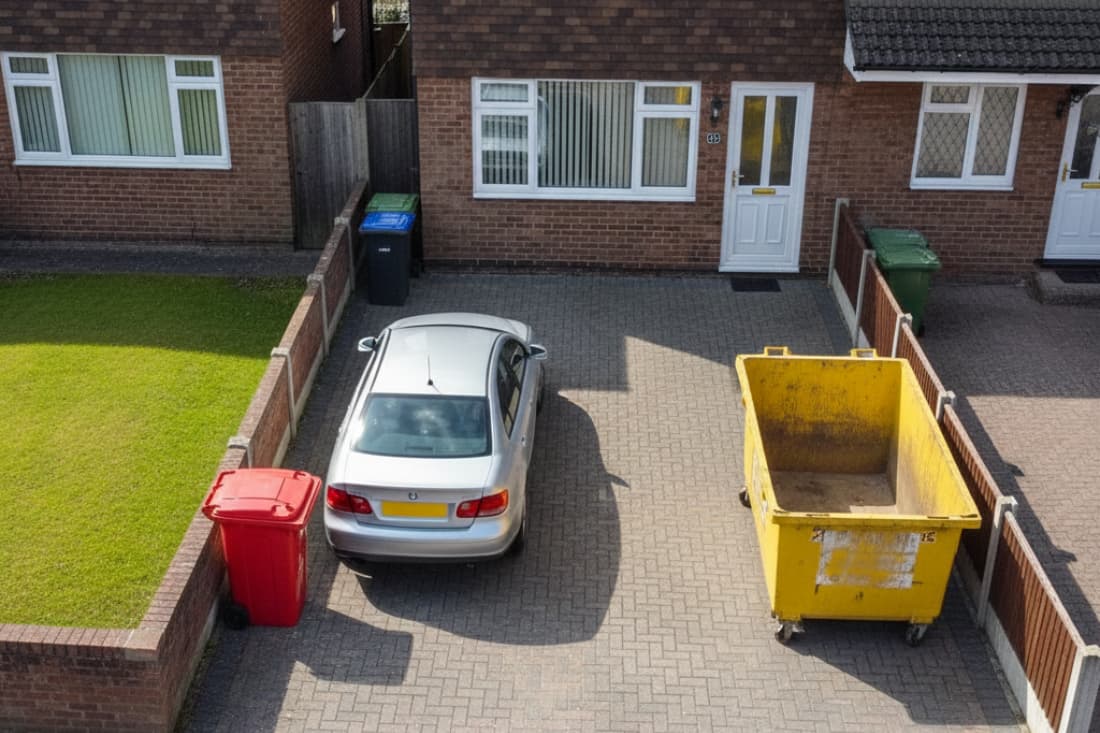
Where you can put the skip is often as important as the size you pick. Most skips for homes are placed on private driveways. The space you have there will decide which skip you can use. A mini skip is the most flexible choice if you have a small driveway.
If your driveway is narrow or short, a mini skip is usually the only option that fits. Its small size means it's less likely to block a garage or path. The truck that delivers it is also better at getting into tight spots, which is helpful in busy neighborhoods or homes with shared access.
A midi skip needs a bit more room. You need enough space for the skip itself, plus extra room to walk around it and load it. It's still a good size for most driveways and is often the largest you can have without needing a road permit.
If your driveway can fit a car with space to spare, it should fit a midi skip. It's always wise to measure your space and talk about access with the hire company first.
Whether you're in Greater London with tight streets or in Kent with more varied properties, checking access is the first step. If the skip must go on a public road, you will need a permit from your local council. This can cost between £20 and £50 and takes some time to arrange.
FAQ
The main difference between Mini skips and a Midi Skip is the skip size and waste capacity. A Mini (2 cubic yard) skip usually holds about 20 to 30 bin bags. A Midi (4 cubic yard) skip holds about 40 to 60 bin bags. Mini skips suit small projects and garden work, while midi skips handle larger domestic renovations and waste removal tasks.
The correct skip depends on the waste type and the size of the project. Mini skips work well for spring cleaning, garden work, and small DIY projects. A 4-yard midi skip is often better for kitchen refurbishing, domestic renovations, or householder projects that produce more household waste, construction waste, or bulky items.
Both skip types can carry heavy waste, but weight limits still apply. Heavy material such as soil, concrete, or construction debris can fill a mini skip quickly. A midi skip provides more capacity for heavy loads from building jobs or building waste. Always follow waste management rules and disposal requirements to avoid exceeding weight limits.
If the skip is placed on residential streets or public land, the local council usually requires road permits through a permit application. If the skip is placed on private property, such as a driveway, a permit is usually not required. During skip hire booking, the provider normally confirms booking availability and arranges the delivery date.
Both skip types can support waste removal for domestic customers and commercial customers. Mini skips are suitable for small commercial building projects or lightweight goods. A midi skip can manage larger waste volumes from building projects or construction sites. All users must follow waste management rules, health and safety requirements, and environmental regulations.
Choose the Right Skip Size, Avoid Costly Mistakes
The difference between a mini and midi skip shapes your entire project. Estimate your waste honestly, more than 30 bin bags usually means a midi skip. Think about weight too, rubble and heavy materials reach limits fast. One well chosen skip saves money, time, and frustration.
A rushed choice can lead to overfilled skips, extra collections, and rising costs. A smarter choice keeps everything simple, contained, and moving forward without disruption. Start your Skip Hire Search to compare trusted local companies and find the right skip for your project.
References
Related Articles
Filed under:
Skip Types