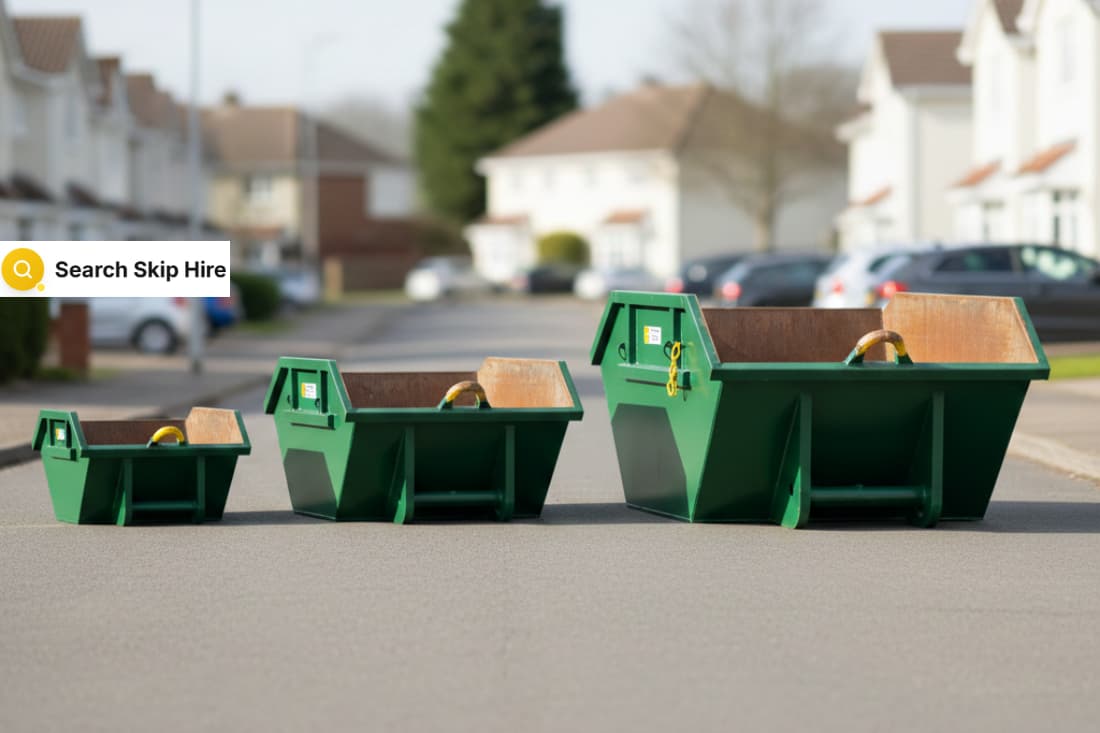
TL;DR
When choosing a skip in the UK, match the size in cubic yards to your project type and waste materials, and remember that a 6-yard builder's skip is the standard for most jobs while smaller mini and midi skips work well for household tasks. You'll also need to check local council permit requirements if placing your skip on a public road, and always confirm weight limits with your hire company to avoid extra charges.
Skip hire in the UK uses standard sizes measured in cubic yards. The main types range from a small 2-yard mini skip for garden work to large 40-yard containers for industrial sites. The most common size is the 6-yard builder's skip, holding about 55 to 70 bin bags.
The right skip depends on the project size, waste type, and placement location. You often need a council permit to put a skip on the road. This guide explains each skip type clearly, helping you choose the best one for your job.
Read on to learn about sizes, uses, and important rules.
Skip Size & Rules: The Essentials to Know
These key points highlight the basics of choosing the right skip, understanding waste types, and following local rules so your hire goes smoothly.
Size is measured in cubic yards: Skip sizes, from mini to maxi, refer to their volume capacity. A 6-yard skip is the standard for most building work.
Match the skip to your waste type: Different skips are designed for general, inert, green, or hazardous waste, each with specific rules on what can go in.
Check local permit rules: If you need to place a skip on a public road, you will likely need a permit from your local council, which is an additional cost and responsibility.
Standard Skip Sizes Used in the UK
Skip hire in the UK uses a simple system based on cubic yards. This helps everyone, from homeowners to builders, understand how much waste a skip can hold.
Sizes start small for household jobs and go up to large containers for building sites. Knowing these sizes helps you avoid ordering a skip that's too small or too big.
The most popular skip is the 6-yard builder's skip. It's a practical size for many projects and widely recognized for its builder skip best use cases across renovation, construction, and landscaping jobs.
To give you an idea, one cubic yard is about the size of a washing machine. The table below shows the common skip sizes and what they're best for.

Skip size refers to volume, not weight. Every skip has a weight limit. Filling it with very heavy materials like soil or rubble can lead to extra charges. A 6-yard skip, for example, often has a weight limit of about 6 tonnes for heavy waste.
Mini and Midi Skips for Small Domestic Projects
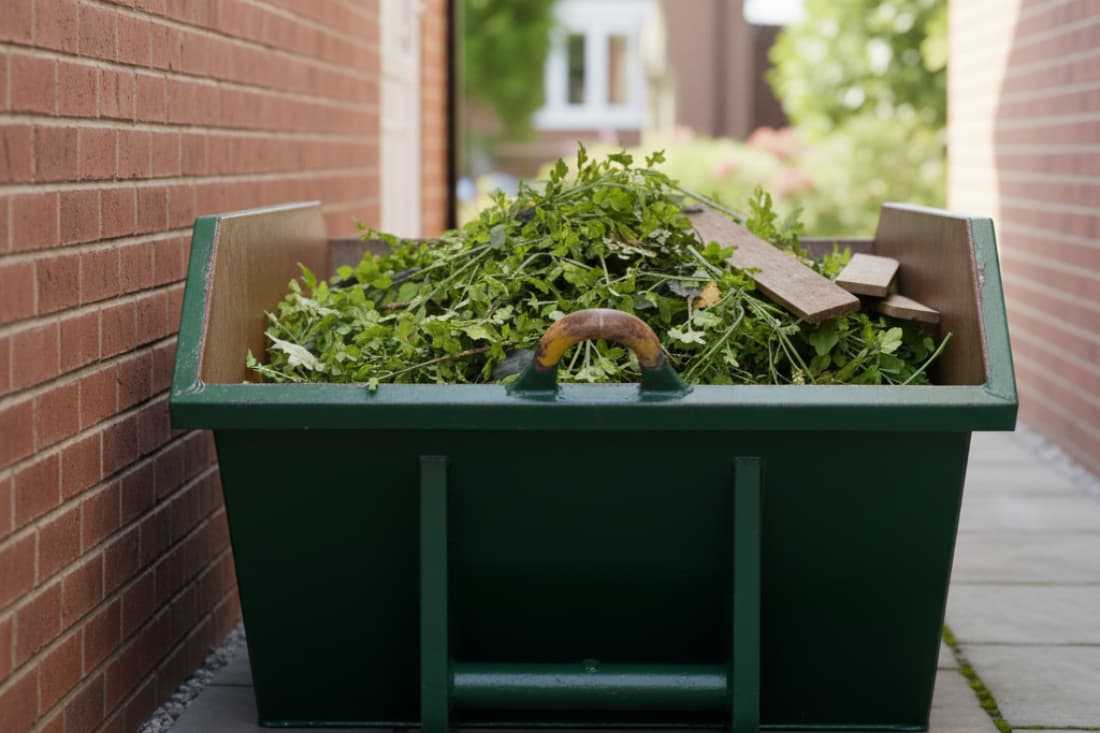
For smaller jobs around the home, mini and midi skips are a great fit. They are compact and designed to sit neatly on a driveway without getting in the way. These are the go-to choice for weekend DIY projects or a seasonal garden clean-up.
A mini skip is the smallest standard size, usually 2 to 3 cubic yards. It's about the size of a small car boot, making it perfect for homes with limited space.
A midi skip, normally a 4-yard model, gives you more room while still being easy to place on a driveway. That extra space can mean you only need one skip instead of two for a job like a kitchen refit.
Mini Skips (2-3 yd³): Best for light waste from small jobs. This includes garden clippings, old fence panels, or clearing out a shed.
Midi Skips (4 yd³): Better for larger household tasks. This could be removing an old bathroom, taking up a small patio, or getting rid of general clutter when moving house.
Choosing between them often depends on how much you have to clear out. If you're not sure, it's usually wiser to go for the slightly larger midi skip, especially when comparing the practical differences between mini skip vs midi skip options for typical household projects. This helps avoid overfilling, as many companies won't collect a skip that's piled too high.
Builder’s Skips for Construction and Renovations
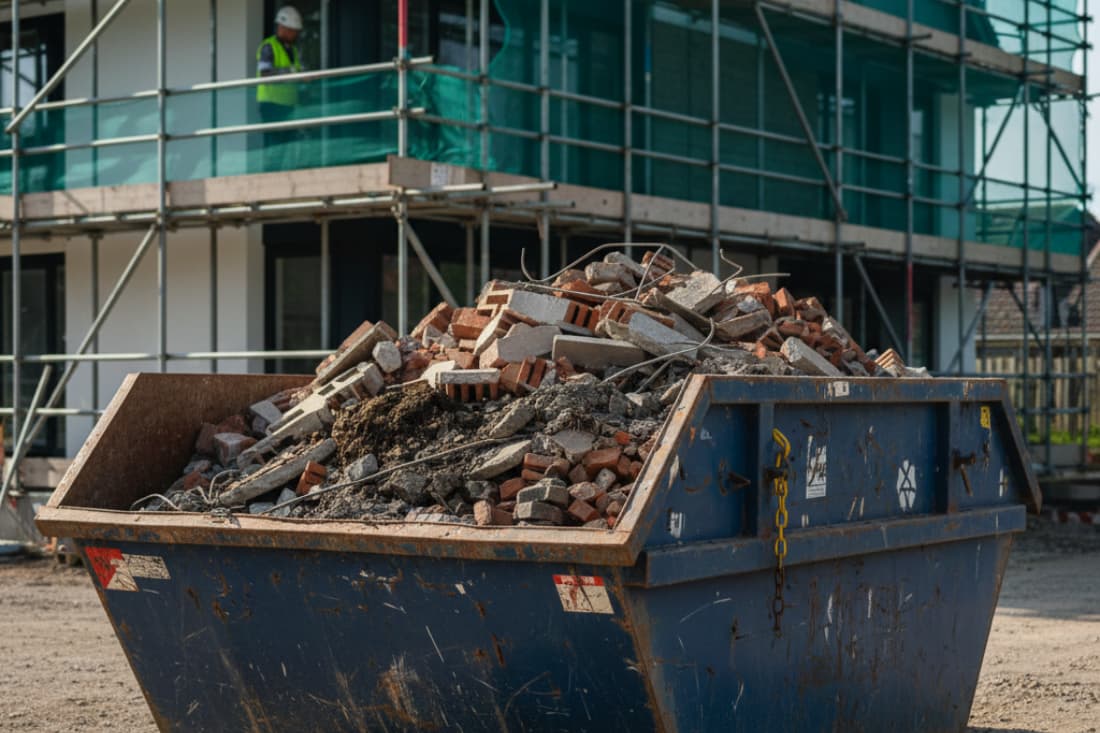
For bigger jobs like building work or a major home renovation, builder's skips are the right choice. These skips are commonly used on building sites. They are made to handle heavier, bulkier materials.
As highlighted by Wikipedia
"6 cu. yd. – builders skip. 5 m3. Approximately 60-70 black bin bags. Perfect for refurbishment projects. Ideal for house/attic clearances. Fits approximately 6 tons of soil and stone or hardcore." - Wikipedia
The 6-yard builder's skip is the most popular size. It can take a mix of heavy and light waste, making it versatile for projects with soil, rubble, wood, and general packaging.
An 8-yard skip offers more space for larger projects but has stricter weight limits for very dense materials. It is suitable for lighter waste such as plasterboard and timber.
Typical uses for a 6-yard skip: Removing an old kitchen (units and tiles), landscaping a medium garden, or waste from a single-storey extension.
Typical uses for an 8-yard skip: A full house clearance with old furniture, waste from a loft conversion, or debris from a larger renovation.
It's important to talk to your hire company about the type of waste you have. In busy areas like Greater London or West Midlands, where space is limited, you also need to make sure the delivery truck can easily reach your location.
Large Skips and Roll-On Roll-Off (RoRo) Containers
For the very biggest projects, standard skips aren't large enough. Large skips or Roll-On Roll-Off (RoRo) containers are used for these projects. They are used for commercial sites, industrial work, or projects generating large volumes of waste.
In a recent analysis by Environment Agency
"Roll-on/roll-off (RORO) skips are similar to open skips, but instead of being lifted onto a skip loader wagon by chains, they are rolled onto a wagon with a hook. They are more common as industrial containers and are not suitable for domestic use." - Environment Agency
A 12-yard skip is the largest traditional skip size. It's a big, open-top container used for major clearances or large refurbishments.
For even more capacity, Roll-On Roll-Off (RoRo) skips are the solution. These are massive containers that are loaded onto a special lorry by being rolled on and off. They come in much larger sizes, typically from 20 to 40 cubic yards.

RoRo hire works differently. The container is left on your site for you to fill over an agreed time. When it's full, it's swapped for an empty one or collected. This system is common for sites that create waste continuously.
Skip Types by Waste Material
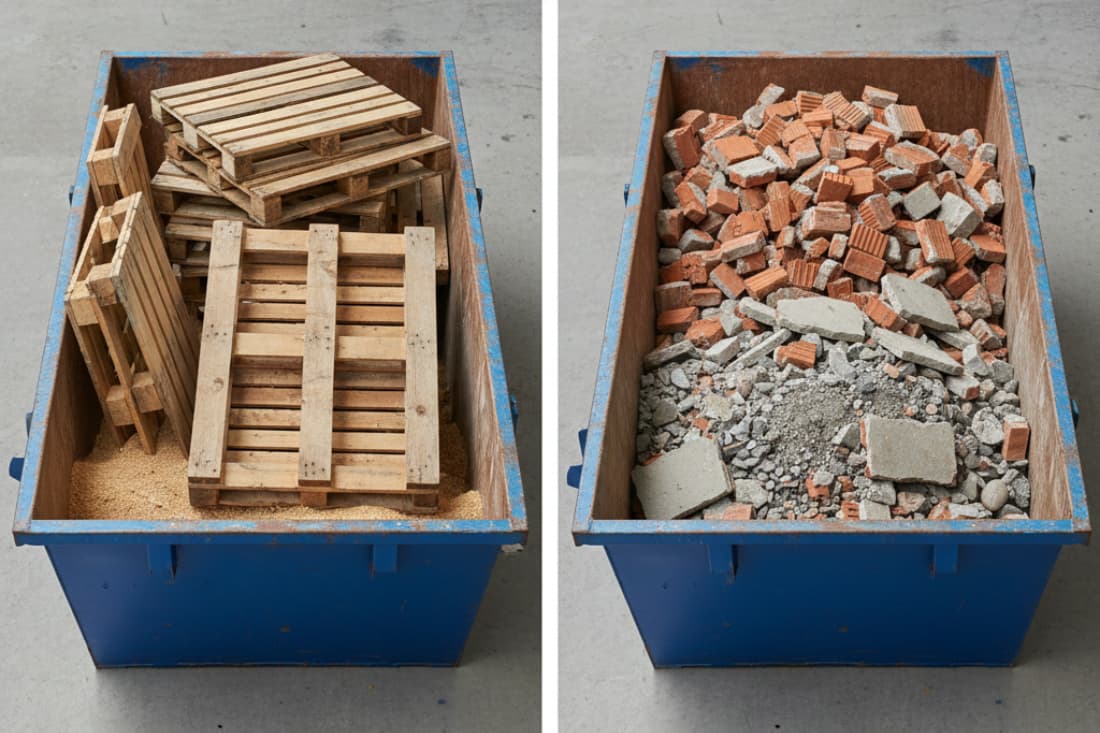
Skip hire companies sort their skips by the type of waste they are allowed to carry, which is why understanding different skip types and container options helps ensure the right skip is chosen for each waste category.
Putting the wrong waste in a skip can mean it won't be collected, or you could face extra charges. These categories ensure correct waste disposal.
The most common type is the general waste skip. This is for mixed rubbish from homes or businesses that can't be easily recycled, like some plastics, fabrics, and mixed packaging.
Other common skip types are:
Recycling skips: For separated loads of metal, clean wood, cardboard, or aggregates.
Green waste skips: Specifically for garden waste like grass, leaves, and tree cuttings, which gets composted.
Inert waste skips: For clean, non-organic materials like soil, bricks, concrete, and rubble.
Some materials need special handling and are not allowed in standard skips. This includes hazardous waste like asbestos, chemicals, batteries, and tyres.
Items like old fridges or computers also have their own strict rules. Always check with your local provider about what you can and cannot put in your skip.
UK Skip Hire Rules, Permits, and Common Restrictions
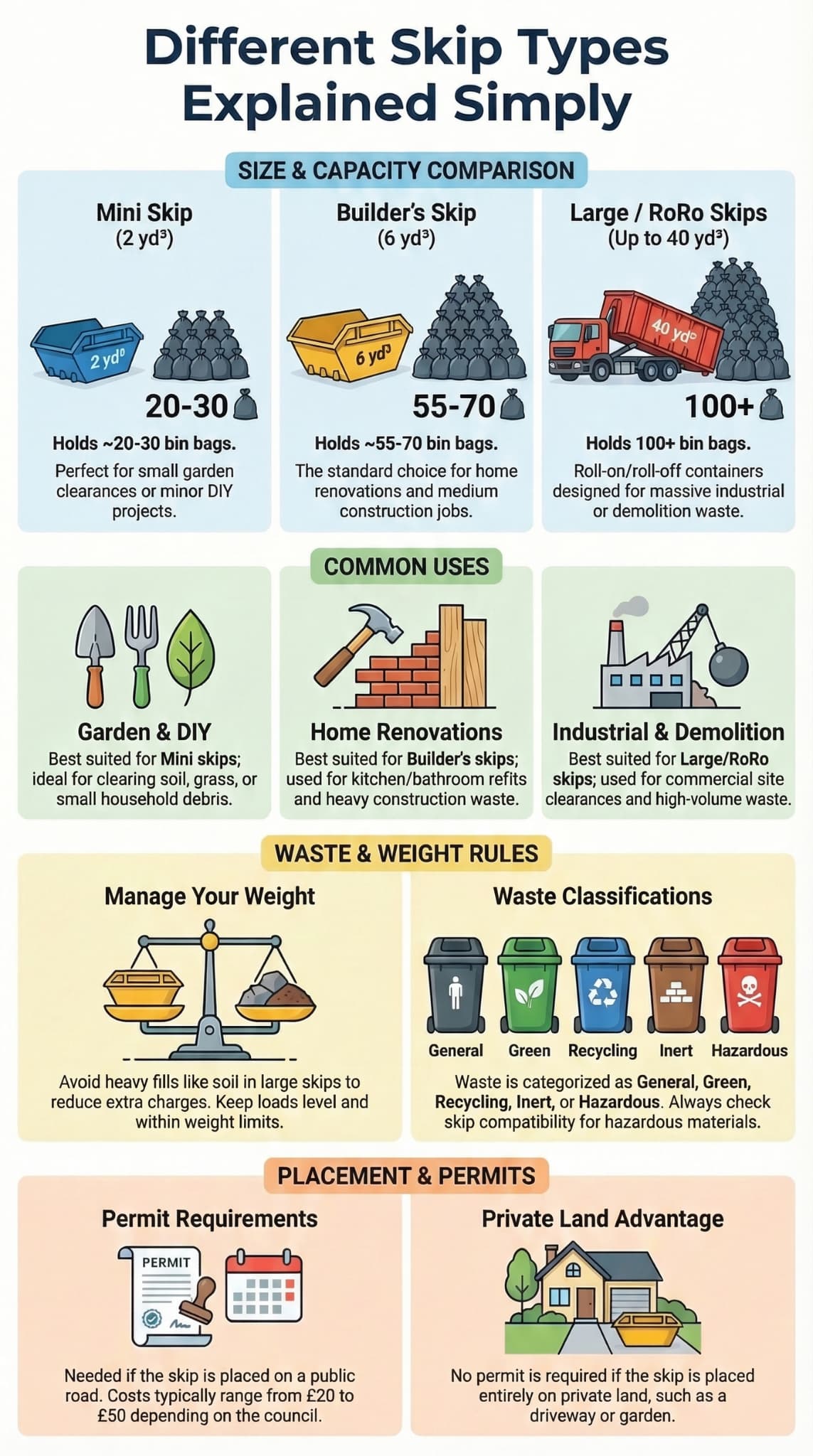
Hiring a skip involves a few important rules for safety and the environment. The main rule is about where you put it. If the skip needs to go on a public road or pavement, you legally need a permit from your local council.
The cost and process for a permit depend on your local authority. It usually costs between £20 and £50. You or your hire company will need to apply, giving details like the skip size and how long you need it. If the skip sits completely on private land, like your own driveway, you usually don't need a permit.
Other key rules include:
Weight limits: Skips must not be loaded above their maximum weight limit, as this is unsafe for transport.
No overfilling: Do not pile waste above the top of the skip's sides. This is a safety hazard. Companies may refuse to collect an overloaded skip or charge an extra fee.
Check the license: All reputable skip hire companies must have a valid waste carrier license from the Environment Agency. You can ask to see this for peace of mind.
FAQ
The correct skip size depends on waste volumes, waste type, and the overall project requirements. Small jobs such as garden clear-outs or house clearance usually use Mini Skips. Medium projects often require Midi Skips or builder's skips. Large construction projects may need Maxi Skips or roll-on roll-off skips. A Skip Hire Guide often explains skip bin sizes and cubic yards.
Different skips are designed for specific waste types. A Mixed Waste Skip can accept general waste from home renovations, kitchen remodels, or house cleanouts. Some facilities also provide containers for recyclable materials such as Cardboard Waste, Glass Waste, or Plastic Waste. Separating waste types improves waste management efficiency and supports eco-friendly practices in waste disposal projects.
Roll-on roll-off skips are designed for large-scale waste removal on construction sites and industrial operations. These containers manage large waste volumes from demolition work, building projects, and construction debris. Their high waste holding capacity makes them suitable for industrial waste and heavy materials. Specialized skip lorries deliver these containers to sites with appropriate site access.
Yes, skip hire companies apply waste restrictions to ensure safe waste disposal and environmental protection. Hazardous items such as oil waste, asbestos, and certain chemicals cannot enter standard skips. Some waste disposal sites require special containers such as an Asbestos Skip. Following these rules prevents overfilling skips and supports sustainable waste management practices.
If you place a skip on public land, the local council usually requires a permit for placement. This permit allows the skip to remain on a road or pavement for a defined period. If the skip is placed on private property, a permit is usually not required. Always confirm site access and vehicle dimensions before arranging skip hire delivery.
Choose the Right Skip, Keep Your Project Moving
The right skip does more than hold waste, it keeps your project flowing. When size, waste type, and placement align, delays fade and costs stay controlled. But choose poorly and small oversights grow. Have you matched your skip to the real demands of your job, whether in Greater Manchester or the countryside?
A quick decision today prevents expensive mistakes tomorrow. Check local permit rules, plan the placement, and lean on local knowledge. Experts who understand your area can guide you before problems begin. Start with a trusted search. Find the right provider and get clarity fast at Skip Hire Search.
References
Related Articles
Filed under:
Skip Types