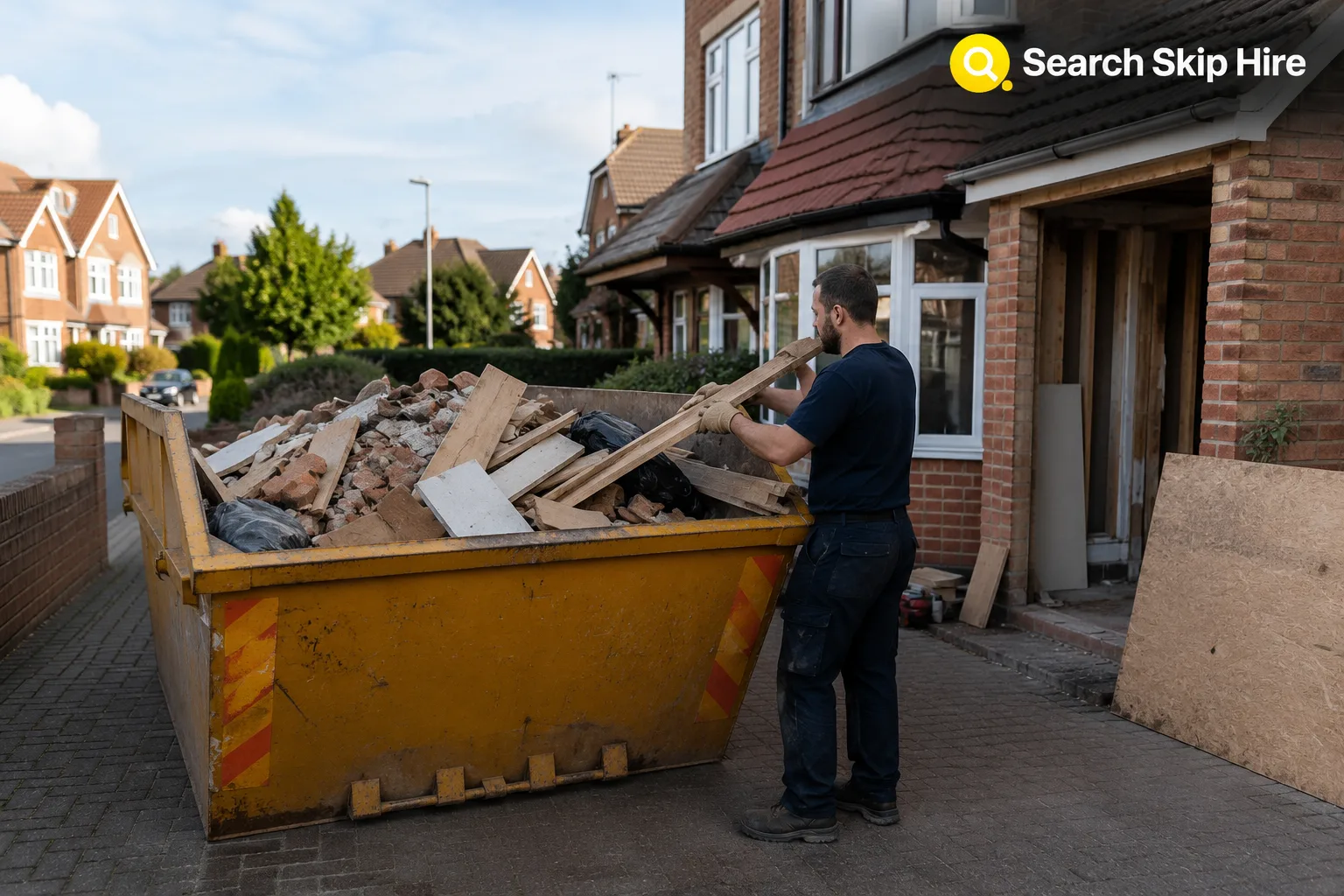
Skip hire makes waste removal easier during renovations, garden clearances, and construction projects. Instead of making multiple trips to disposal sites, a skip provides a convenient place to collect waste, helping keep the site safer, cleaner, and more organised. It also supports responsible rubbish removal by ensuring waste is handled at licensed facilities.
At Search Skip Hire, we help homeowners and contractors choose the right skip size, avoid unnecessary costs, and manage waste efficiently from start to finish.
What Matters Most About Skip Hire?
£120–£450+ is the typical skip hire cost, depending on skip size, waste type, and hire duration
A skip permit is only required when placing a skip on a public road or pavement, not on private driveways or land
The 6-yard builder skip is the most commonly used size for home renovations and medium-scale projects
Demand can increase during peak renovation seasons, which may affect availability and lead times
The UK recycling rate is around 44–45%, highlighting the importance of structured waste management systems
What Is Skip Hire?
Skip hire in Bristol is a simple waste service where a container is delivered to a location, filled over time, and collected once it is full. Because it allows all waste to be stored in one place, it is commonly used for household rubbish, business waste, and construction debris.
This approach improves waste handling by making it more organised, safer, and more efficient compared to repeated trips to disposal sites. It also reflects the basic concept of skip hire in the UK, where waste is temporarily stored and then collected for controlled disposal at licensed facilities.
For a more detailed breakdown of how this system works in practice, you can refer to What skip hire means in the UK, which explains the full structure from delivery to disposal and compliance requirements.
What Are the Benefits of Skip Hire?
Skip hire reduces the need for multiple trips to waste disposal sites. Instead of transporting waste in smaller loads, everything is collected in one container and removed in a single visit. This makes the whole process faster, simpler, and easier to manage for different types of projects.
It also improves efficiency in a few key ways:
Saves time by reducing repeated transport
Lowers the number of trips to disposal facilities
Makes waste handling more organised on-site
Supports smoother operations for both small and large projects
As a result, skip hire is a practical solution that helps keep waste removal efficient while reducing unnecessary travel and effort.
What Local Factors Affect Skip Hire?
Local conditions also affect how skip hire is used. In busy urban areas with high population density and limited parking, placing a skip can take more planning than expected. Neighbourhoods like Clifton, Redland, and Bedminster often have narrow streets and restricted parking spaces, which can make delivery and placement more difficult.
Because of this, many customers choose simpler options when possible:
Placing the skip on a private driveway instead of the road
Avoiding the need for a permit
Reducing extra costs linked to public placement
Making delivery and collection easier and faster
In central areas, roadside space is often limited and demand for skip hire is higher. This means availability can fill up quickly, especially during busy renovation periods.
To avoid delays, it is usually better to plan ahead:
Book the skip early
Confirm access for delivery vehicles
Arrange any required permits in advance
Schedule collection times clearly
Early planning helps ensure the skip is delivered and collected without issues, even in tighter or more congested locations.
What Does Skip Hire Mean?
Skip hire is a waste management service in which a skip is delivered directly to a property or worksite, filled with unwanted materials over an agreed hire period, and then collected for transportation to licensed recycling and disposal facilities.
It is commonly used for home renovations, garden clearances, construction projects, and other activities that generate more waste than standard household collections can handle.
Across the city, demand for this service is shaped by factors such as dense residential neighbourhoods, limited parking availability, and ongoing property improvement projects. Areas including Bishopston, Bedminster, and Redland often present access challenges due to narrow streets and restricted parking arrangements.
As a result, skip placement, vehicle access, and permit requirements can become important considerations when planning waste removal for a project.
The service follows a structured system that is similar across the UK. For a clearer breakdown of how this process is designed, you can refer to Skip Hire UK Fundamentals, which explains how skip hire works from delivery to collection and final disposal.
The typical process includes:
A skip is delivered to the chosen address
Waste is filled gradually over the hire period
The skip is collected and transported to licensed waste facilities for sorting, recycling, and disposal
This system helps ensure waste is managed in a controlled and compliant manner while reducing the need for multiple trips to disposal facilities. It also provides a more efficient solution for handling large volumes of waste generated by household, commercial, and construction projects.
According to local skip hire guidance, costs, availability, and skip size options can vary depending on the type of project, site accessibility, and the area where the service is required. Factors such as restricted access, parking limitations, and permit requirements may also influence the overall hiring process.
How Does Skip Hire Work in Bristol Step by Step?
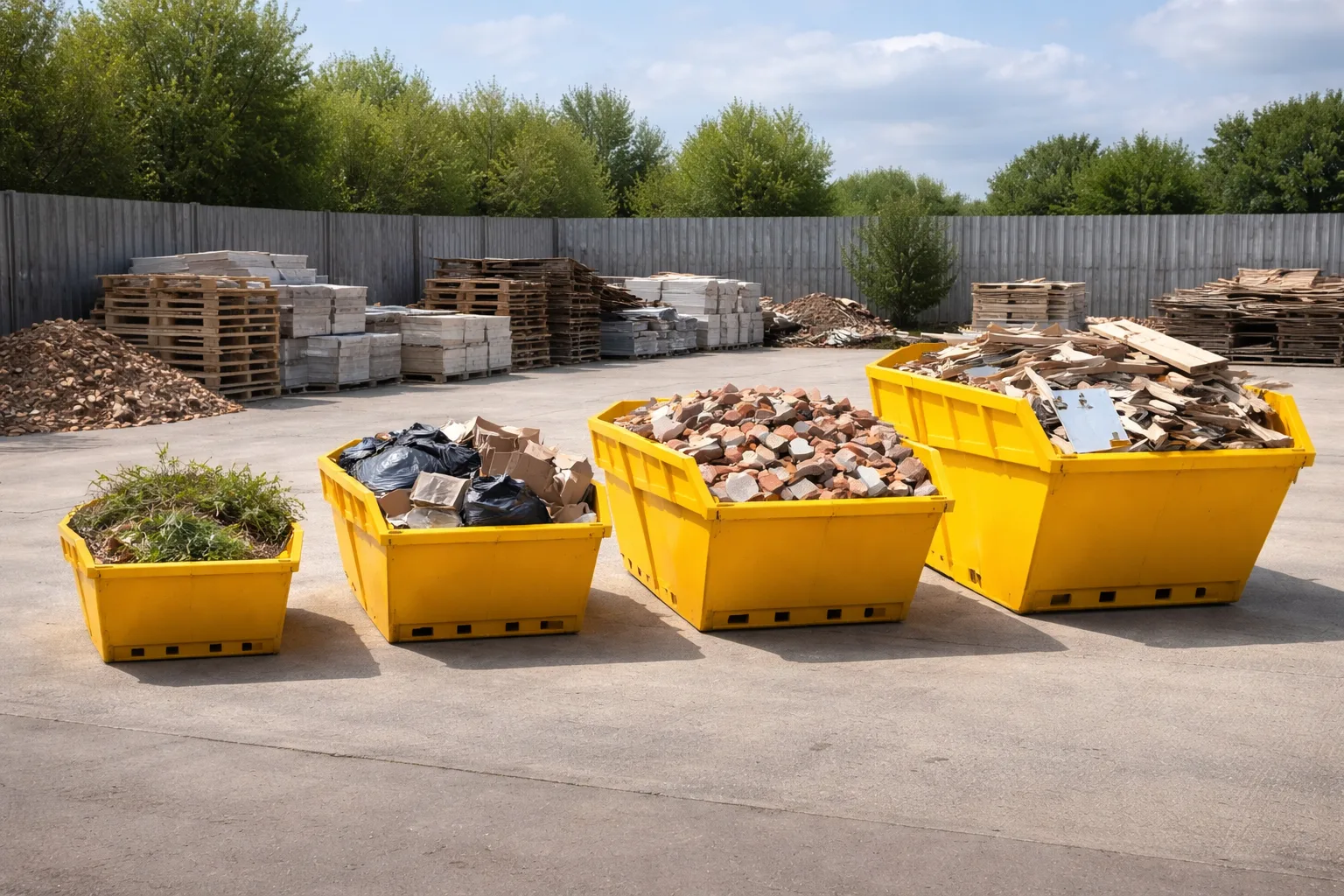
Skip hire follows a structured waste management process that enables households and contractors to manage large volumes of waste in a practical and organised manner. It is widely used for home renovations, garden clearances, and construction projects where standard waste collection services may not be sufficient.
While the overall process is similar to that used throughout the UK, local conditions can influence how a hire is arranged. Factors such as narrow residential streets, limited parking availability, and permit-controlled areas may affect skip placement and delivery logistics. As a result, planning access and selecting a suitable location for the skip are important steps before booking the service.
The full workflow is often explained in more detail through How skip hire works step by step, which breaks down how waste moves from delivery to final disposal in a controlled system.
A typical skip hire process includes:
Choose the appropriate skip size based on the volume and type of waste.
Schedule delivery and confirm a suitable placement location.
Arrange a permit if the skip will be placed on a public road or pavement, where required.
Have the skip delivered and positioned safely on private property or an approved roadside location.
Fill the skip during the hire period using only permitted waste materials.
Arrange collection once the project is complete, after which the waste is transported to licensed facilities for sorting, recycling, and disposal.
This structured approach helps ensure waste is managed responsibly and in compliance with local regulations. It also supports higher recycling rates, reduces the risk of illegal dumping, and improves the overall efficiency of waste removal services across the area.
What Skip Sizes Are Available and How Much Do They Hold?
Skip hire services offer a range of container sizes designed to suit different residential, commercial, and construction projects. From small household clear-outs to large-scale building work, selecting the appropriate skip size helps ensure waste is managed efficiently while avoiding unnecessary costs or capacity issues.
Local conditions can also influence size selection. In areas with limited driveway space, narrow streets, or restricted parking, choosing the right skip from the outset can help prevent access difficulties and reduce the need for additional collections or repositioning.
The most commonly available skip sizes include:
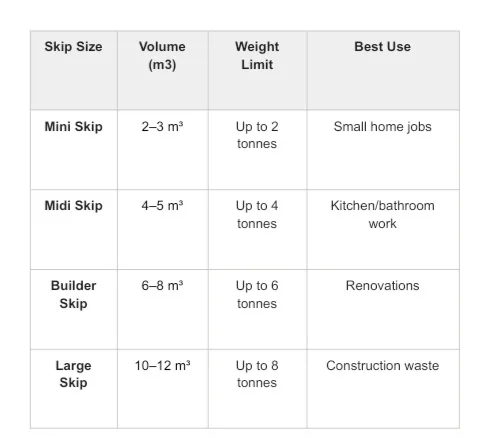
To choose the right skip, we first need to understand how much waste each size can handle. This helps us avoid picking a skip that is too small or paying for space we do not use. When we match the skip size to the job, the whole process becomes more efficient and easier to plan.
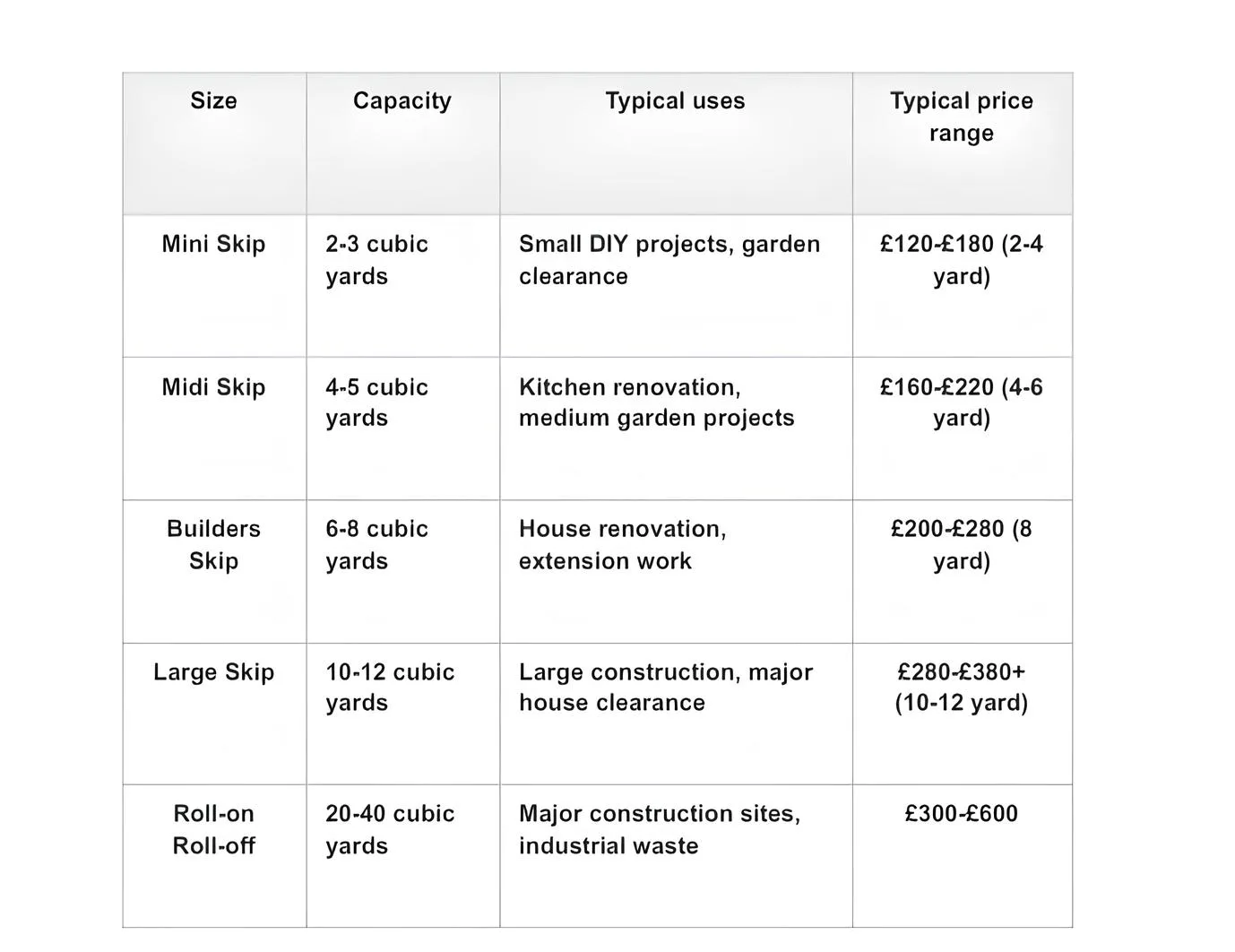
Once the correct size is selected, it becomes easier to understand pricing, as skip hire costs in Bristol are closely linked to skip capacity, waste type, and placement conditions.
How Much Does Skip Hire Cost in Bristol (2026)?
Skip hire prices typically range from £120 to £450+ depending on the size of the skip, the type of waste being disposed of, and the length of the hire period. Actual costs may vary between providers and according to the specific requirements of each project.
Seasonal demand can also affect availability. During periods of increased home improvement, landscaping, and renovation activity, booking slots may fill more quickly, resulting in longer lead times for delivery and collection. Planning ahead can help secure the preferred skip size and hire dates, particularly for larger projects or locations with restricted access.
What Affects Skip Hire Pricing in Bristol?
Skip hire pricing in Bristol is not fixed and can vary depending on several local and operational factors. In a city like Bristol, where demand for home renovations and construction projects is consistently high, costs are shaped by how skips are delivered, managed, and processed after collection.
One key factor in Bristol is the distance between the depot and the delivery location. Areas further from central Bristol or with restricted access may increase transport costs, especially in residential zones with narrow roads or limited parking.
Other important pricing factors in Bristol include:
Landfill tax charges applied to waste sent for disposal
Recycling and processing fees at licensed facilities
Skip size and the total weight of waste collected
Duration of the hire period (short-term vs extended hire)
Type of waste, such as general household waste compared to heavy construction debris
In practical terms, skip hire in Bristol becomes more expensive when the waste requires more processing or when logistics become more complex, such as deliveries in busy or access-restricted areas.
What Is Skip Permit Cost in Bristol?
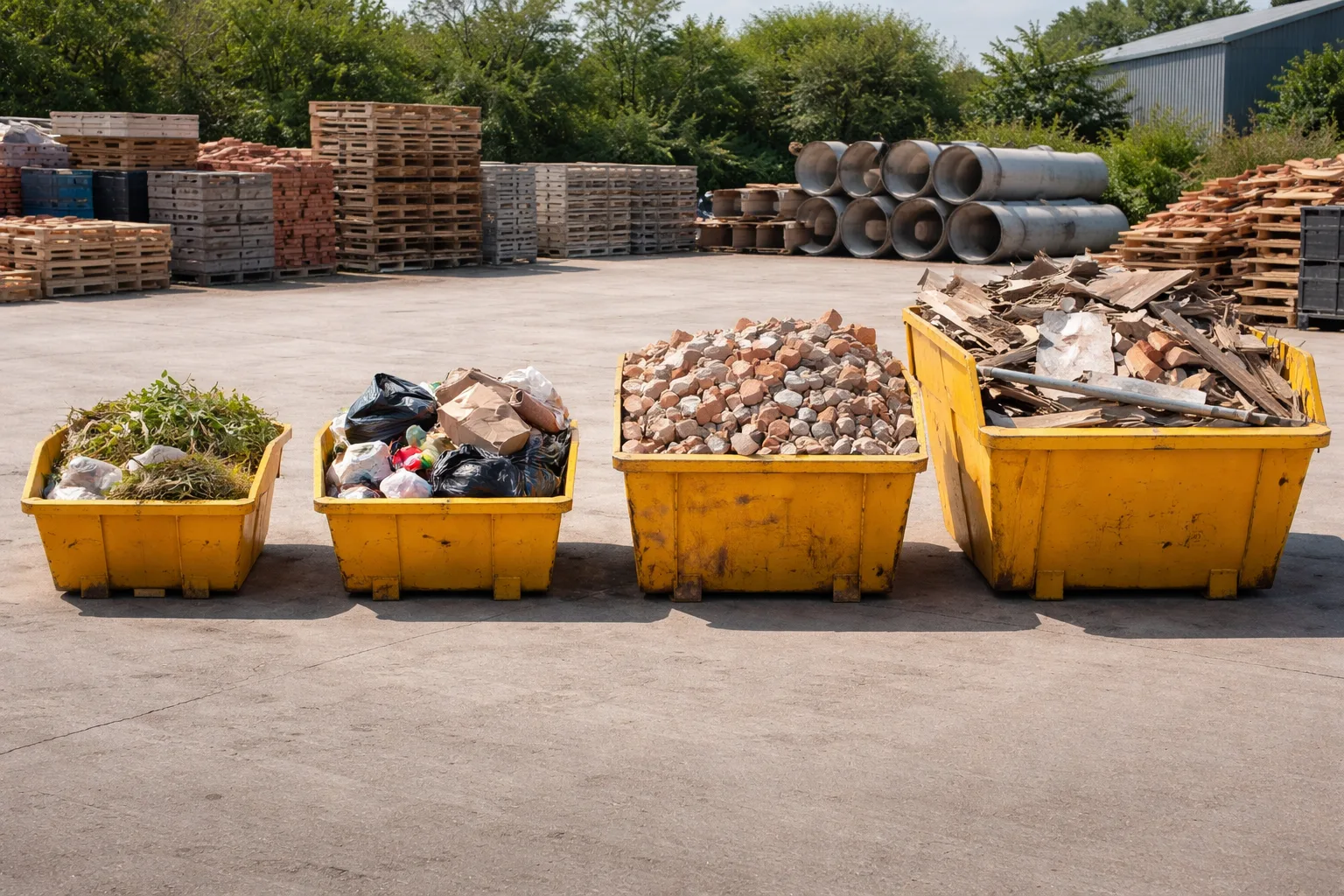
A skip permit is required when a skip is placed on public land, such as a road, pavement, or other council-managed area. This requirement helps ensure public access remains safe and unobstructed, particularly in busy residential neighbourhoods and urban locations.
Permits are issued by the local authority for a specified period and are subject to regulations governing the use of public highways. The applicable charges and conditions depend on the location, duration of placement, and current council requirements.
Key points to consider include:
A permit is generally required when a skip is positioned on a public road, pavement, or other publicly maintained space.
No permit is usually needed when the skip is placed entirely on private property, such as a driveway or private land.
Permit durations and fees vary depending on the hire period and local authority regulations.
Additional charges may apply if the permit needs to be extended beyond the original approval period.
In most cases, the total cost depends on both the permit fee and the length of time the skip remains on public land. Planning the placement location in advance can help minimise additional expenses and simplify the overall hiring process.
When Is a Skip Hire Permit Needed?
A skip hire permit is required when a skip is placed on public land such as roads, pavements, or other council-managed spaces. This is particularly important in densely populated urban areas, where maintaining safe access for pedestrians, vehicles, and emergency services is a priority.
The requirement is in place to ensure that waste collection activities do not obstruct shared spaces or create unnecessary safety risks. It follows broader UK waste management principles that emphasise proper control of waste handling in public areas to protect both health and safety.
In practice, local permit regulations in the city are applied in line with these national guidelines, ensuring that skips placed in public locations are properly managed and do not interfere with everyday movement and accessibility.
As stated in Bristol City Council guidance:
“You must have a permit to put a skip on a public road or highway.” - bristol.gov.uk
This means that any skip placed on public roads or council-controlled land must be approved in advance, while skips positioned on private driveways or private property do not require a permit.
Local skip placement rules are managed by the city council, which ensures that skips are only positioned in approved locations and that public highways remain safe and accessible. Permits are issued prior to delivery to maintain compliance with these safety requirements.
This local approach aligns with broader UK waste management principles aimed at reducing safety risks in shared public spaces. As highlighted in UK government waste disposal guidance:
“Proper control of waste activities is important to protect public health and safety, especially when waste is handled or placed in shared or public areas.” -gov.uk
When a Skip Permit Is Required?:
A skip permit is needed when a skip is placed on public roads, pavements, or other council-managed land. These locations are considered public spaces and therefore require prior approval to ensure safe access and compliance with local regulations.
When a Skip Permit Is Not Required?:
A permit is generally not required when the skip is placed on private property, such as driveways, gardens, or construction sites within private boundaries.
In practice, many residential projects choose to position skips on private driveways where possible. This helps avoid the need for permits and can also reduce potential disruption to pedestrians and traffic in surrounding areas.
How Skip Hire Supports Recycling and the Environment?
Skip hire plays an important role in improving waste management efficiency by providing a structured way for households and contractors to collect and transport large volumes of waste. It is commonly used for home renovations, garden clearances, and construction projects where responsible disposal is essential.
Once collected, waste is transported to licensed sorting facilities where materials can be separated for recycling and recovery instead of being sent directly to landfill. This structured process helps improve recycling rates and supports more sustainable waste handling practices at a local level.
Across the UK, municipal waste recycling rates have remained around 44–45% in recent years, indicating that while progress has been made, a significant proportion of waste still requires improved recovery and recycling solutions. In this context, structured skip hire systems in urban areas help bridge the gap by ensuring waste is collected and processed more efficiently before final disposal.
How Skip Hire Increases Recycling Rates?
Skip hire improves recycling performance by collecting waste in a single container and transporting it to licensed facilities where materials can be properly sorted. This reduces the likelihood of recyclable items being lost within mixed or unmanaged disposal streams.
In practice, this approach means that a higher proportion of materials from households and construction sites can be recovered and reused instead of being treated as general waste.
How Skip Hire Reduces Landfill Use?
Skip hire also helps reduce reliance on landfill by enabling recyclable and recoverable materials to be separated during processing. Once collected, waste is taken to sorting facilities where reusable materials are extracted from mixed waste streams.
This supports a broader shift away from landfill disposal and towards recycling and resource recovery systems across the local area.
Key ways landfill use is reduced:
More materials are separated for recycling
Less mixed waste is sent directly to landfill
Higher recovery rates for reusable materials
How Skip Hire Lowers Transport Emissions?
Skip hire helps reduce transport emissions by minimising the need for multiple small trips to disposal sites. Instead of frequent journeys, waste is collected in bulk and transported in fewer, more efficient loads.
This approach results in:
Fewer vehicle movements to recycling or landfill facilities
Lower fuel consumption per tonne of waste transported
More efficient logistics in waste collection and processing
Why Landfill Tax Matters for Recycling?
Landfill tax plays a key role in shaping waste management practices by making landfill disposal increasingly costly over time. This encourages households, contractors, and waste operators to prioritise recycling and recovery over direct landfill disposal.
After collection, waste is taken to licensed facilities where operators are incentivised to separate recyclable materials more effectively in order to reduce disposal costs and landfill dependency. This economic structure helps support higher recycling rates and more sustainable waste processing overall.
“Landfill tax is designed to reduce the amount of waste sent to landfill and encourage more sustainable waste management practices.” - UK government policy
As a result, higher landfill costs make recycling and material recovery more economically viable, supporting a more sustainable waste system. This also reinforces the role of structured services like skip hire in ensuring waste is handled in a controlled and environmentally responsible way.
What Happens If You Overfill a Skip?
Overfilling a skip is not permitted because it can create safety risks during both collection and transport. Waste must remain within the designated fill line to ensure the skip can be safely covered, lifted, and moved in accordance with operational safety standards.
Skip hire services follow strict guidelines to ensure that waste handling does not create hazards on public roads or during loading operations. If a skip is overfilled, it may become unstable or unsafe to transport, particularly when moving through busy urban areas.
For this reason, customers are advised to load waste evenly and avoid exceeding the maximum fill level to ensure safe and compliant collection.
What Risks Come From Overfilling a Skip?
Overfilling a skip can lead to several practical and safety-related issues. Waste must stay within the designated fill level to ensure it can be safely collected and transported.
Common risks include:
Additional charges from the skip provider if the skip cannot be safely collected
Refusal of collection until excess waste is removed or the load is adjusted
Safety risks during lifting, loading, and transport due to unstable or protruding waste
To avoid these problems, it is important to load waste evenly and ensure the skip does not exceed its maximum fill line before collection.
What Are the Rules for Skip Hire?
Skip hire is regulated under UK waste management legislation to ensure that all waste is handled, transported, and disposed of safely and legally. These rules apply to both residential and commercial users and are designed to prevent improper waste handling and illegal dumping.
Operators must comply with national requirements, including holding the appropriate waste carrier licences and ensuring all collected waste is taken to approved and licensed facilities for processing. This helps maintain accountability throughout the waste disposal chain.
In practice, these regulations ensure that waste is managed within a controlled system, reducing environmental risks and supporting responsible recycling and disposal methods.
What Laws and Rules Apply to Skip Hire?
Skip hire is governed by a range of UK waste management regulations designed to ensure that waste is handled responsibly, transported safely, and disposed of through approved channels.
Key legal requirements include:
Controlled waste handling regulations that define how different types of waste must be managed
National recycling and environmental targets that encourage higher recovery rates and reduced landfill use
Requirements for licensed waste carrier operators to ensure all waste transport is properly authorised
Penalties for illegal waste dumping (fly-tipping), which can result in significant fines or legal action
Together, these rules help ensure that waste collection and disposal operate within a regulated system that prioritises safety, environmental protection, and accountability.
What Happens If Waste Is Not Managed Properly?
Improper waste handling can lead to serious legal and environmental consequences. Illegal dumping (fly-tipping) is treated as a criminal offence in the UK and is actively enforced by local authorities.
When waste is not disposed of correctly, it can result in environmental pollution, public health risks, and significant cleanup costs for local communities. It can also place additional pressure on local services responsible for maintaining public spaces and managing waste removal.
For this reason, proper waste disposal through licensed and regulated systems is essential to ensure compliance, safety, and environmental protection.
What Penalties Apply for Illegal Dumping?
Illegal dumping (fly-tipping) is treated as a serious offence under UK law and can result in a range of penalties depending on the severity of the case.
Common enforcement actions include:
Unlimited fines for serious offences, depending on the scale and impact of the incident
Fixed penalty notices issued by authorised enforcement officers for smaller violations
Vehicle seizure in more serious or repeated cases where illegal waste activity is proven
These penalties are designed to deter improper waste disposal and encourage the use of licensed and regulated waste management services.
How Insurance and Liability Are Handled?
Skip hire services typically include insurance coverage to manage operational risks during delivery, placement, collection, and transport of skips. This is particularly important in busy urban environments where skips may be positioned on streets, driveways, or active construction sites.
In practice, insurance helps cover unexpected incidents that may occur during normal service operations. However, liability is generally shared between the provider and the customer. The provider is responsible for operational safety, while the customer must follow proper loading guidelines, avoid overfilling, and ensure that only permitted waste is placed in the skip.
By following these responsibilities, both parties help ensure that skip use remains safe, compliant, and efficient throughout the hire period.
What Does Skip Hire Insurance Typically Cover?
Skip hire insurance is designed to cover common operational risks that may occur during the delivery, placement, collection, and transport of skips. This is particularly relevant in busy residential and construction areas where skips may be positioned in public or semi-public spaces.
Typical coverage includes:
Damage that may occur during delivery or collection
Public liability, especially when a skip is placed on a public road under a permit
Transport-related incidents during movement of the skip and disposal of waste
While insurance provides protection against operational risks, correct usage of the skip remains essential. Improper loading, such as overfilling or placing restricted materials inside the skip, can still result in additional charges, safety concerns, or refusal of collection.
What Are the Common Uses for Skip Hire in Bristol?
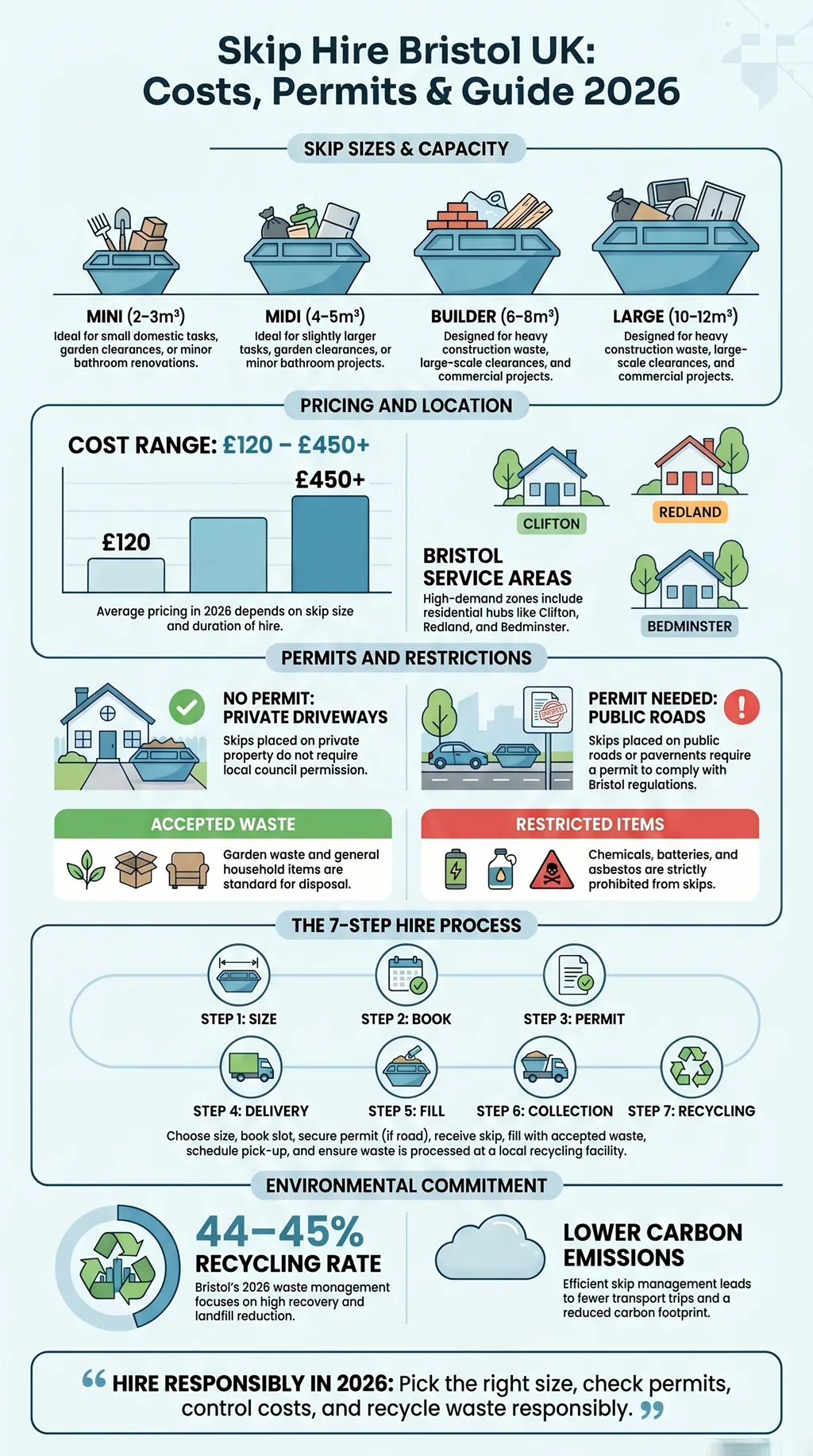
Skip hire is used across a wide range of residential, commercial, and construction projects where waste accumulates faster than standard collection services can manage. It provides a practical and efficient solution for handling large volumes of waste in a single, controlled container.
This service is particularly popular in areas with ongoing property improvements, redevelopment work, and garden upgrades, making it suitable for both small domestic tasks and larger building projects.
Where is skip hire most commonly used?
Home renovation and house clearance projects
Garden waste removal from residential properties
Construction and demolition work on building sites
Office and commercial property clear-outs
General rubbish removal projects in urban areas
In all of these cases, skip hire helps keep waste contained in one place until it can be safely collected and transported to licensed facilities for sorting, recycling, or disposal.
FAQ
A skip is usually kept for around 7–14 days, depending on booking terms, project size, and local availability. In some cases, extensions may be possible if arranged in advance with the provider.
No. Certain materials are restricted due to safety and environmental regulations. Hazardous items such as chemicals, batteries, asbestos, and similar waste cannot be placed in a skip.
The most commonly used option is the 6-yard builder skip. It is widely used for home renovations, kitchen and bathroom refurbishments, and medium-sized construction projects.
No. A skip must remain in its approved location once delivered. Moving it can create safety risks and may also cause compliance issues, especially when a permit has been issued for a specific placement.
Yes, same-day skip hire is sometimes available depending on demand, location, and how early the booking is made with the provider.
How Do You Choose the Right Skip for Your Project?
Skip hire provides a straightforward way to manage waste from home improvements, garden clearances, and construction projects without the need for repeated trips to disposal sites. It helps keep waste organised while supporting compliant disposal practices under UK regulations.
When the appropriate skip size is selected and permit requirements are followed where necessary, the process becomes more efficient and easier to manage. It also ensures that waste is handled through licensed waste carriers and processed at approved facilities, improving both safety and environmental outcomes.
Ready to arrange skip hire? Compare verified local providers and get direct quotes without brokers or hidden fees.
Find Skip Hire Companies Near You
References
Related Articles
Filed under:
Skip Hire