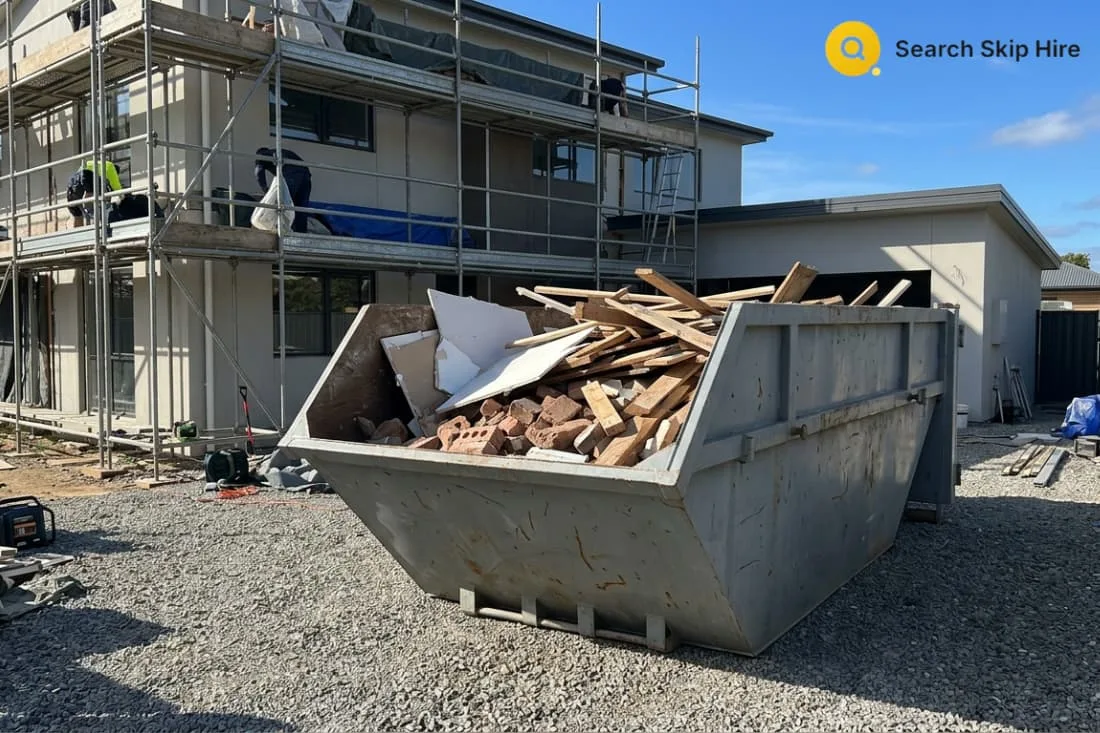
Long term skip hire is a flexible waste solution where skips stay on-site for weeks or months. It is good for phased renovations, commercial projects, and ongoing work where waste builds up slowly.
The typical UK hire period is one to two weeks, after which weekly extra charges apply. Costs depend on skip size, location, and whether a road permit is needed.
To avoid unexpected fees and delays, you need to understand extra charges, permit renewals, and allowed waste. Keep reading to learn how to plan your long term skip hire.
Long-Term Skip Hire: The Smart Planning Basics
These key points explain how long-term skip hire works best when projects are phased, budgets are planned properly, and permits are handled early.
Best for gradual waste buildup: Long-term hire suits renovations and phased projects where waste accumulates slowly over time.
Costs grow beyond the initial period: Weekly extension fees can add up, so confirm all extra charges in writing before booking.
Permits need forward planning: Skips placed on public roads often require council permits and possible renewals for extended hire periods.
Understanding Long Term Skip Hire and How It Works
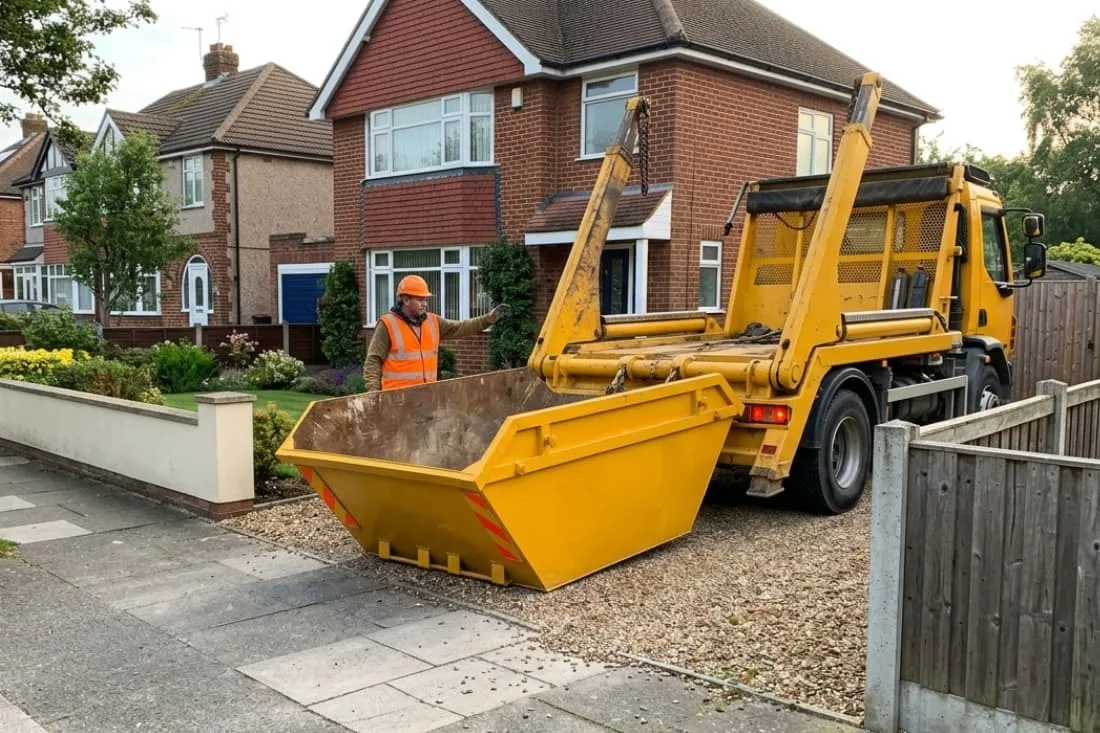
Long term skip hire extends beyond the normal UK skip rental period. Providers usually offer a standard hire window of one or two weeks.
After that time, weekly extension charges are added to the cost. This arrangement is useful for projects where the timeline is uncertain or waste accumulates slowly.
The process involves a few clear steps. You select a skip size and arrange delivery to your property or site. You fill the skip with permitted waste over the agreed period. When you are finished, or when the skip is full, you book a collection.
For long term hire, the key difference is that the hire period is extended, and the cost increases week by week after the initial period. This allows for flexible scheduling around project phases.
When Does Long Term Skip Hire Make Sense?
Long term skip hire makes sense for specific types of projects where waste management needs to be continuous. It is not just about having a skip for a long time, it is about matching the service to the project's rhythm. Here are some typical situations where it is a good fit.
Phased house renovations where work happens room by room over several weeks.
Commercial office fit-outs or shop refits that have unpredictable waste generation often rely on commercial & contractor skip hire arrangements to keep waste removal consistent throughout the project.
Large garden redesigns or landscaping projects that produce waste in stages.
Landlord property refurbishments or ongoing site maintenance for business premises.
Best Skip Sizes for Long Term Projects
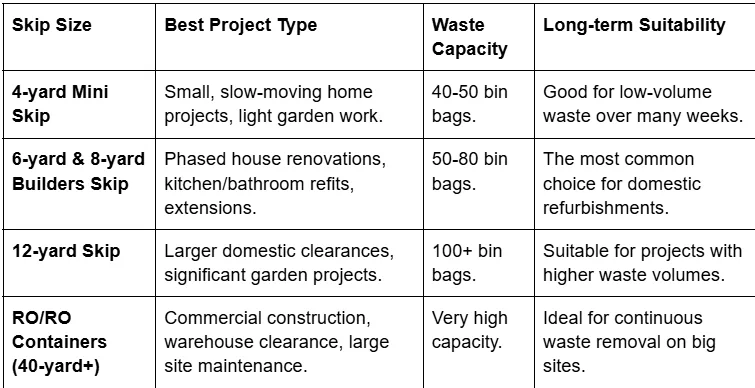
The right skip size for a long term project depends on the total waste volume, the project duration, and the space available on site. Choosing correctly helps you avoid the need for multiple collections or running out of space.
For smaller, ongoing household jobs, a mini or midi skip may be enough. For larger renovation or commercial work, builders skips or roll-on roll-off containers are often necessary.
The table below shows common skip sizes and how they suit different long term projects.
When planning a long term project, you face a choice between hiring a slightly larger skip upfront or extending the hire of a smaller one later. The decision impacts your overall cost and site logistics.
Choosing a larger skip early can often save money compared to multiple extensions or extra collections. It reduces the risk of overfilling and ensures you have enough capacity from the start.
This approach is particularly sensible for commercial refurbishments where waste volume is hard to predict, especially on skip hire for contractors projects that run through multiple construction phases.
Costs of Long Term Skip Hire
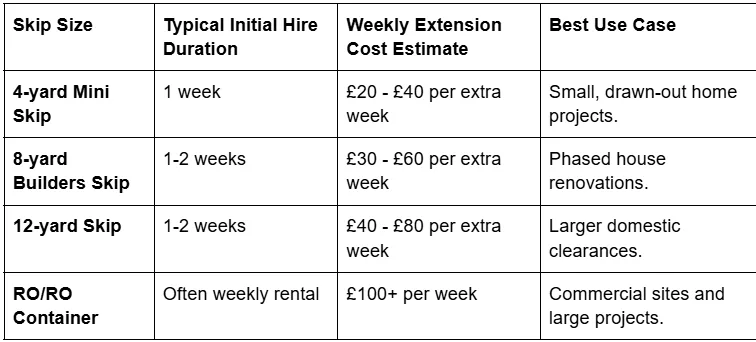
Long term skip hire costs increase over time because providers charge weekly extension fees after the standard hire period ends.
The initial price covers the first week or two, and then a weekly rate applies for each additional week the skip remains on site.
The final price depends on the skip size, your location, whether a permit is needed, and the type of waste.
The table below gives a guide to how pricing typically works for extended hire periods.
What Causes Long Term Skip Hire Costs to Increase?
Several common issues can cause the cost of a long term skip hire to rise beyond your initial budget. Being aware of these helps you manage your project finances.
Project Overruns: Unplanned weekly extensions due to delays.
Overfilling: Filling the skip above the rim leads to refused collection and extra fees.
Permit Expiry: For roadside skips, permits may need renewal, which involves a fee from the local council.
Unsuitable Waste: Placing hazardous waste in the skip creates special disposal charges and can delay collection.
Permit Requirements for Long Term Skip Hire
A permit is required if a skip is placed on a public road or pavement. If it's on private land like a driveway, you usually don't need one. The rules are set by your local council, including in areas like Berkshire.
As noted by Reading Borough Council
"Skip licences can only be issued within the Reading Borough Council boundary... If the skip is required to be placed on the highway for longer than 4 weeks, a renewal application will need to be made." - Reading Borough Council
For long term hire, permit duration is key. Permits are issued for a fixed period. If your project overruns, you may need to pay for an extension. Councils also require safety measures like lights and cones for roadside skips at night.
A delayed collection can cause problems. The skip blocks site access, weekly extension charges still apply, and it risks attracting illegal fly-tipping.
If this happens, contact the hire company immediately to rearrange. If they are unresponsive, remind them of their duty as a licensed waste carrier. In serious cases, you can contact the Environment Agency.
Important Waste Restrictions for Long Term Hire
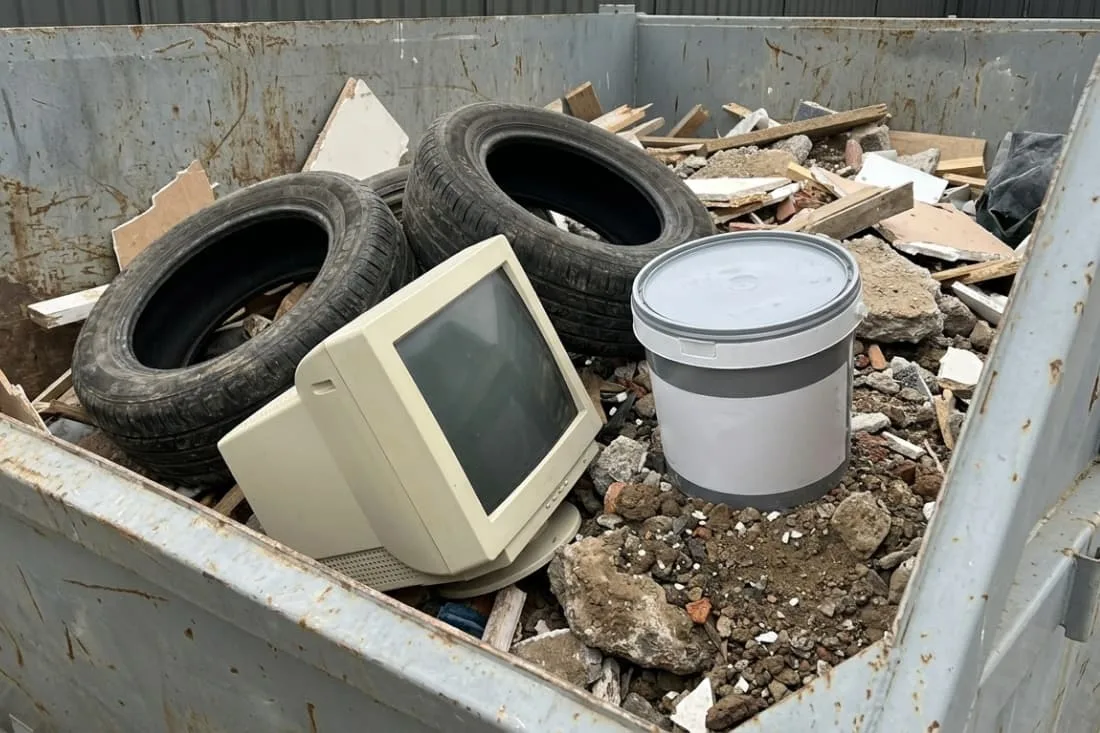
Long term skips usually accept mixed general construction and domestic waste. However, there are important restrictions to follow to avoid extra charges and collection problems. Hazardous materials are typically prohibited because they require special disposal processes.
Mixing restricted items with general waste can lead to refused collection or significant surcharges on your final bill.
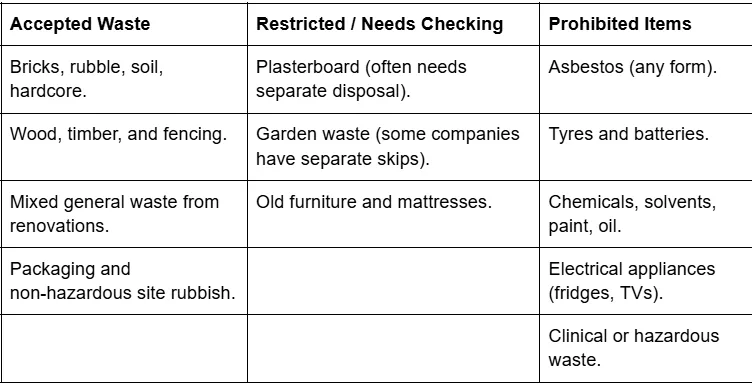
The table below clarifies what is generally accepted, what is restricted, and what is completely prohibited.
Why Do Commercial Sites Worry About Skip Contamination?
On commercial sites, skip contamination is a significant concern for managers. A skip that is left on site for weeks, especially in a publicly accessible area, can attract fly-tipping. This means people may illegally dump their own waste into your skip.
Insights from Peterborough City Council indicate
"Your waste is legally your responsibility until it is disposed of correctly. If your waste is found fly-tipped, you could be fined or prosecuted." - Peterborough City Council
This contamination increases the volume and type of waste, which can raise disposal costs. It also introduces prohibited items that you may be liable for. Managing skip placement and security, even for long term hires, is an important part of site risk management.
How Long Term Skip Hire Supports Renovation and Construction Projects
Long term skips help renovation and construction projects stay organised and efficient. They provide a dedicated, continuous storage point for waste without requiring repeated trips to recycling centres or transfer stations.
Benefits of Long Term Skip Hire
Saves Time and Cost: Reduces labour time and transport costs.
Keeps Site Clean and Safe: Contains debris in one place rather than scattered around.
Flexible Timing: Allows you to match waste removal with project phases, useful for unpredictable refurbishments and multiple skips for large projects where different waste streams need separate handling.
Common Long Term Skip Hire Mistakes
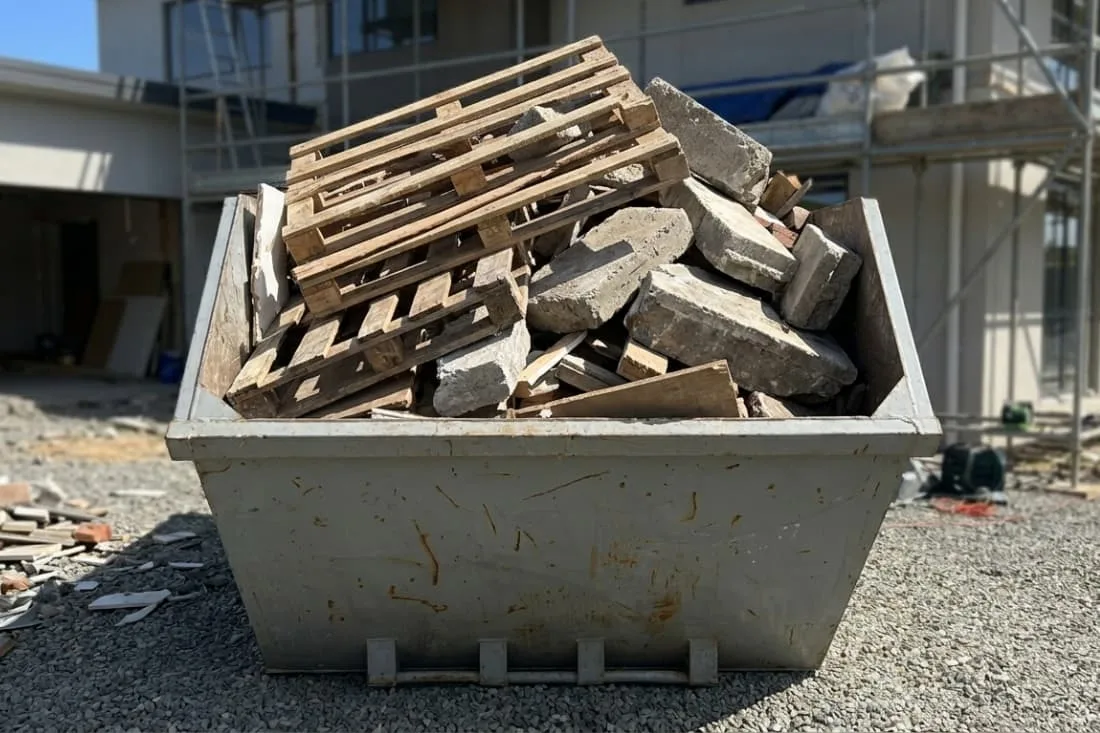
The biggest mistakes in long term skip hire often come from poor planning and a lack of clear agreements.
Common Long Term Skip Hire Mistakes
Underestimating Project Length: Leads to unexpected weekly extension fees that blow the budget.
Choosing the Wrong Skip Size: Means you might run out of space or pay for capacity you do not need.
Ignoring Permit Rules: For roadside placement, this can result in fines and forced removal of the skip.
Not Getting Terms in Writing: Failing to confirm extension pricing and collection terms with the hire company can lead to disputes and unexpected charges later.
How to Choose the Best Long Term Skip Hire Setup
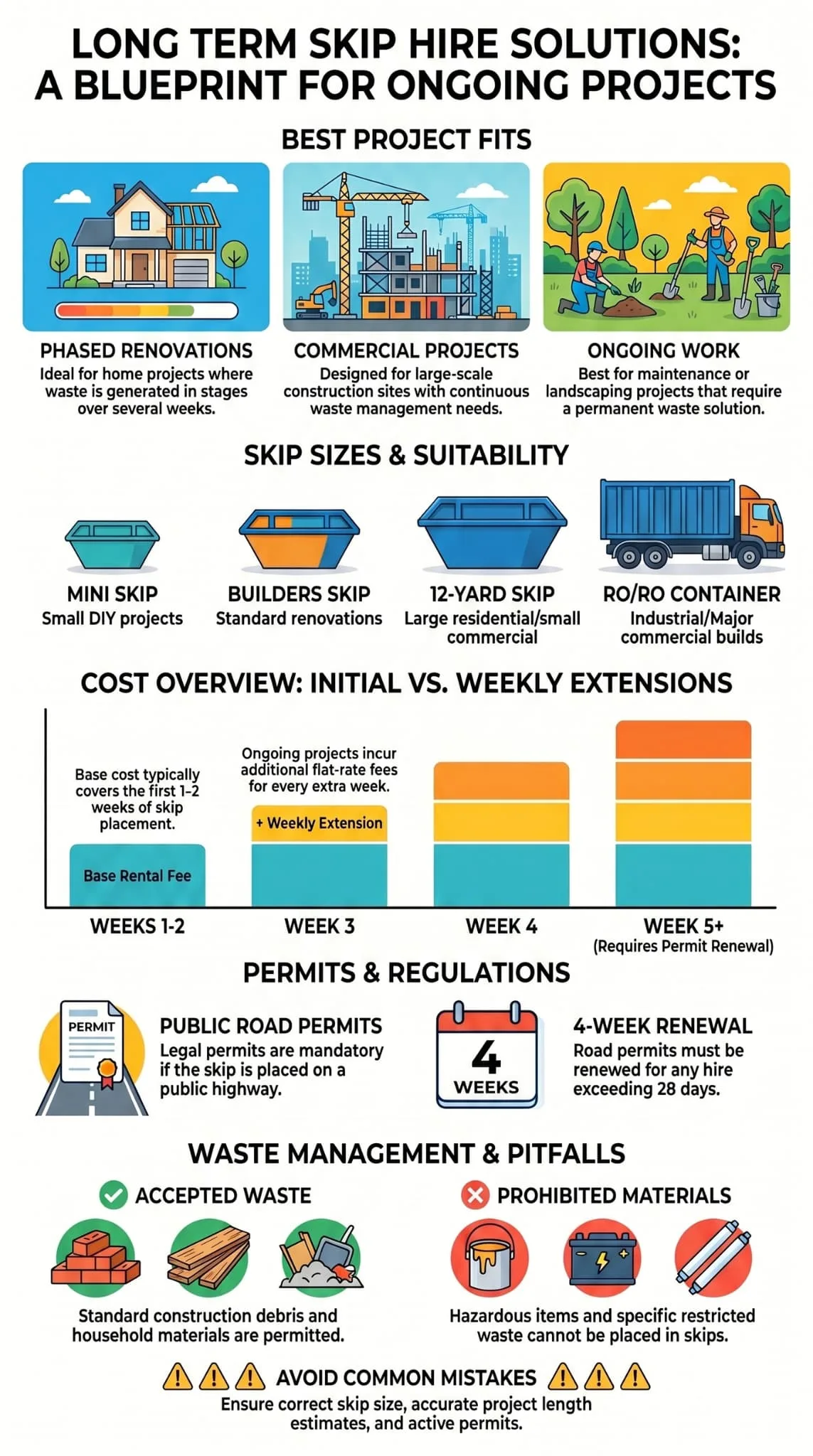
Choosing the best setup for a long term project involves balancing a few key factors. You need to consider the estimated waste volume, the likely project timeline, and the type of waste being generated. You also must think about site access and whether a permit is needed.
Steps for Planning a Long Term Skip Hire
Forecast Waste: Estimate your waste volume as accurately as possible.
Select Skip Size: Choose a skip that matches this volume, perhaps slightly larger to be safe.
Plan Site Access: Ensure the delivery lorry can reach the spot and the skip will not block other work.
Discuss Terms: Confirm extension costs and collection policies with the provider before the skip is delivered.
FAQ
Long term skip hire is useful for home renovations, refurbishment project work, demolition works, and ongoing construction waste removal. Many commercial customers and construction companies choose long term skip hire because waste materials build up gradually over weeks or months. Large skip hire, commercial skips, and Roll on Roll off skips are commonly used for factory waste, site clearance, and waste management on building & industrial firms projects.
Different skip sizes suit different waste management needs. A mini skip or Cubic Yard Mini Skip is often suitable for garden clean ups, bin bags, and household waste management. A 6-yard skip or 10-yard skip is usually better for full house renovations and construction waste. Industrial skip hire projects may require Roro skips, roll-on skips, or a 40 yard unit for larger waste volumes.
You may need a skip permit from the local council if the skip is placed on public property instead of private land. Local authorities usually apply rules about safety equipment, hazard warning lights, and skip placement distances. Permit issues can delay collection work or skip exchange services, so many waste carriers recommend arranging permits early during site clearance planning and waste removal services scheduling.
Most skip hire service providers do not allow hazardous waste such as Gas Bottles, chemicals, batteries, or certain hazardous materials inside standard skips. Paint Tins may also have disposal restrictions depending on local waste regulations and recycling facilities. Many waste management services separate Recyclable waste, PVC Cable, Scrap Metal Division materials, steel alloys, and auto bundles before environmentally recycling or transfer centre processing begins.
Businesses often reduce waste disposal costs by using full waste management plans, regular collection service schedules, and proper waste processing management. Separating household waste, factory waste, and construction waste can improve waste recycling rates and reduce Environmental impact. Many companies also use contract-based waste management, waste transfer stations, and environmentally friendly recycling services to support environmental conservation and improve operational efficiency.
Build a Waste Plan That Lasts the Full Project
Long term skip hire is about more than convenience, it keeps your project organized, compliant, and financially predictable over weeks or months of work. The right skip size, permit planning, and understanding of extension costs help prevent delays and unnecessary overruns.
Poor planning can quietly increase costs and disrupt your site. But clear communication and a reliable provider create a smoother, more efficient project from beginning to end.
Find the right long term solution with Search Skip Hire. Start your search to compare verified local providers across the UK and get quotes tailored to your timeline.
References
Related Articles
Filed under:
Commercial Skip Hire