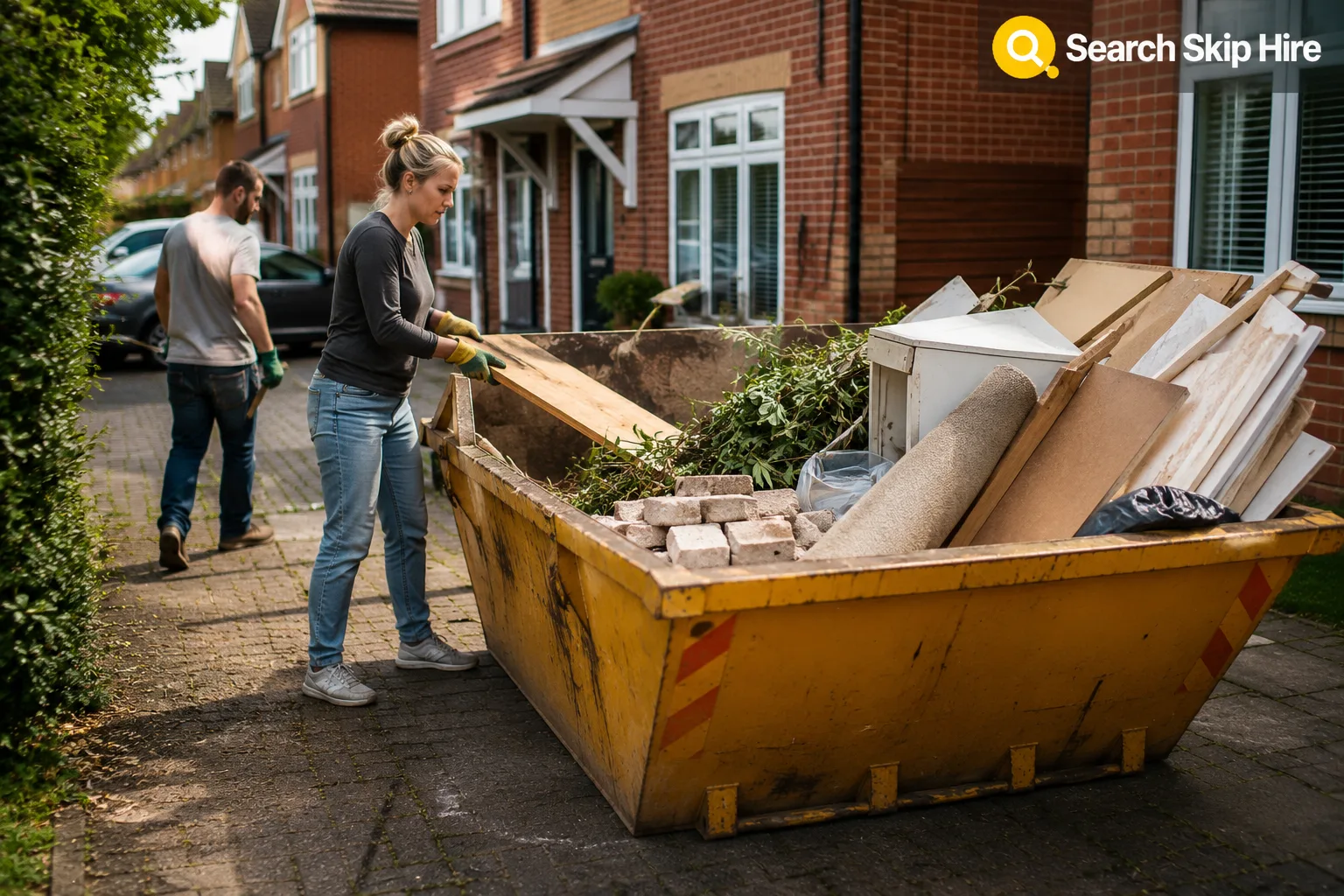
Domestic skip hire is a simple way to manage household waste from home projects like cleaning, renovations, garden work, and moving. It allows us to place a skip outside our home, fill it over time, and have it collected when we are done.
This helps us handle waste that is too large or too heavy for regular bins, especially during busy home improvements.
We use domestic skip hire because it keeps waste in one place and makes disposal easier to manage. It also helps us stay organized during projects that produce mixed or bulky rubbish. In this guide, we will walk through how skip hire works, its common use cases, skip sizes, rules, and practical tips so we can choose the right option without confusion.
If we are planning any home project and want a simple waste solution, it is helpful to understand how skip hire fits into everyday use, so keep reading.
What We Should Know About Domestic Skip Hire
Before going into details, here are the main points we should understand about domestic skip hire and how it is used in real home situations.
We should keep these points in mind because they help us plan better and avoid issues like overfilling, extra costs, or choosing the wrong skip size.
Domestic skip hire is used for home clear-outs, renovations, garden waste, and bulky item removal.
Choosing the right skip size helps us manage cost and space more efficiently.
Responsible waste handling and recycling are important parts of modern skip hire in the UK.
What Is Domestic Skip Hire and How It Works
Domestic skip hire is a waste service where a skip is delivered to our home, filled with waste, and collected once it is full. It is commonly used when we are doing home projects that produce more rubbish than usual.
We use this service to avoid repeated trips to disposal sites and to keep our home environment clean while work is ongoing.
Definition of residential skip hire
Residential skip hire focuses on household waste only. It is different from commercial skip hire because it supports smaller-scale jobs like home cleaning, DIY work, and small renovations.
We usually use it for general rubbish, garden waste, and renovation debris. It is not suitable for hazardous or industrial waste.
How skip delivery and collection works
The process is simple and designed to be convenient for home users.
The skip is delivered to our home and placed on a driveway or private land
We fill it during our project over a set rental period
The skip is collected and taken for sorting and disposal
In areas like Essex, Kent, or Hampshire, local rules may apply if the skip needs to be placed on a public road, where a permit is required.
Types of waste accepted in domestic skips
Domestic skips are meant for non-hazardous waste only. We should always check what is allowed before filling the skip.
We commonly dispose of:
General household rubbish
Mixed renovation waste
Garden waste like soil and branches
We must avoid hazardous items such as chemicals, asbestos, and certain electrical waste.
As noted by GOV.UK:
“Waste is generally considered hazardous if it (or the material or substances it contains) are harmful to humans or the environment. Examples of hazardous waste include, asbestos
chemicals, such as brake fluid or print toner, batteries, solvents, pesticides
oils (except edible ones), such as car oil
equipment containing ozone depleting substances, like fridges hazardous waste containers" – GOV.UK
Common Domestic Skip Hire Use Cases in Homes
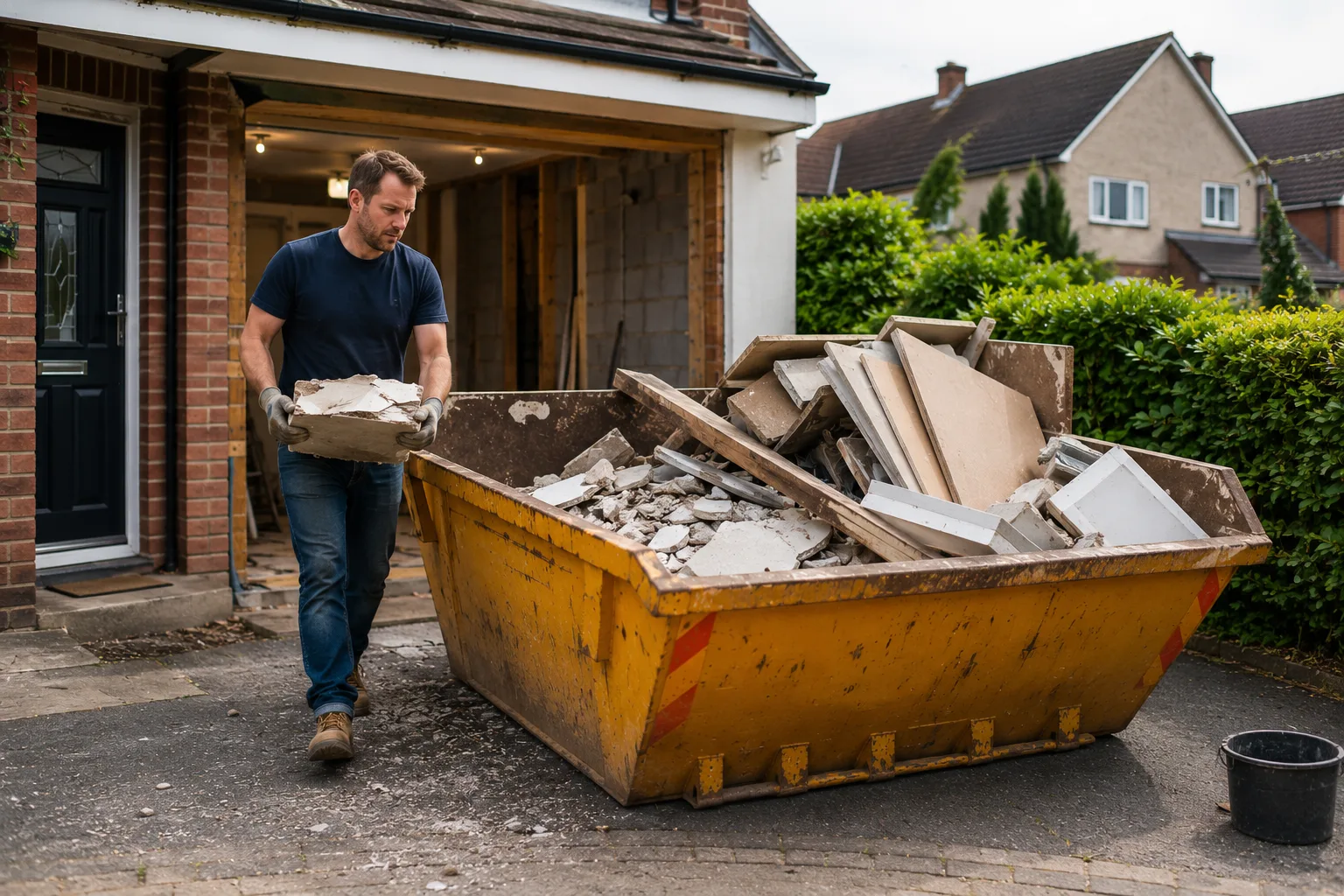
Domestic skip hire is used in many everyday situations where waste builds up quickly. It helps us manage large volumes without stress or disruption.
We often use skips during home projects, life changes, or seasonal cleaning.
Home clear out and decluttering projects
Home decluttering is one of the most common reasons for skip hire. It helps us remove unused items and create more space.
We often use skips for:
Garage clearance skip
Loft clearance skip
Attic clearance waste
Moving house waste removal
Moving home often creates unwanted waste that we do not want to take with us. Skip hire helps us clear everything quickly.
We often manage:
Post-tenancy clear out
End of lease waste
Temporary waste during moving
Bereavement and probate clearance
In sensitive situations, waste removal needs to be handled carefully and at a steady pace.
We use skip hire for:
Probate house clearance
Bereavement clearance
Estate sorting and home clearance
Skip Hire for Home Renovation and DIY Projects
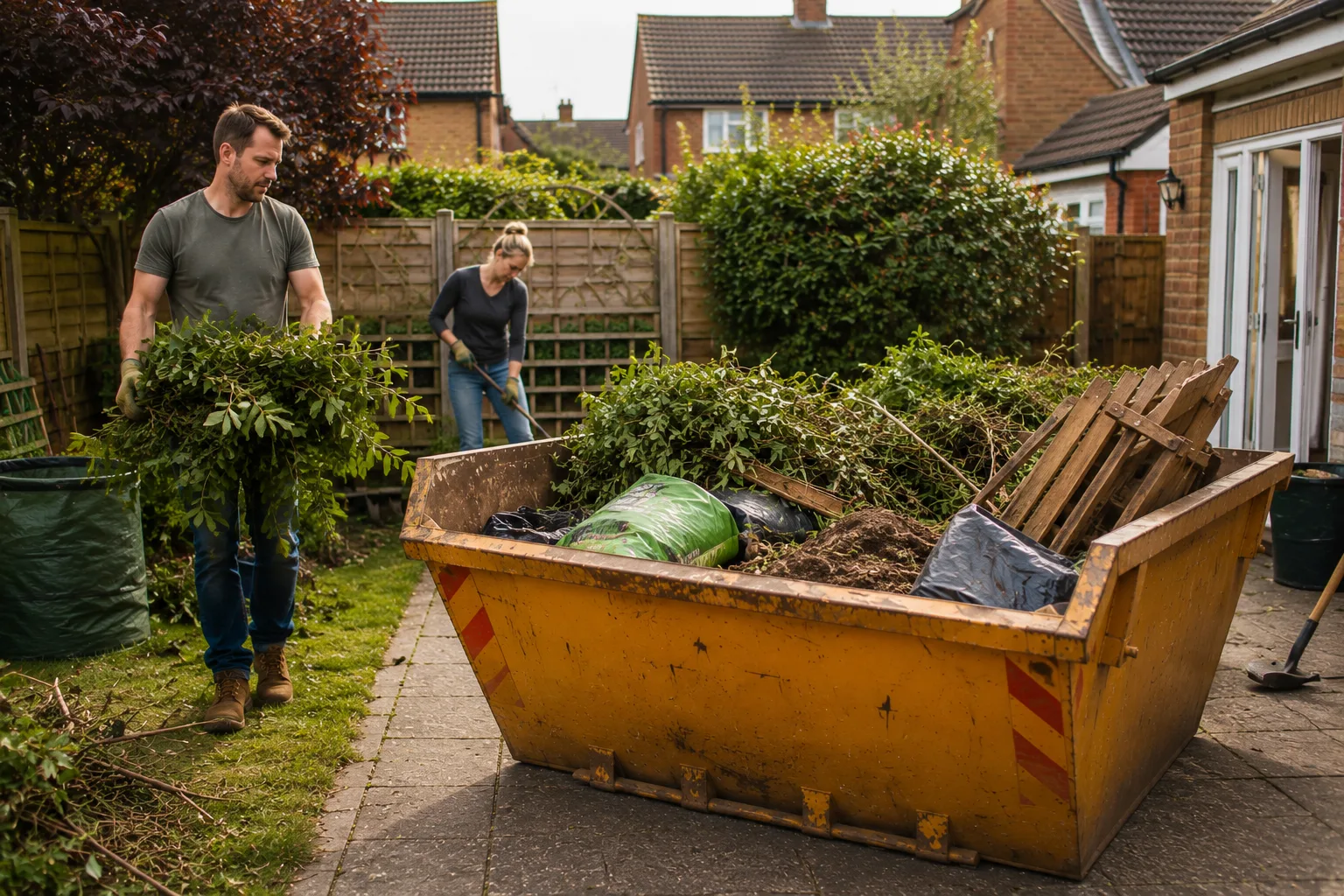
Home improvement work often creates heavy and mixed waste that needs proper disposal. Skip hire helps us manage this safely and keep the workspace clear.
We use skips to support ongoing work without clutter slowing us down.
General home improvement waste
Skip hire for home renovation waste
Renovation projects produce materials like wood, tiles, and rubble that need structured disposal.
We typically handle:
Home renovation waste
Builders waste from home projects
Renovation debris removal
Garden and Outdoor Waste Skip Hire
Skip hire for garden clearance UK
Garden work often produces large amounts of organic waste that builds up quickly during seasonal maintenance.
We use skips to keep outdoor spaces clean and manageable.
We typically dispose of:
Green waste like branches and leaves
Soil and hedge cuttings
General garden clearance waste
Household Furniture and Bulky Waste Disposal
Skip hire for house clearance
Large household items are often difficult to move or dispose of through regular bins. Skip hire gives us a simple way to handle them.
We use skips when clearing out old or broken items from the home.
We often dispose of:
Furniture like sofas and tables
Mattresses and bulky items
Old household appliances
Skip Hire for Loft and Storage Areas
Skip hire for loft clearance
Lofts and storage areas often contain years of unused items that build up over time. Clearing them can create a large amount of waste quickly.
We use skips for:
Loft clearance waste
Old boxes and storage items
General attic cleaning projects
Skip Hire for DIY Projects
Skip hire for DIY projects
DIY work may seem small, but it often creates more waste than expected. Skip hire helps us manage materials safely and efficiently.
We commonly use skips for:
Bricks and rubble from small builds
Wood, plaster, and flooring waste
General DIY project debris
Skip Sizes for Domestic Use
Choosing the right skip size helps us avoid waste overflow or unused space. It depends on how big the project is.
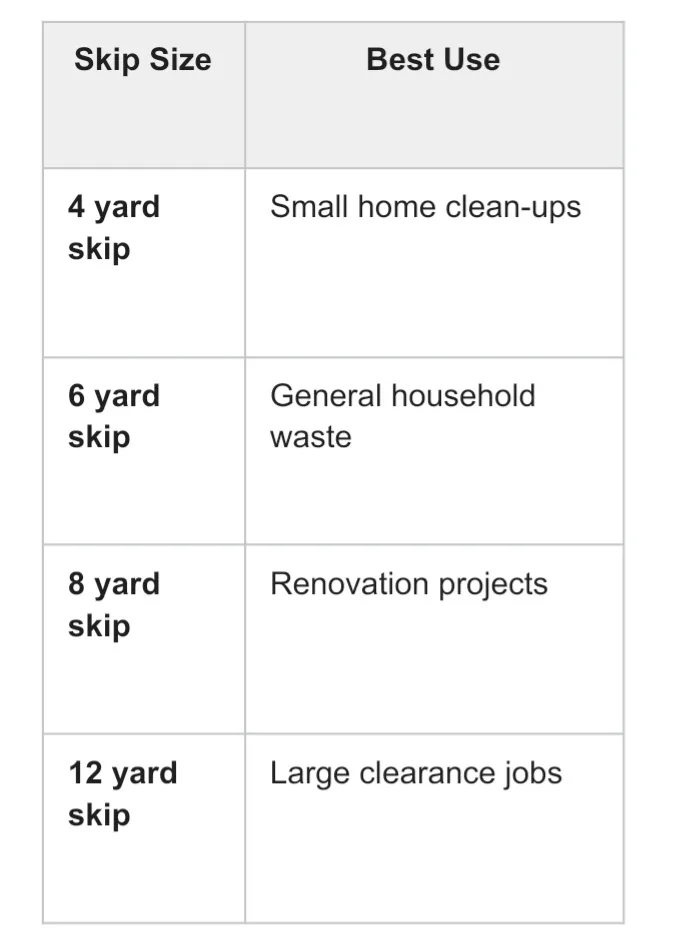
We should always consider both space and weight before selecting a skip.
Skip Hire Costs, Permits, and Regulations in the UK
Skip hire costs vary depending on size, location, and type of waste. We also need to follow local rules when placing a skip outside our property.
We always check requirements before booking, especially for public road placement.
Skip size and rental duration affect pricing
Waste type can influence overall cost
Local council permits may be required
In areas like Bristol City, Nottinghamshire, or Buckinghamshire, permit rules may apply if the skip is placed on public land.
Environmental Impact and Recycling in Skip Hire
Skip hire supports recycling when waste is sorted correctly. Many materials can be reused instead of going to landfill.
We help reduce waste impact by separating materials where possible.
Research from Waste Management & Research (PMC) shows:
“Better waste separation and recycling practices can help reduce landfill pressure and improve long-term waste management outcomes.“ – PMC (Waste Management & Research)
Recycling waste management practices
Waste segregation before disposal
Reducing landfill use through sorting
Practical Tips for Using Domestic Skips
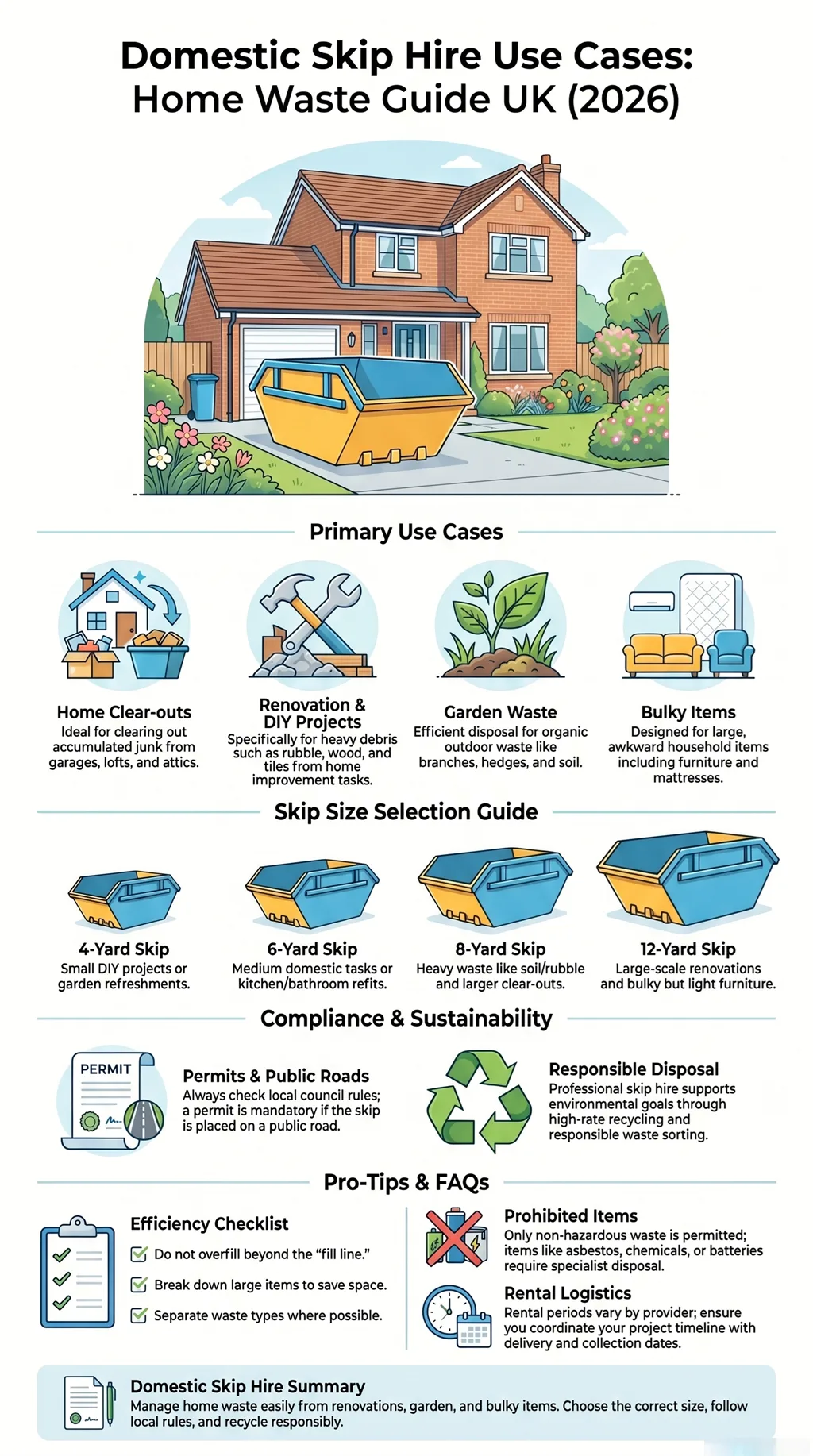
Using a skip properly helps us avoid extra costs and makes the process smoother.
We should always plan how we load waste before starting.
Break down large items before loading
Do not overfill the skip
Separate waste types when possible
FAQ
We can put general household waste, garden waste, and renovation materials, as long as they are non-hazardous.
We only need a permit if the skip is placed on a public road or council land.
Most skips are kept for a set rental period, but extensions may be available depending on the provider.
Waste is taken to a sorting facility where it is separated for recycling or disposal.
We choose based on the type and amount of waste. Small projects use 4–6 yard skips, while larger work may need 8–12 yard skips.
Conclusion: Domestic Skip Hire Use Cases for Simple Home Waste Management
Domestic skip hire gives us a practical way to manage waste from home projects like renovations, garden work, and house clear-outs. It helps us stay organized and handle larger amounts of waste without stress or disruption.
We can rely on skip hire when we need a simple and structured way to deal with mixed or bulky materials. It also supports responsible disposal and recycling across the UK. If we are planning a project and need a straightforward waste solution, we can explore our skip hire options at Search Skip Hire
References
Related Articles
https://www.searchskiphire.co.uk/blog/domestic-skip-hire/skip-hire-for-home-renovation-waste
https://www.searchskiphire.co.uk/blog/domestic-skip-hire/skip-hire-for-garden-clearance-uk
https://www.searchskiphire.co.uk/blog/domestic-skip-hire/skip-hire-for-house-clearance
https://www.searchskiphire.co.uk/blog/domestic-skip-hire/skip-hire-for-loft-clearance
https://www.searchskiphire.co.uk/blog/domestic-skip-hire/skip-hire-for-diy-projects
Filed under:
Domestic Skip Hire