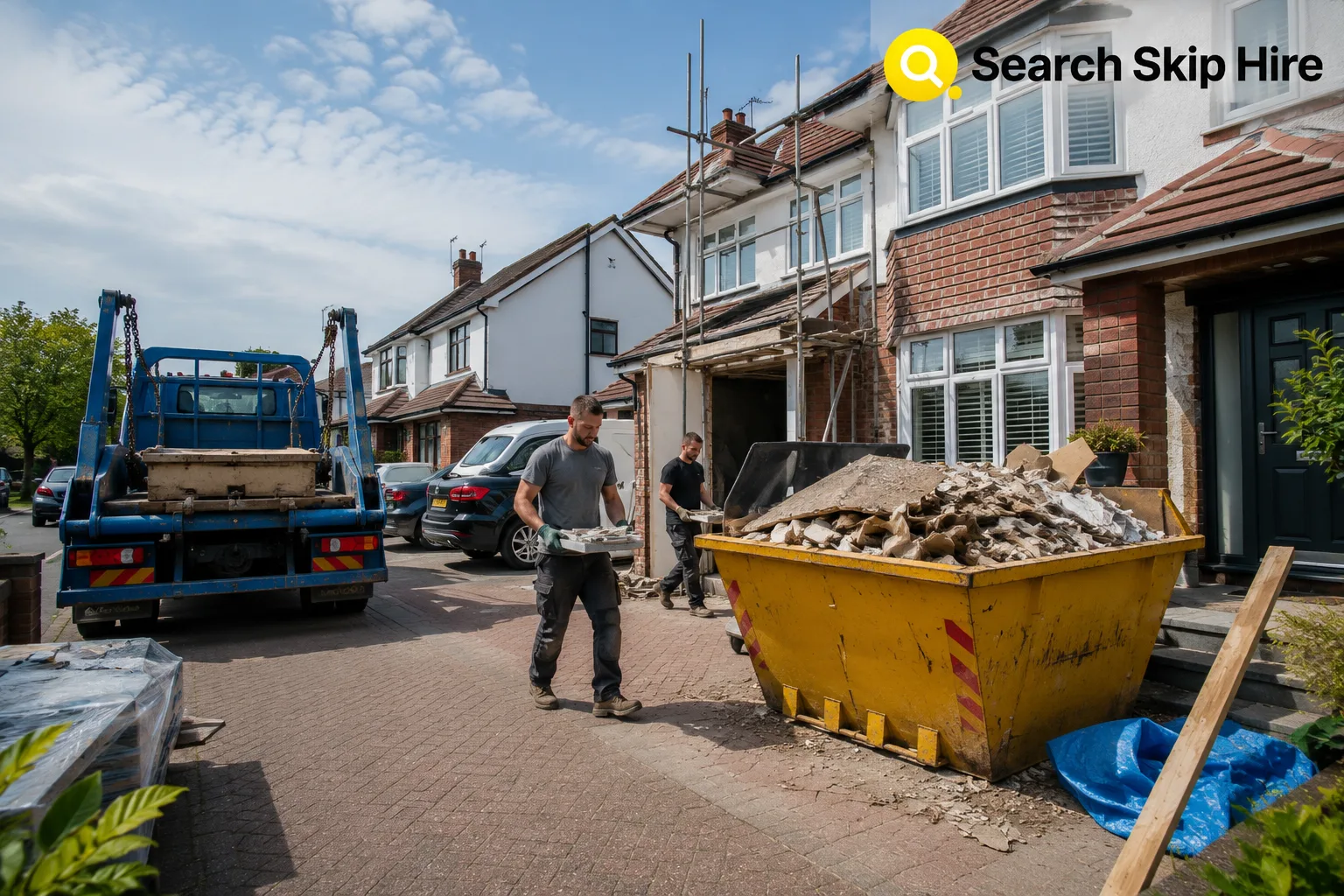
Skip hire is a waste removal service used for home renovations, garden clear-outs, and construction projects. A skip is delivered to a chosen location, filled over an agreed period, and then collected for sorting and recycling at licensed facilities.
This helps reduce unnecessary trips to disposal centres and keeps work areas safer and more organised during ongoing projects.
The service is useful when standard bins are not enough for project waste and provides a simple way to manage rubbish from start to finish for both small and large jobs.
Continue reading to explore skip sizes and how to choose the right option, or visit Search Skip Hire for more details.
What Are the Key Things to Know About Skip Hire Worcester UK?
Skip hire follows simple but important rules that help manage waste safely and legally.
Before looking at the points, it is useful to understand that these rules help prevent overfilling, reduce environmental impact, and ensure public safety.
Skip size should match the estimated waste volume
Permit is required only if placed on public land
Private placement is usually simpler and faster
How Does Skip Hire Work and What Should Be Understood Before Starting?
Skip hire is designed to make waste removal easier, whether you're clearing out a home, renovating a property, or working on a construction project. The process is straightforward, but understanding a few basic rules before you begin can help everything run smoothly. If you're new to the service, Skip Hire fundamentals provides a helpful overview of the essential concepts, terminology, and best practices before arranging a skip.
The sections below explain the key rules, how the service works, and what you can expect from delivery through to collection.
What Should Be Known About Skip Hire Rules?
Using a skip is simple, but there are a few important guidelines to follow. These rules help keep the service safe, support recycling, and ensure waste is handled in line with UK waste management requirements.
Some materials cannot be placed in a standard skip. Items such as asbestos, chemicals, batteries, paint, gas cylinders, and other hazardous waste usually require separate disposal because they need specialist handling.
The UK also has environmental rules that apply to certain waste activities. As the Environment Agency explains:
"You are breaking the law if you operate without a permit or licence when you should have one." - Environment Agency & Department for Environment, Food & Rural Affairs (GOV.UK)
Although this guidance mainly applies to regulated waste activities, it highlights the importance of following the correct waste management requirements. Using a licensed skip hire provider, separating restricted materials, and obtaining any required permits all help keep waste handling safe and compliant.
For most projects, following these basic guidelines is enough:
Choose a skip size that matches the amount of waste.
A permit is usually only required if the skip will be placed on a public road or pavement.
Placing a skip on private land, such as a driveway, normally does not require a permit.
Keep hazardous or restricted materials separate from general waste.
What Is Skip Hire and How Does It Function?
Skip hire is a waste collection service that provides a large container for storing waste during a project. The skip is delivered to the chosen location, left for an agreed hire period, and then collected once it is ready. T
his service is commonly used for home improvements, garden clearances, property clear-outs, and construction work.
For projects in the capital, skip hire services in London, operate in the same way. Skip delivery, collection, and waste processing are carried out in accordance with local requirements and licensed waste management practices.
How Does the Skip Hire Process Work Step by Step?
The skip hire process follows a simple sequence, making it easy to plan around your project. Knowing what happens at each stage can help avoid delays and ensure the hire runs smoothly.
The typical process is:
Choose the skip size that suits your project.
Arrange a delivery date and location.
The skip is delivered and placed in the agreed position.
Fill the skip during the hire period, taking care not to overfill it.
The skip is collected and the waste is taken for sorting, recycling, and disposal where required.
What Types of Skip Hire Services Are Available?
Skip hire services are available for a wide range of projects, from small household jobs to larger commercial and construction work. Choosing the right type of service helps ensure the skip is suitable for the kind of waste being produced, making collection and disposal more straightforward.
Local skip hire companies in Worcester typically serve nearby areas across Worcestershire, depending on delivery routes, service availability, and project requirements.
Understanding Who should use skip hire services can also make it easier to choose the most suitable option for a particular project.
Before looking at the different options, it's helpful to remember that some services are better suited to certain types of waste. Matching the service to your project can make waste management more efficient and support better recycling.
What Is Domestic Skip Hire Used For?
Domestic skip hire is designed for everyday household projects where waste builds up over time. It is a popular choice for home improvements, clear-outs, and general DIY work because it provides a convenient place to collect waste as the project progresses.
Typical uses include:
Kitchen and bathroom renovations
Old furniture and household items
House or room clear-outs
Small DIY and decorating projects
When Is Commercial and Construction Skip Hire Needed?
Commercial and construction skip hire is suitable for projects that produce larger amounts of waste or heavier materials. It is commonly used by businesses, contractors, and tradespeople who need a reliable way to manage waste throughout a project.
Typical uses include:
Office refurbishments and clear-outs
Retail shop fit-outs and renovations
Construction and building waste
Light industrial materials
What Can Garden Waste Skip Hire Handle?
Garden waste skip hire is intended for outdoor projects such as garden maintenance, landscaping, and seasonal clearances. It helps keep green waste contained in one place, making clean-up quicker and more organised.
Typical materials include:
Grass cuttings, soil, and hedge trimmings
Tree branches and logs
Old fencing and timber from garden structures
General landscaping and garden waste
What Is Waste Classification in Skip Hire?
Not all waste can go into a standard skip. In the UK, waste is generally grouped into non-hazardous and hazardous materials. Knowing the difference helps ensure waste is collected, transported, and disposed of safely while supporting recycling wherever possible.
Before filling a skip, it's a good idea to check whether any items need special disposal. Reviewing the Items prohibited in skip hire before loading a skip can help prevent restricted materials from being mixed with general waste, reducing the risk of collection delays, additional charges, or non-compliance with waste management requirements. Placing restricted materials in a standard skip can delay collection and may lead to additional charges.
What Is Non-Hazardous Waste?
Non-hazardous waste includes most of the everyday materials produced during home improvements, garden work, and general clear-outs. These items can usually be placed in a standard skip, provided they meet the skip hire company's guidelines.
Common examples include:
Bricks, concrete, and rubble
Wood and timber
Soil and garden waste
Furniture and household items
Cardboard, paper, and some plastics
What Is Hazardous Waste?
Hazardous waste includes materials that need special handling because they can pose a risk to people or the environment. These items should not be placed in a standard skip unless the skip hire provider has confirmed they can be accepted.
Common examples include:
Asbestos
Paint, solvents, and chemicals
Batteries
Gas cylinders
Oils and fuels
Electrical equipment containing hazardous components
Why Is Waste Classification Important?
Separating waste correctly helps make recycling more effective and ensures materials are handled in line with UK waste regulations. It also reduces the risk of contamination, which can prevent recyclable materials from being recovered.
If prohibited items are placed in a standard skip, collection may be delayed until they are removed. In some cases, additional handling or disposal charges may also apply. Taking a few minutes to sort waste before loading the skip can help keep the process simple, avoid unnecessary issues, and ensure waste is managed in the right way.
What Skip Sizes, Prices, and Options Should Be Considered?
Choosing a skip is about more than picking the biggest or cheapest option. The right choice depends on how much waste you have, the type of project you're working on, and how long you'll need the skip. Understanding how skip sizes and pricing work together can help you choose a suitable option while avoiding unnecessary costs.
It's also worth remembering that prices can vary between providers. Factors such as transport, waste type, hire period, and local disposal costs all play a part in the final price.
What Skip Sizes Are Available?
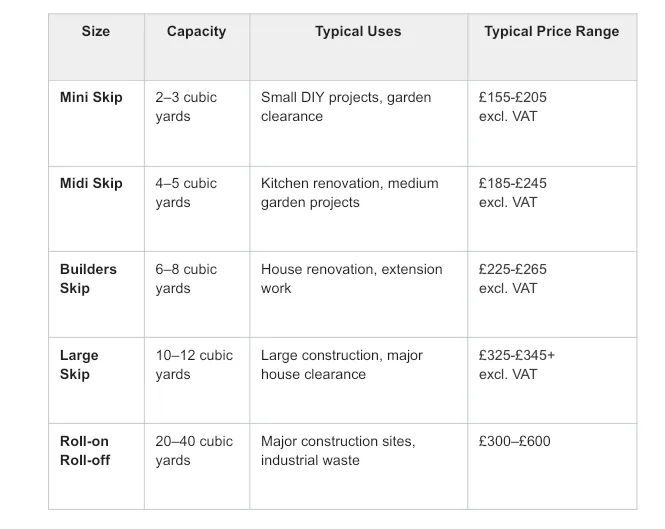
Skip hire companies offer a range of sizes to suit different projects, from small home improvements to large construction work. Choosing a skip that matches the amount of waste helps avoid overfilling while making the most of the available space.
What Factors Influence Skip Hire Pricing?
Skip hire prices are based on several practical factors rather than skip size alone. The total cost reflects the work involved in delivering the skip, collecting it, transporting the waste, and processing it at licensed facilities.
Some of the main factors that affect pricing include:
Skip size and overall waste volume
Type of waste, including household, mixed, or heavier construction materials
Weight of the waste, which may affect transport and disposal costs
Delivery location and how easy the site is to access
Length of the hire period and any extensions
Whether a permit is needed if the skip is placed on a public road or pavement
How Do Skip Sizes and Pricing Work Together?
Larger skips usually cost more, but they can offer better value if your project is expected to produce a high volume of waste. Choosing the right size from the start may also help avoid paying for a second skip or additional collections later.
As a general guide:
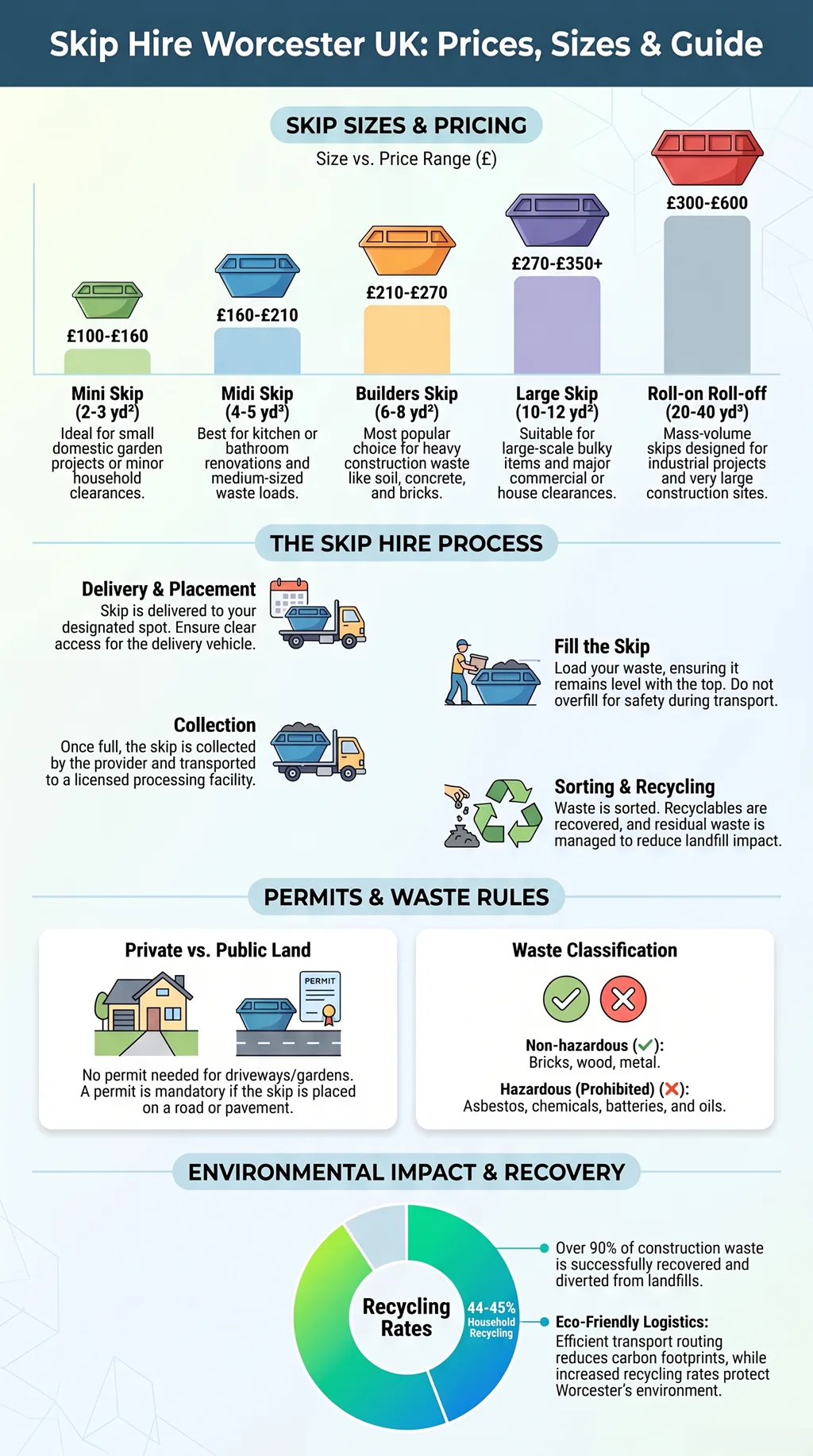
Mini skips are suitable for small DIY jobs and garden clearances.
Midi skips are a popular choice for kitchen renovations and medium-sized home projects.
Builders skips work well for larger renovations and extension work.
Large skips are better suited to major house clearances and construction projects.
Roll-on roll-off skips are designed for commercial sites and projects that generate large amounts of waste over time.
This approach helps match the skip to the project, making waste removal simpler, more efficient, and often more cost-effective.
How Does Skip Hire Compare to Grab Lorry?
Skip hire and grab lorry services are both practical ways to remove waste, but they are designed for different situations. The best option depends on the type of project, the amount of waste, and whether it needs to be cleared gradually or all at once.
Before comparing the two, it is helpful to understand that skip hire is generally suited to projects that create waste over several days, while grab lorry services are intended for collecting large amounts of waste in a single visit.
What Are the Main Differences Between Skip Hire and Grab Lorry?
Although both services remove waste, they work in different ways and suit different types of projects.
Skip hire is suitable for projects that generate waste over time
Grab lorry services are designed for collecting large piles of waste in one visit
Skip hire requires enough space for the skip to be placed during the hire period
Grab lorries need suitable access so the loading arm can safely collect the waste
Which Option Is More Cost-Effective?
The most cost-effective option depends on how the waste is produced and how the project is managed.
Skip hire is often a good choice for home renovations, DIY projects, and garden work where waste builds up gradually. Having a skip on-site allows rubbish to be added as work progresses without arranging multiple collections.
Grab lorry services may be more suitable when a large amount of waste has already been gathered in one place and needs to be removed quickly. They can also save time by loading waste directly, although costs may vary depending on access and the amount of material being collected.
When Should Each Service Be Chosen?
Both options can be effective when matched to the right type of project.
Skip hire is commonly chosen for:
Home renovations
Garden clear-outs
DIY projects
Ongoing building work
Grab lorry services are commonly chosen for:
Large piles of soil, rubble, or construction waste
Site clearances
Projects that need waste removed in a single visit
Locations where long-term skip placement is not practical
When Is a Skip Permit Needed for Skip Hire?
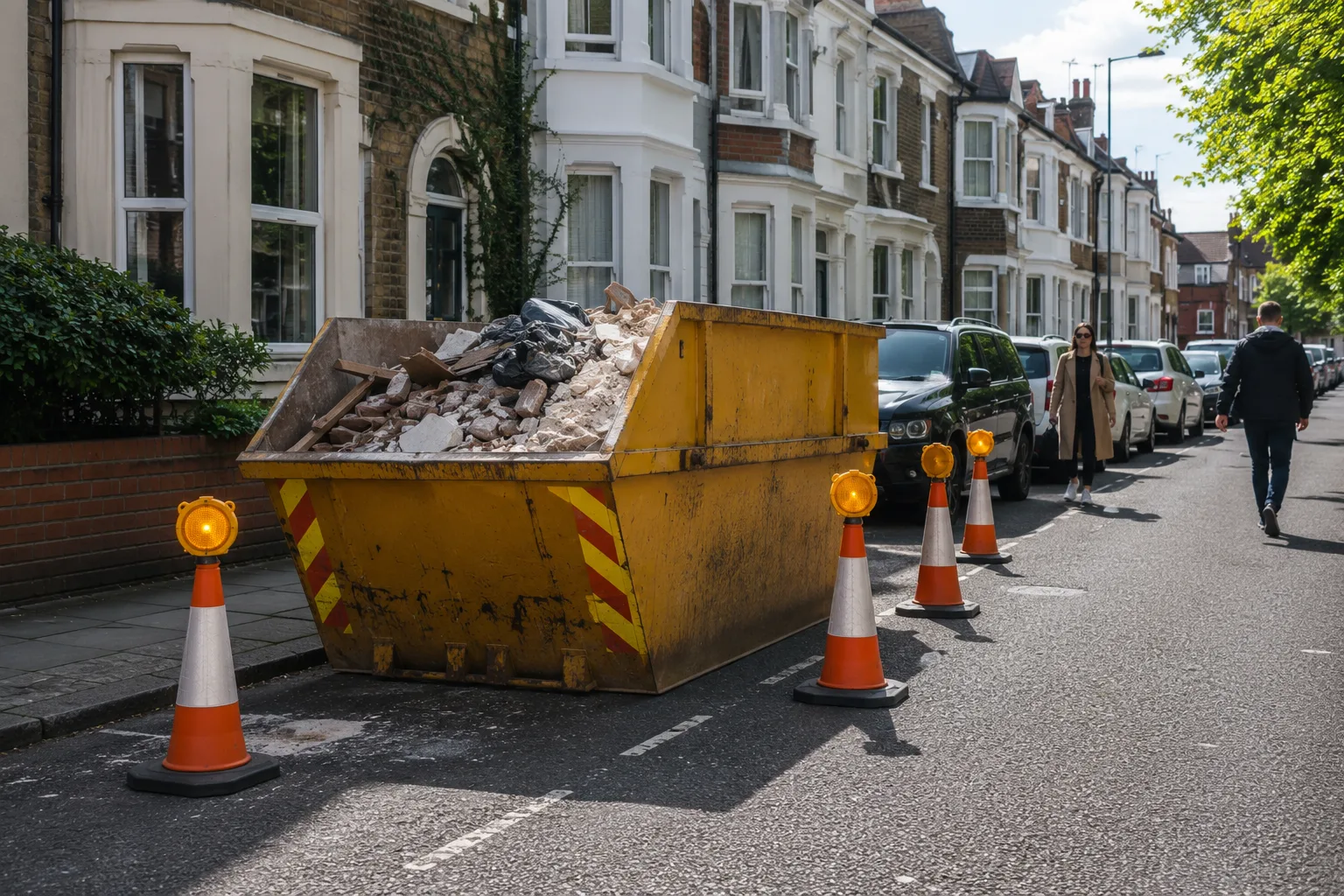
A skip permit is usually required when a skip is placed on public land, such as a road, pavement, or other shared space. The permit helps ensure the skip is positioned safely and does not obstruct pedestrians or traffic.
The same rules generally apply to skip hire Doncaster if the skip will be placed on a public highway. In these cases, the permit requirements are determined by the local council, and the hire company can often arrange the permit on your behalf.
When Is a Permit Required?
A permit is required when a skip is placed in areas that are open to public use. This rule helps local authorities maintain safety and access for vehicles and pedestrians.
Further guidance is available in Skip on road rules explained, covering when a permit is required, where skips may be placed, and the responsibilities associated with using public roads or pavements.
Skip placed on a public road
Skip placed on a pavement or shared walkway
Skip placed in any public access area
When Is a Permit Not Required?
A permit is not needed when the skip is placed on private land. This is usually the simplest option because it avoids extra approval steps.
Before listing examples, it is helpful to understand that private placement gives more flexibility during the hire period.
Driveways
Private gardens
Private construction or work sites
How Does the Recycling Process and Waste Management Work?
Skip hire services include a structured recycling process that helps ensure waste is handled in a responsible way. After collection, materials are taken to licensed facilities where they are sorted and processed according to type.
Before going into the steps, it is useful to understand that recycling helps reduce the amount of waste sent to landfill and allows useful materials to be recovered and reused.
How Is Waste Processed After Collection?
After collection, waste is taken to a licensed transfer station where it is processed under UK waste regulations. Materials are separated into recyclable and non-recyclable groups so that as much as possible can be recovered.
Waste is delivered to a licensed transfer station
Materials are sorted by type for processing
Metals, wood, and rubble are separated for recycling
Remaining waste is sent to controlled landfill if not recyclable
What Is the UK Recycling and Landfill Diversion Rate?
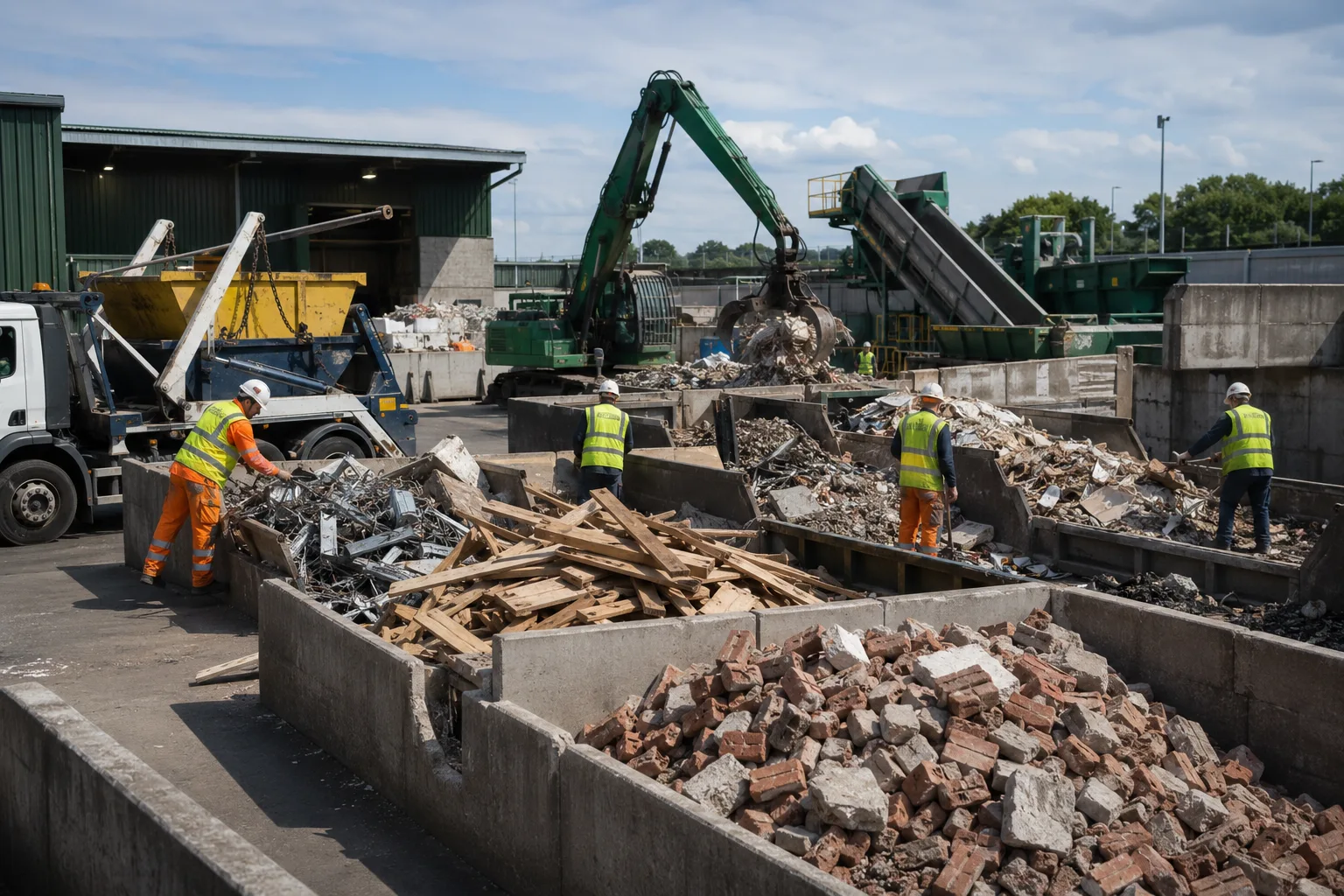
Recycling is an important part of how waste is managed across the UK. After a skip is collected, the waste is taken to licensed facilities where recyclable materials are separated before the remaining waste is treated or disposed of. This process helps reduce the amount of waste sent to landfill and allows more materials to be recovered for future use.
Before looking at the figures, it's helpful to remember that recycling rates vary depending on the type of waste. Household waste and construction waste are managed differently, so their recycling rates are not the same.
How Much Waste Is Recycled in the UK?
According to UK government figures, around 44% to 45% of household waste is recycled, composted, or reused each year. This means that nearly half of the waste collected from homes is kept out of landfill.
Construction and demolition waste has an even higher recovery rate, with more than 90% of materials typically being reused, recycled, or recovered. Materials such as concrete, bricks, metals, and soil can often be processed and used again in future projects.
What Is Landfill Diversion?
Landfill diversion means reducing the amount of waste sent to landfill by recovering recyclable or reusable materials first. At licensed waste facilities, collected waste is sorted so that materials such as metal, wood, cardboard, plastics, and rubble can be separated before the remaining waste is disposed of.
This approach helps to:
Reduce the amount of waste sent to landfill
Recover useful materials for recycling and reuse
Make better use of natural resources
Lower the environmental impact of waste management
While not every material can be recycled, sorting waste correctly gives more items the opportunity to be recovered instead of being sent to landfill. This is one of the reasons why separating waste properly before filling a skip can make a real difference.
What Is the Environmental Impact of Skip Hire?
Skip hire services support waste management in a way that helps reduce environmental impact. By using structured collection and sorting systems, more waste can be reused or recycled instead of going straight to landfill.
Before looking at the details, it is useful to understand that responsible waste handling helps reduce long-term pressure on the environment and supports cleaner disposal practices.
How Does Skip Hire Help Reduce Environmental Impact?
Skip hire supports better waste management by improving recycling rates and reducing landfill use. When waste is properly sorted, more materials can be recovered and reused.
Higher landfill diversion through sorting systems
Reduced risk of illegal dumping
Improved recycling of construction and household materials
How Does Transport Efficiency Reduce Carbon Footprint?
Transport is an important part of skip hire, from delivering the skip to collecting it once the hire period ends. How these journeys are planned can make a difference to fuel use and overall emissions.
Before looking at the details, it is helpful to understand that efficient transport is not only about travelling shorter distances. Careful route planning and making the most of each collection help reduce unnecessary journeys and improve the overall efficiency of the service.
How Is Transport Made More Efficient?
Skip hire companies often organise deliveries and collections to make the best use of vehicles and travel routes. Planning jobs in the same area and collecting full skips where possible helps reduce unnecessary mileage and fuel consumption.
Common ways transport efficiency is improved include:
Planning delivery and collection routes to reduce unnecessary travel
Combining collections in the same area where practical
Reducing the number of trips to waste transfer and recycling facilities
Loading vehicles efficiently to make the most of each journey
While transport is only one part of the skip hire process, efficient route planning and fewer journeys can help lower fuel use and reduce the environmental impact of waste collection.
How Do Insurance and Liability Work?
Skip hire services involve more than simply delivering and collecting a skip. Insurance and liability help protect everyone involved if something unexpected happens during the hire period. Understanding who is responsible for different parts of the process can help avoid confusion and make the service easier to manage.
Before looking at the details, it is useful to understand that responsibility is shared between the skip hire provider and the customer. The provider is generally responsible for the safe delivery and collection of the skip, while the customer is responsible for using it correctly throughout the hire period.
What Does Insurance and Liability Cover?
Most skip hire companies carry public liability insurance to help cover accidental damage or injury that may occur while the skip is being delivered, positioned, or collected. The exact level of cover may vary between providers, but this type of insurance is commonly used to support safe day-to-day operations.
The UK government also reminds householders to check that any private waste collection service is properly authorised. As GOV.UK states:
"If you use a private business that provides a waste collection service, you must check the company is on the register of waste carriers." - GOV.UK (Department for Environment, Food & Rural Affairs)
Choosing a registered skip hire provider helps support legal waste disposal and reduces the risk of waste being handled improperly. Alongside the provider's insurance, following the provider's loading guidance and checking that waste is handled by an authorised carrier helps the hire process run more smoothly.
Insurance and responsibilities typically include:
Public liability cover during skip delivery and collection
Protection against accidental damage caused during normal operations
Customer responsibility for loading the skip safely and not overfilling it
Customer responsibility for ensuring prohibited or hazardous waste is not placed in the skip
Shared responsibility for keeping the skip safely positioned throughout the hire period
What Are the Alternative Waste Removal Options?
Skip hire is one common way to manage waste, but it is not the only option available. Some projects may suit different removal methods depending on how much waste is produced, how quickly it needs to be cleared, and the type of materials involved.
Before looking at the options, it is useful to understand that each method works better for specific project sizes and levels of urgency.
What Other Waste Removal Methods Can Be Used?
Different waste removal options are available when skip hire is not the most suitable choice. These methods can help handle smaller loads, bulky items, or fast clear-outs.
Grab lorry services for bulk waste removal
Man and van clearance for smaller mixed loads
Multiple trips to recycling centres for low-volume waste
What Are the Council Rules and Penalties?
Skip hire must follow local council rules, especially when a skip is placed on a public road or pavement. While the basic requirements are similar across the UK, some councils have their own permit procedures, conditions, and fees. Checking the local requirements before arranging a skip can help avoid unnecessary delays.
Before looking at the details, it is useful to understand that these rules are designed to protect public safety, maintain access for pedestrians and vehicles, and ensure skips are placed in suitable locations.
What Happens If Council Rules Are Not Followed?
If a skip is placed on public land without the required permission or does not meet local council requirements, the council may take action to address the issue. The type of action can vary depending on the location and the circumstances.
Possible outcomes include:
Fines for placing a skip without a required permit
Requests to move or remove a skip that has been placed unsafely
Responsibility for any obstruction to roads, pavements, or public access
Additional requirements where local council conditions have not been met
Following the correct permit process and placing the skip in a safe location can help avoid delays, additional costs, and disruption during the hire period.
How Do Skip Hire Delivery and Collection Work?
Skip hire services include both delivery and collection, which makes waste management more straightforward and organised. The skip is brought to the chosen location, used for a set period, and then collected once it is full or the hire period ends.
Before looking at the steps, it is important to understand that good preparation helps the process run smoothly from start to finish.
How Does Skip Delivery Work?
Delivery is arranged in advance so the skip can be placed safely and in the correct position. A clear and accessible area helps avoid delays and ensures safe placement.
Delivery time is confirmed in advance
Access space is prepared before arrival
The skip is placed at the agreed location
Waste filling begins once the skip is in place
How Does Skip Collection Work?
Once the skip is full or the hire period has ended, it is collected and taken for proper waste processing. Keeping the skip within fill limits helps ensure smooth removal.
Collection is requested or scheduled
The skip is safely lifted and removed
Waste is transported for sorting and recycling
FAQ
The standard hire period varies between skip hire providers, but many offer skips for one to two weeks. If more time is needed, the hire period can often be extended, although additional charges may apply depending on the provider and skip availability.
Most furniture and general household items can usually be placed in a standard skip. However, items such as refrigerators, freezers, electrical appliances, batteries, and hazardous materials often require separate disposal because they need specialist handling. Checking accepted waste types before loading the skip helps avoid collection delays.
A skip should not be filled above the marked fill level. Overfilled skips may not be collected because they can create safety risks during transport. Excess waste normally needs to be removed before collection can take place.
In many cases, being present is not required if clear access has been arranged and the delivery location has been confirmed in advance. Accurate placement instructions help ensure the skip is positioned safely and correctly.
The right skip size depends on the amount and type of waste produced by the project. Smaller skips are generally suitable for DIY work and garden clearances, while larger skips are better for home renovations, house clear-outs, and construction projects. Selecting a suitable size from the beginning can help avoid additional collections or the need for a second skip.
How Does Skip Hire Help Manage Waste Effectively?
Skip hire provides a simple way to manage waste from home projects, garden work, and construction jobs. Choosing the right skip size, following permit rules when required, and planning delivery and collection all help keep the process smooth and manageable from start to finish.
For arranging or exploring options, visit the official service page for Search Skip Hire to find suitable choices based on project needs.
References
Related Articles
https://www.searchskiphire.co.uk/blog/skip-hire/who-should-use-skip-hire-services/
https://www.searchskiphire.co.uk/blog/skip-waste-types/items-prohibited-in-skip-hire/
https://www.searchskiphire.co.uk/blog/skip-permits/skip-on-road-rules-explained/
https://www.searchskiphire.co.uk/blog/skip-hire/skip-hire-uk-fundamentals/
https://www.searchskiphire.co.uk/blog/skip-hire/skip-hire-london/
https://www.searchskiphire.co.uk/blog/skip-hire/skip-hire-doncaster-uk/
Filed under:
Skip Hire