
Planning a renovation, garden clearance, or construction project in Manchester? Waste can build up quickly and disrupt progress if not managed properly.
A skip service provides one container for collecting and removing rubbish, helping keep the site organised while reducing trips to disposal facilities.
Before booking, it helps to understand skip sizes, pricing, and permit requirements to avoid delays and unexpected costs.
This guide explains how skip hire works in Manchester and how to choose the right option. Continue reading or visit Search Skip Hire to get started.
What Are the Key Things to Know Before Booking Skip Hire in Manchester?
Before booking a skip, there are a few important factors to consider:
Waste type affects how it is handled and priced
Skip size determines capacity and overall efficiency
Placement location may require a permit if placed on public roads
Understanding these points early helps reduce mistakes such as choosing the wrong skip size or facing unexpected permit issues.
What Is Skip Hire?
Skip hire is a waste management service where a large container (skip) is delivered to your location, filled with waste, and then collected for transport to a licensed treatment facility for sorting, disposal, or recycling.
This system combines collection, storage, and removal into one structured process, making it widely used in home renovations, construction work, and commercial clean-ups across Manchester.
The service typically follows three core stages: delivery of the skip container to the site, on-site waste collection where all rubbish is stored in a single container to improve site efficiency, and transport to licensed facilities for proper processing.
In many cases, waste collected in Manchester is taken to facilities such as Material Recovery Facilities (MRFs), where materials are separated and recycled before any landfill disposal takes place, where materials are separated and recycled before any landfill disposal takes place.
By centralising waste in one container and linking it directly to formal recycling infrastructure, skip hire reduces unnecessary transport trips, improves site organisation, and supports a more efficient and environmentally responsible waste management system.
How Skip Hire Works?
How skip hire works follows a clear and structured process from booking to final collection. It is designed to make waste removal simple, reduce disruption on-site, and keep projects running smoothly.
The process usually starts with choosing the right skip size based on the amount of waste and the type of project. After that, a delivery slot is booked, which may be arranged for same-day or scheduled drop-off depending on availability. Once the skip arrives, it is placed either on private land or on a public road, although a permit is required for roadside placement.
After delivery, the skip is filled safely within weight and material limits. This helps avoid extra charges and ensures compliance with waste regulations. When the skip is full, or the project is finished, a collection is arranged. The waste is then transported to licensed facilities for proper treatment and processing.
Key steps in the process include:
Choosing the correct skip size for the project
Booking a suitable delivery time
Placing the skip on approved private or public locations (permit if needed)
Filling the skip within allowed limits
Arranging collection and transport to licensed facilities
From an operational point of view, pricing and service efficiency are influenced by more than just skip size. Logistics play an important role in determining the final cost.
Several factors can affect pricing:
Distance from the depot, which impacts fuel and transport costs
Urban access restrictions that may slow down delivery or collection
Traffic congestion in Manchester, which can cause delays
Permit requirements for roadside placements, which add administrative costs
These operational factors explain why two skips of the same size can still have different prices depending on location, timing, and site conditions, even though the booking and collection process remains consistent.
Why Skip Hire Is Widely Used?
Skip hire services are widely used in Manchester because many projects generate more waste than regular household bins can handle.
Renovation work, property upgrades, and construction activities often produce large amounts of rubbish. Without proper management, this can slow down work progress.
Using a skip helps keep all waste in one place. It reduces the need for multiple trips to disposal sites and keeps the working area cleaner and safer.
Common situations include:
Home renovation projects
Garden clearance work
Construction and building jobs
Full property clean-outs
Overall, it helps improve efficiency and keeps projects better organised from start to finish.
What Types of Skip Hire Are Available?
Different skip options are available depending on the size and type of project.
Each option is designed to match specific waste levels, from small household clean-ups to large construction work.
Typical use cases include:
Small home clear-outs
Garden waste removal
Construction and renovation projects
Ongoing trade work
Choosing the right type helps avoid overpaying for unused capacity or selecting a skip that is too small.
What Is Domestic Skip Hire?
Domestic skip service is used for home projects like cleaning, moving, or small renovations. It helps manage everyday household waste in one place, making it easier to keep the home or garden area clear during a project.
These skips are suitable for general household waste, packaging, and light garden materials. They are commonly used for short-term home jobs where waste builds up gradually and needs simple removal.
What Are Domestic Skip Hire Use Cases?
Domestic skips are commonly used in home situations where waste builds up during smaller projects.
Typical uses include:
Home decluttering and room clean-outs
Small kitchen or bathroom updates
Garden trimming and light outdoor waste
These uses help keep household projects manageable without needing multiple trips to waste disposal sites, making waste removal more simple and efficient.
What Is Commercial Skip Hire?
Commercial skip hire is used to manage waste from business locations such as offices, shops, and work sites. It helps collect and store larger amounts of waste in one place, keeping daily operations more organised and easier to manage.
This type of service is useful for ongoing waste needs where rubbish builds up regularly and requires consistent collection. It supports structured waste handling for businesses that generate steady amounts of general waste.
Common commercial waste needs include:
Office waste and general paperwork disposal
Shop and retail packaging waste
Light construction or site waste
Regular ongoing business rubbish collection
This approach helps keep commercial spaces clear while ensuring waste is managed in a practical and consistent way.
What Is Builders Skip Hire?
Construction waste disposal is used for heavier materials from renovation and building work. It helps manage larger and heavier materials in one place, especially on active work sites where waste can build up quickly during ongoing projects.
These skips are commonly used when waste is too heavy or too much for standard household skips. They are designed for construction jobs that need safe and organised disposal of bulkier materials.
Typical materials include:
Bricks and broken masonry
Rubble from demolition work
Plaster and wall materials
This type of skip is often used on renovation and building sites where waste volume is higher and needs regular removal to keep the site clear and manageable.
What Is Trade Skip Hire?
Trade skip hire is used by contractors who need regular waste collection during ongoing projects. It helps manage waste in a steady and organised way, especially when work continues over a longer period and waste builds up gradually.
This option is useful when site waste needs to be removed consistently to keep work areas clear and safe. It also helps reduce interruptions by making waste handling part of a simple, ongoing process.
Common trade skip hire uses include:
Ongoing construction and renovation work
Regular contractor and site-based projects
Jobs that produce steady waste over time
This type of service helps keep workspaces organised while supporting consistent waste removal across longer project schedules.
What Skip Sizes Are Available?
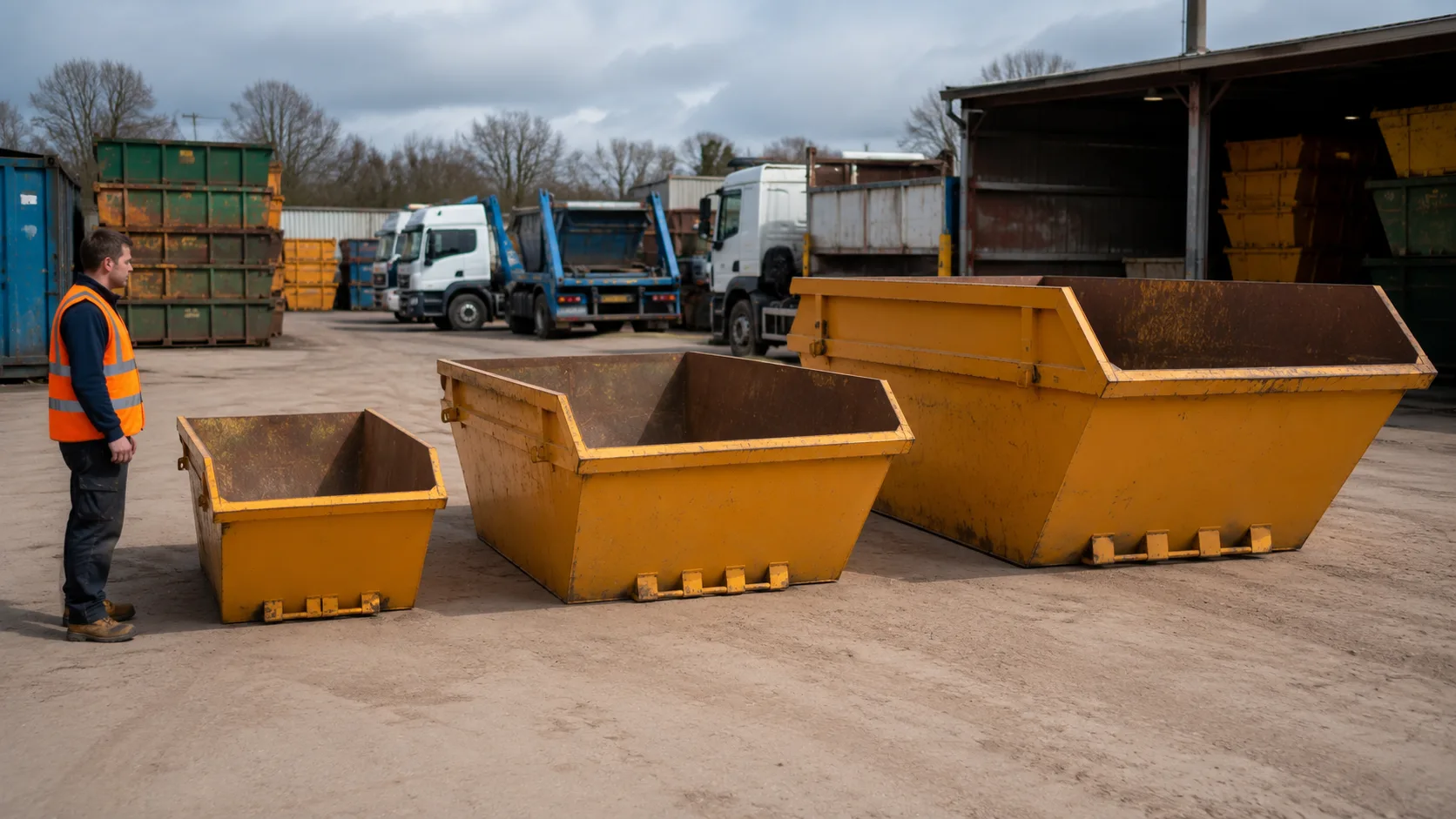
Different skip sizes are available so users can choose based on the amount of waste and the type of project being carried out. This helps make waste removal more practical and easier to plan from the beginning.
This approach also helps avoid common issues such as selecting a skip that is too small or larger than needed. Choosing the right size helps keep the process smoother and can reduce unnecessary cost or unused space.
Size selection is usually guided by:
Amount of waste being produced
Type of project (home, garden, or construction work)
Available space for skip placement
Expected hire duration
This makes skip hire simpler, clearer, and better matched to real project needs in the local area.
When Should You Choose a Mini Skip?
Mini skips are used for small home projects that produce light waste. This size is suitable when the amount of rubbish is limited and easy to manage.
It is commonly chosen for simple household and garden tasks where waste does not take up much space but still needs proper disposal.
Typical uses include:
Garden waste and light outdoor clean-ups
Small furniture items from home clear-outs
General household rubbish from minor projects
This skip size helps keep smaller jobs organised while making waste removal simple without the need for a larger container.
When Is a Midi Skip the Right Choice?
Midi skips are used for medium-sized home projects that produce a steady amount of waste. This size is a practical option when the job is larger than a small clean-up but does not require a full-sized skip.
It is commonly used for household projects where waste builds up during renovation or improvement work, offering a balanced option for everyday residential needs.
Typical uses include:
Kitchen updates and small renovation work
Bathroom improvements and refurbishments
General household waste from medium home projects
This skip size is one of the most commonly chosen options for residential use, as it can handle a good amount of waste without taking up too much space.
What Projects Need a Large Skip?
Large skips are used for bigger renovation and construction projects where waste builds up in higher volumes. This size is suitable when smaller skips are not enough to handle the amount of material produced during ongoing work.
They are designed to manage a mix of waste types, including heavier and bulkier materials from building and renovation jobs.
Typical uses include:
Bigger home renovation projects
Construction and building work
Mixed waste from ongoing site activities
This skip size helps keep larger projects organised by allowing more waste to be collected in one place before removal.
When Is RoRo Skip Hire Needed?
RoRo (roll-on roll-off) skip hire is used for large-scale waste removal needs where very high volumes of waste must be managed in a single collection. This option is designed for situations that require efficient bulk disposal.
It is commonly used in commercial and industrial environments where waste builds up quickly and needs structured handling over time.
Typical uses include:
Large commercial waste projects
Industrial site clearance work
Bulk waste removal from major operations
This skip size helps manage high-capacity waste in an organised way, making it suitable for ongoing and large-scale disposal requirements.
How Do Skip Sizes Compare?
This table is included to help users quickly understand the differences between the main skip sizes available in the local area. It makes it easier to match the right skip to the type of project and the amount of waste being produced.
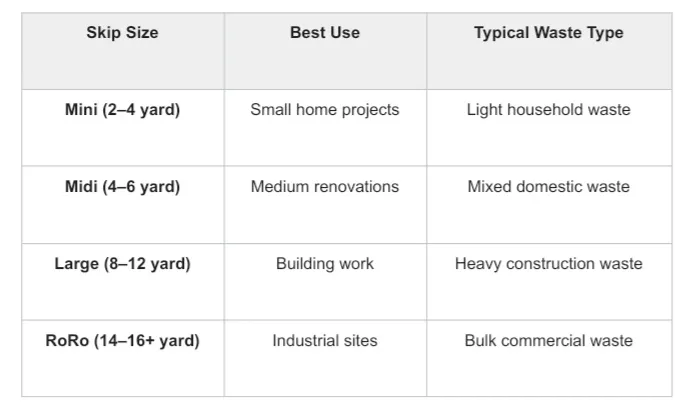
This comparison helps users choose a suitable skip size based on their project needs, so waste removal stays simple and well organised.
What Are the Differences Between Mini Skip and Midi Skip?
Mini and midi skips are often compared because both are commonly used for home projects. The main difference lies in the amount of waste they can hold and the type of jobs they are best suited for.
Mini skips are better for smaller tasks with limited waste, while midi skips provide more space for medium-sized home renovations. This makes each option suitable for different levels of household work.
The differences can be explained as:
Mini skips are ideal for tight spaces and smaller waste loads
Midi skips are better for larger home projects with more flexibility
Midi skips can reduce the need for multiple collections
This helps users choose the right size based on how much waste is expected during the project.
What Affects Skip Hire Prices?
Skip hire prices can vary depending on the type of project, the placement location, and the amount of waste that needs to be collected. These factors all influence the final cost, so understanding them before booking can help with better planning.
A clearer explanation of these factors helps users make more informed decisions and manage their skip hire more effectively.
Common cost factors include:
Size of the skip required
Type and weight of waste
Length of the hire period
Delivery location and access conditions
Understanding these elements helps users choose the right skip size and reduces the risk of unexpected costs during the hire period.
How Do Competitor Pricing Structures Compare?
Understanding competitor pricing structures helps you choose a skip hire service that best matches project needs, not just the cheapest option.
In the local skip hire market, providers typically fall into three main models:
National Broker Platforms
These platforms connect multiple local suppliers within a single system.
Initial prices often appear lower
Additional charges may apply (permits, location fees, or area surcharges)
Pricing transparency can vary between providers
Local Skip Operators
Direct providers based in the local area offer a more straightforward and reliable way to arrange skip hire without relying on intermediaries.
More stable and transparent pricing
Faster delivery and collection response times
More flexible for urgent or last-minute requirements
Grab Lorry Services (Alternative Option)
An alternative waste removal method without using a skip container.
Suitable for narrow or restricted access areas
Faster for large-scale clearance jobs
Typically higher cost per volume of material
For most residential projects, a 6–8 yard skip from a local operator usually provides the best value per cubic yard, balancing cost, convenience, and service reliability.
How Much Does Skip Hire Cost?
Skip hire pricing in the UK is usually explained in simple terms so users can plan their budget more easily before booking. Costs are not fixed and may vary depending on several key factors related to the project and location.
In most cases, pricing depends on skip size, delivery location, type of waste, and how long the skip is needed. These elements work together to determine the overall service cost.
Common cost factors include:
Skip size selected for the job
Length of the hire period
Type and weight of waste
Delivery location and site access
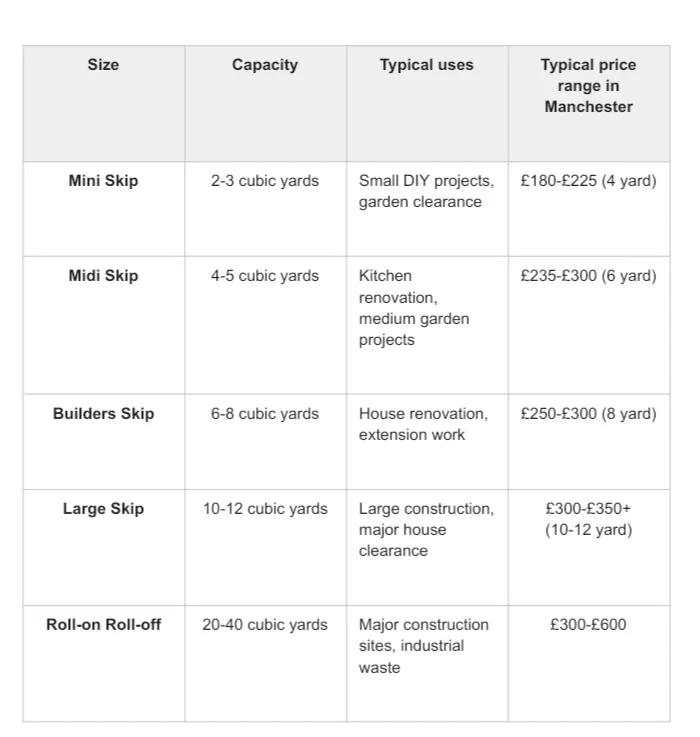
As noted in UK government waste guidance,
“you must make sure waste is managed and disposed of safely and legally”- Waste guidance (UK Government).
This is important because proper handling and disposal can also influence how skip hire services are structured and priced across different areas.
Is Cheap Skip Hire Better Than Choosing the Right Value?
The focus is on helping users choose the right skip hire based on their actual needs, rather than prioritising price alone. The most suitable option is usually the one that matches the amount and type of waste generated from the project.
Selecting the correct skip size from the beginning can also help avoid extra costs later, such as replacement skips or additional collection fees if the original choice is not suitable.
Key considerations include:
Matching skip size to waste volume
Planning for the full project duration
Avoiding underestimating waste amounts
Considering access and placement conditions
This approach helps keep the process simple while reducing the risk of unexpected costs during the hire period.
When Is a Skip Permit Required?
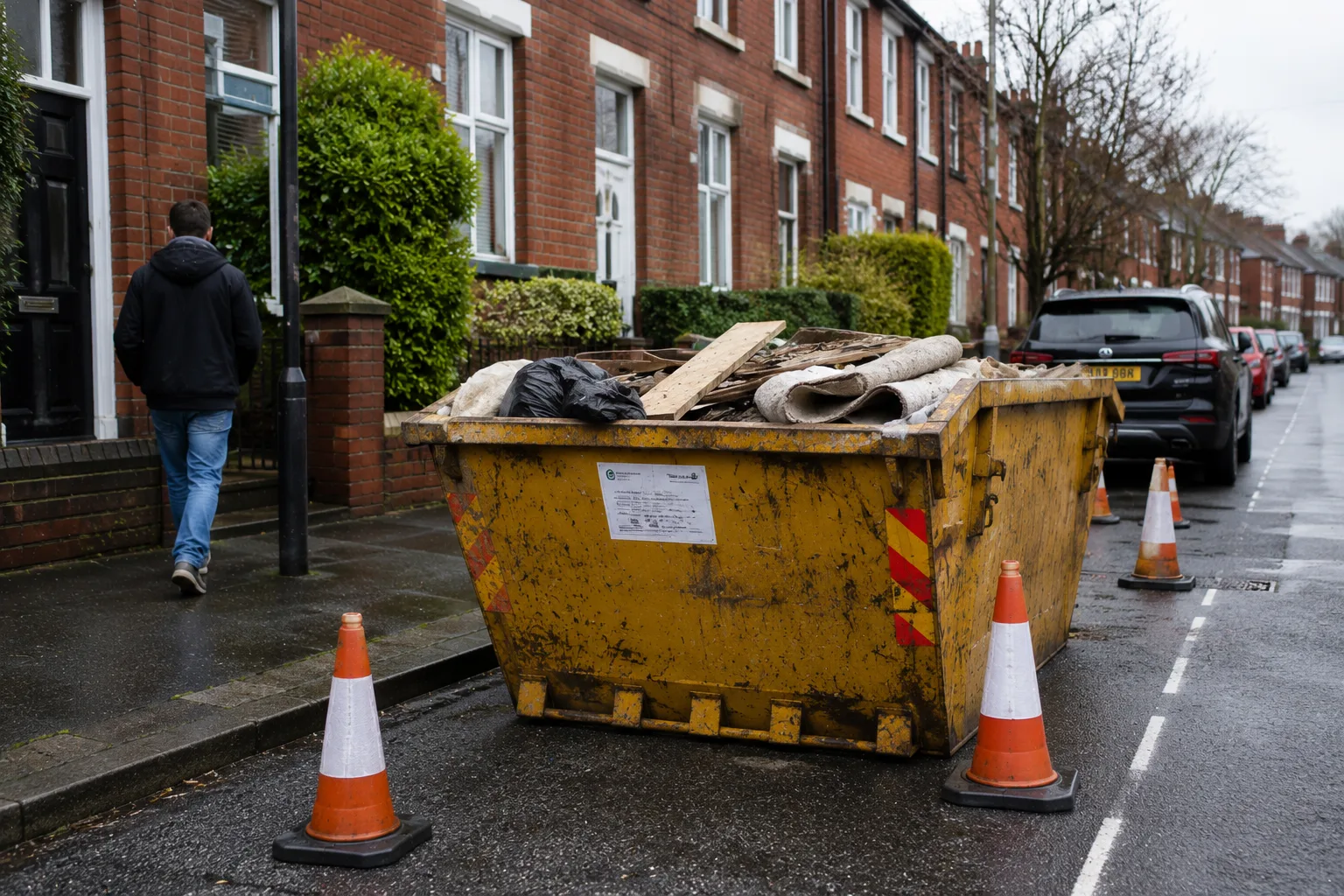
Skip hire requires a permit when the skip is placed in public or shared spaces. Private property placements usually do not require approval.
To make the rules easier to understand, they can be broken down into simple conditions.
Key Permit Rules
Public road or shared space → permit required
Private driveway or private land → no permit needed
Approval depends on Manchester council regulations
Duration and cost may vary by location
This ensures skips do not block traffic, pedestrian access, or emergency routes.
Permit approval is handled by the local council, and duration may vary depending on location and application conditions.
“You must apply for a permit before placing a skip on a public road.” – UK Government
In most cases, skip providers will help arrange the permit as part of the booking process, especially for roadside placements.
Is Same Day or Next Day Skip Hire Available?
Skip hire offers flexible delivery options depending on how quickly a skip is needed. This helps support both urgent and planned waste removal for different types of projects.
These options are useful when timing matters, whether waste needs to be cleared quickly or arranged in advance as part of a planned job. It helps keep projects moving without unnecessary delays.
A short explanation is included before the list for clarity.
Delivery timing depends on booking time, skip availability, and location.
Same day delivery for urgent waste removal needs
Next day delivery for planned projects
Availability may vary based on schedule and demand
What Is Same Day Skip Hire?
Same day skip hire refers to a delivery option where a skip can be provided on the same day, depending on availability. This option helps support situations where waste needs to be removed quickly.
It is typically used for urgent clean-ups or when unexpected waste needs to be cleared without delay. Availability may vary based on scheduling and location.
Key points include:
Same day delivery depends on availability
Suitable for urgent waste removal needs
Often used for unexpected clean-ups or last-minute projects
What Is Next Day Skip Hire?
Next day skip hire is a delivery option where a skip is provided the day after booking, depending on availability. This option is suitable for planned projects that are arranged in advance.
It works well for scheduled home improvements or construction work where waste removal is part of the project timeline.
A short explanation is included before the list to clarify timing.
Delivery depends on booking time and local availability.
Same day delivery for urgent needs
Next day delivery for planned work
Availability depends on scheduling
This helps provide flexibility for both urgent and planned waste removal needs.
What Waste Types Are Accepted in Skip Hire?
Skip hire covers a range of waste types from homes, gardens, and construction sites. This helps make waste removal suitable for different kinds of projects in a simple and organised way.
All waste is handled in line with proper disposal rules to support safe collection and processing. This ensures waste is managed responsibly from collection to disposal.
Common waste types include:
Household waste from home clear-outs
Garden waste such as branches and soil
Construction waste from building and renovation work
This helps ensure different types of waste are managed safely and in line with disposal requirements.
What Is Household Waste in Skip Hire?
Household waste refers to general items produced from everyday home activities and clean-outs. It is one of the most common waste types collected through skip hire for residential projects.
This type of waste usually comes from decluttering, moving, or small home improvements. It includes items that are no longer needed but still need proper disposal.
Typical household waste includes:
Old furniture from home clear-outs
Packaging materials from deliveries or renovations
General household items from small projects
This helps keep home spaces clear while ensuring waste is collected and removed in a proper way.
What Is Construction Waste in Skip Hire?
Construction waste comes from building, renovation, and demolition work. It includes heavier materials that need proper handling and disposal through skip hire services.
This type of waste is common on construction sites and home renovation projects where materials are removed or replaced during the work process.
Typical construction waste includes:
Bricks from building or demolition work
Plaster from wall or ceiling removal
Rubble and broken materials from construction sites
This helps ensure building waste is collected safely and managed in line with proper disposal practices.
What Is Garden Waste in Skip Hire?
Garden waste comes from outdoor maintenance and landscaping projects. It includes natural materials that are removed during garden cleaning or improvement work.
This type of waste is common in both small home gardens and larger outdoor projects where plants and soil are being cleared or trimmed.
Typical garden waste includes:
Soil from digging or landscaping work
Branches from tree and hedge trimming
Green waste such as grass and plant cuttings
This helps keep outdoor spaces clean while ensuring natural waste is removed in a proper and organised way.
What Can Go in a Skip in the UK?
Skip hire in the UK accepts a wide range of general waste from homes, gardens, and construction projects. This makes it a simple way to manage different types of rubbish in one place during a project.
A short explanation is included before the list for clarity.
Most general waste from homes and construction work can be placed in a skip safely and in line with disposal rules.
Household furniture and general waste
Construction rubble and building materials
Garden waste such as soil and branches
This helps keep waste removal simple and organised across different types of projects.
How Is Waste Recycling Handled in Skip Hire?
Skip hire follows proper waste handling systems to help reduce the amount of waste sent to landfill. This ensures waste is managed in a structured and responsible way.
Recycling is supported wherever possible, especially when materials can be separated and recovered for reuse. This helps improve overall waste efficiency and reduces environmental impact.
Key points include:
Waste is sorted using approved handling systems
Recyclable materials are separated where possible
Landfill use is reduced through proper processing
This approach helps ensure waste is managed safely and in line with standard disposal practices.
How Does the Recycling Process Work in Skip Hire?
Skip hire supports recycling by sending collected waste to licensed facilities where it is sorted and processed. This helps separate materials that can be reused from general waste that cannot be recovered.
At these facilities, waste is divided into different categories so recyclable materials can be recovered more effectively. This process helps reduce landfill use and improves how materials are reused across different waste streams.
A relevant principle from UK waste policy highlights the importance of efficient resource use:
“Waste should be managed in a way that improves resource efficiency and reduces environmental impact” - UK Government, Waste Prevention Programme for England
Key points include:
Waste is sorted at licensed recycling facilities
Recyclable materials are separated from general waste
The process supports reduced landfill use and better resource recovery
This approach aligns with UK waste management principles focused on reducing waste and improving recycling outcomes.
How Is Environmental Responsibility Handled in Skip Hire?
Skip hire aims to manage waste in a way that helps reduce environmental impact. This involves handling and processing waste through proper systems designed to support safer and more efficient disposal.
Responsible waste handling also supports recycling processes and helps reduce the amount of waste sent to landfill. This ensures materials are managed in a more structured and sustainable way.
A short explanation is included before the list.
Responsible disposal helps support recycling systems and reduces pressure on landfill sites.
Waste sorting at licensed facilities
Recycling reusable materials
Reducing landfill waste
This approach helps ensure waste is managed in line with environmental practices and regulations.
How Do You Choose the Right Skip Hire Service?
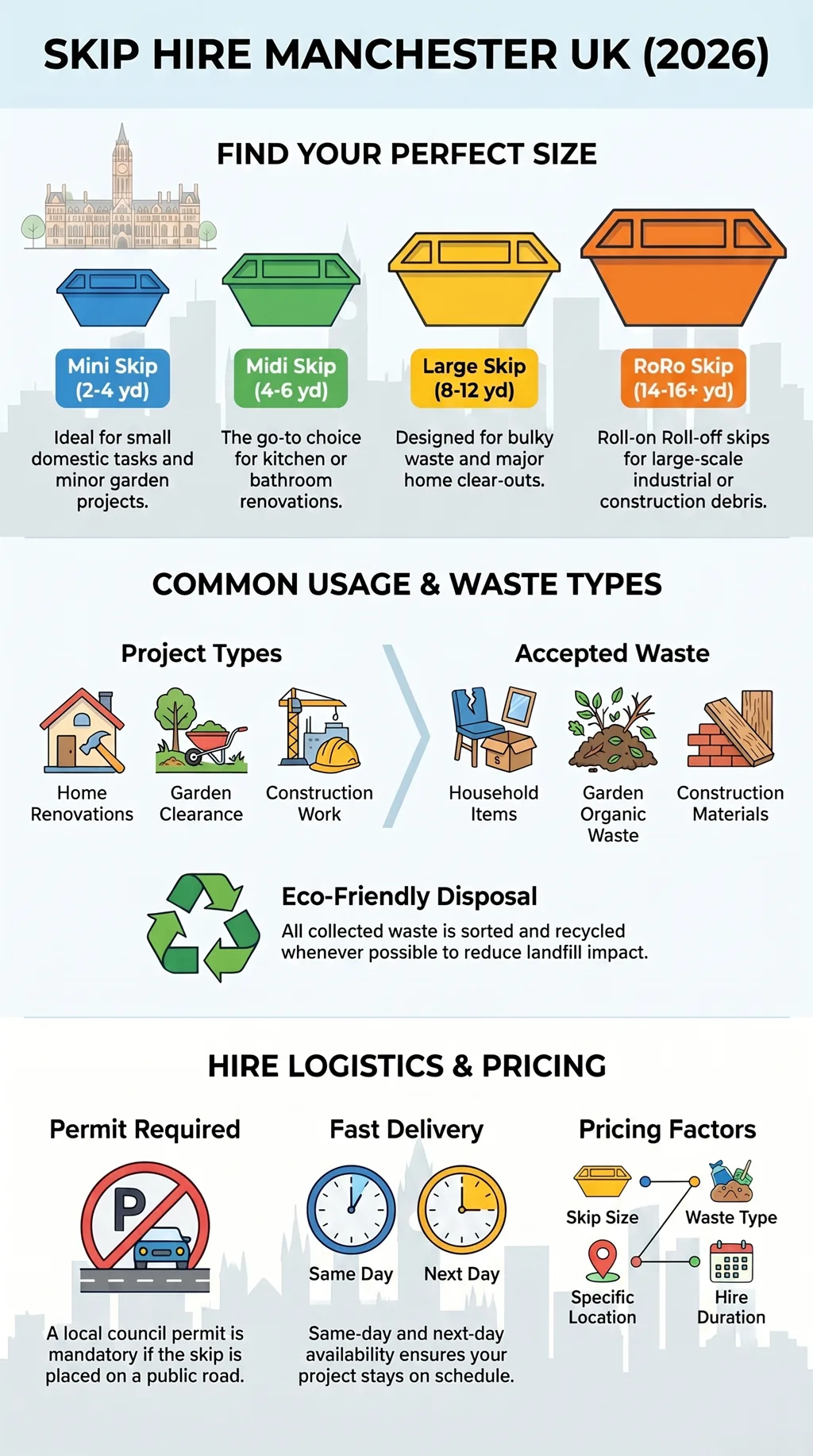
Skip hire is usually chosen based on the size of the project and the type of waste being produced. This helps ensure the skip matches the actual needs of the job and keeps waste removal practical.
The goal is to make the decision simple by focusing on project requirements rather than unnecessary options.
Key points include:
Project size and scope
Type and amount of waste
Space available for skip placement
Duration of the hire period
This helps make skip hire selection clearer and more suitable for different types of work.
What Should You Consider Before Booking Skip Hire?
Skip hire is easier to arrange when a few key details are checked in advance. This helps make sure the service fits the project and avoids unnecessary delays during delivery or collection.
Planning ahead also helps match the skip size to the actual waste and ensures there is enough space for safe placement.
A short explanation is included before the list.
Choosing the right skip depends on waste volume and site access.
Correct skip size selection
Waste type suitability
Delivery and collection timing
This helps make the booking process more practical and better suited to the project needs.
How Does the Skip Hire Process Work from Booking to Collection?
Skip hire follows a simple process from booking to final collection. This helps make waste removal easier to manage from start to finish.
The service includes delivery of the skip, safe placement at the chosen location, and collection once it is full or the hire period ends.
Key points include:
Booking and arranging delivery
Skip placement at the agreed location
Collection and proper waste disposal
This process helps keep waste handling straightforward and organised throughout the hire period.
How Does Booking and Delivery Work in Skip Hire?
Skip hire starts with arranging a booking based on the project details and delivery location. This helps ensure the skip is delivered at the right time and to the correct site.
Once the booking is confirmed, the skip is scheduled for delivery according to availability and access conditions at the location.
Key points include:
Booking is arranged based on project details
Delivery is scheduled according to location and availability
Site access is considered for safe placement
This helps make the delivery process smooth and properly organised.
How Does the Skip Collection Process Work?
Skip hire includes a structured collection process that takes place once the skip is full or the agreed hire period has ended. This ensures waste is removed on time and does not remain on-site longer than necessary.
Before collection, the booking is confirmed and scheduled with the provider. The skip is then collected and transported to licensed facilities where the waste is sorted and processed according to disposal regulations.
The process includes:
Booking confirmation is completed before service begins
Skip is delivered to the agreed site
Waste is collected once the skip is full or hire period ends
Waste is transported to licensed facilities for sorting and disposal
This process ensures waste management is handled in an organised, compliant, and efficient way from delivery through to final disposal.
What Areas Does Skip Hire Cover?
Skip hire is available across the city and nearby surrounding areas. This helps support both residential and commercial projects that need waste removal services in different locations.
Coverage also includes wider parts of Greater Manchester, making the service accessible for a range of urban and suburban areas.
Key points include:
Coverage across Manchester city areas
Service available in surrounding districts
Support for Greater Manchester regions
This ensures skip hire is accessible across a wide local area for different types of projects.
What Does Local Coverage Mean for Skip Hire?
Skip hire includes local coverage across both residential and commercial areas. This ensures waste removal services are available for different types of properties and project needs.
It helps support everyday home use as well as business and site-based work across the local area.
Key points include:
Service available in residential neighbourhoods
Support for commercial and business locations
Coverage across mixed-use local areas
This helps ensure skip hire is accessible for a wide range of users in Manchester.
How Does Skip Hire Coverage Work Across Greater Manchester?
Skip hire is also available across nearby districts and towns within the Greater Manchester area. This helps extend access beyond the city centre for different types of projects.
Coverage is designed to support both urban and suburban locations, making waste removal more accessible across a wider region.
A short explanation is included before the list.
Coverage ensures access across both urban and suburban areas.
Manchester city areas
Surrounding districts
Greater Manchester region
This helps ensure skip hire services are available across a broad local area.
FAQ
A skip is usually kept for a few days up to around two weeks, depending on the booking arrangement and project requirements.
Skip size depends on the amount of waste. Smaller home projects often use mini or midi skips, while larger jobs may need bigger sizes.
Yes, but a permit is required when placing a skip on a public road or shared space in Manchester.
Certain items are not allowed, including hazardous materials, chemicals, and some electrical waste.
Not always. If access is clearly arranged, delivery can usually be completed without anyone being present on-site.
What Should You Know Before Booking Skip Hire?
Skip hire in Manchester UK provides a simple way to manage waste from home, construction, and business projects. It helps keep waste organised, safe, and in line with local regulations while reducing the need for multiple trips to disposal sites.
The process is designed to be straightforward from booking through to collection, helping users manage waste in a clear and practical way.
If you are ready to arrange skip hire, you can continue here:Search Skip Hire
References
Related Articles
https://www.searchskiphire.co.uk/blog/domestic-skip-hire/domestic-skip-hire-use-cases/
https://www.searchskiphire.co.uk/blog/skip-types/mini-skip-vs-midi-skip-differences/
https://www.searchskiphire.co.uk/blog/skip-hire-prices/skip-hire-costs-pricing-decisions/
https://www.searchskiphire.co.uk/blog/skip-waste-types/waste-types-items-restrictions/
Filed under:
Skip Hire