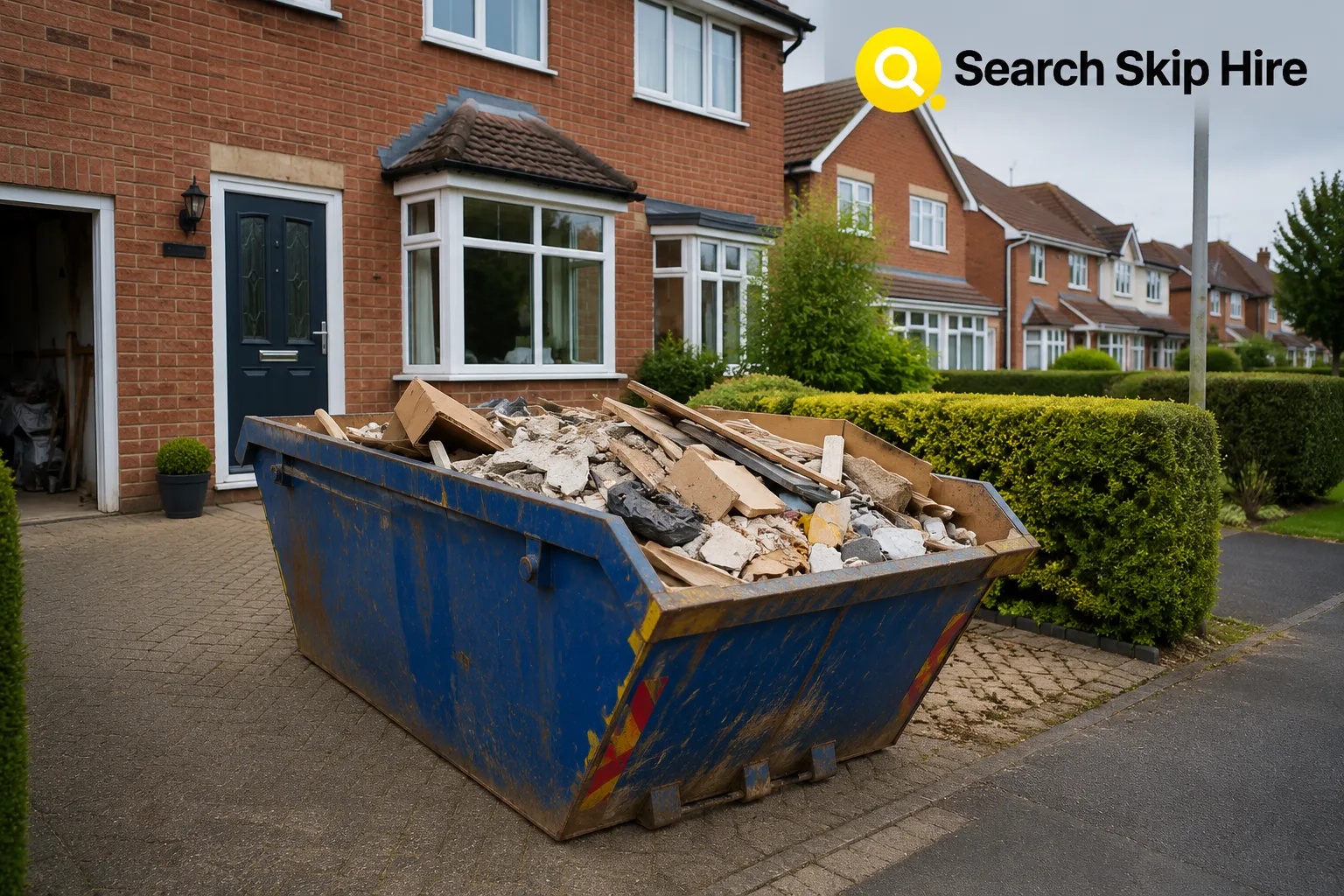
Skip hire in Lincoln provides a practical solution for managing waste from home improvements, garden clearances, renovations, and construction projects.
A suitable skip helps keep waste contained, supports a cleaner work area, and simplifies disposal throughout a project. In Lincoln, options are available for both domestic and commercial waste, while permit requirements may apply for skips placed on public roads.
Understanding skip sizes, waste types, recycling practices, and local permit rules in Lincoln can make the process easier and help you choose the right option for your project. Continue reading for a clear guide to skip hire in Lincoln, or explore available options through Search Skip Hire.
What Should Be Known Before Arranging Skip Hire?
These points highlight the most important information to know before arranging skip hire.
A range of skip sizes is available for household, commercial, and construction waste removal.
Permit requirements may apply when a skip is positioned on a public road or other public land.
Collected waste may be sorted, recycled, and processed in line with waste management regulations.
How Can Skip Hire Help with Domestic and Commercial Waste Removal?
Skip hire provides a practical solution for managing waste from a wide range of projects. From garage clearances and home improvements to property refurbishments and construction work, a skip offers a convenient way to keep waste contained and organised throughout the project.
“A skip is a large open-topped waste container designed for loading onto a special type of lorry.” - Wikipedia
A skip creates a simple way to collect and store waste in one place during ongoing work. This helps keep spaces clearer and makes disposal easier to manage across different types of projects.
Why Choose Skip Hire?
Many projects produce more waste than expected. Renovations, garden clearances, and building work can quickly create large amounts of rubbish that need a reliable disposal solution.
A skip creates a dedicated space for waste from the start of a project until completion. Keeping materials in one location can help reduce clutter, improve organisation, and make waste removal more straightforward.
Common uses for skip hire include:
Home renovations
Garden clearance projects
Garage clearances
Property refurbishments
Construction work
Who Can Benefit from Skip Hire Services?
Skip hire can support a variety of residential, commercial, and construction projects. Different types of work generate different amounts of waste, making flexible disposal options useful in many situations.
For a clearer breakdown of suitable users and project types, see Who should use skip hire services for more context on when skip hire becomes the most practical option.
Common applications include:
Domestic waste removal
Commercial waste management
Construction waste disposal
Property clearances
Landscaping projects
A dedicated waste container can help maintain a cleaner and more organised working environment while a project is underway.
Which Areas Can Access Local Skip Hire Services?
Waste removal requirements often extend beyond a single town, especially when projects cover residential, commercial, and construction sites across nearby communities. This creates demand for local skip hire services across multiple surrounding areas where delivery and collection are required.
Common local searches include:
Skip hire Lincoln
Skip hire near Lincoln
Lincolnshire skip hire
Skip hire East Lincolnshire
Skip hire North Lincolnshire
Skip hire North Hykeham
Skip hire Waddington
Skip hire Branston
Skip hire Saxilby
Skip hire Nettleham
Checking service availability across nearby villages and suburban areas can help ensure suitable skip sizes and flexible delivery coverage for different project locations.
How Does Skip Hire Coverage Compare Across Nearby Areas?
Waste removal demand often varies between different towns and regions, particularly when comparing service availability, delivery times, and skip size options. Some locations have a wider choice of providers, while others rely on more limited local coverage, which can influence pricing and scheduling flexibility.
Comparing services across locations, including Lincolnshire and neighbouring cities, helps identify differences in provider availability, lead times, operational coverage, and skip size options. This type of comparison is useful when planning projects that require reliable waste collection across different regions.
For a broader regional comparison, reviewing skip hire Derby UK services alongside those available in other parts of the UK provides a clearer understanding of differences in pricing, skip size availability, delivery efficiency, and overall service coverage across urban and suburban areas.
Common comparison points include:
Range of available skip sizes per region
Average delivery and collection times
Permit requirements and local regulations
Pricing variations between cities
Provider density and service competition
Evaluating multiple locations side by side can help identify where more flexible or cost-efficient skip hire options may be available depending on project needs and timing.
Which Skip Size Is Suitable for a Project?
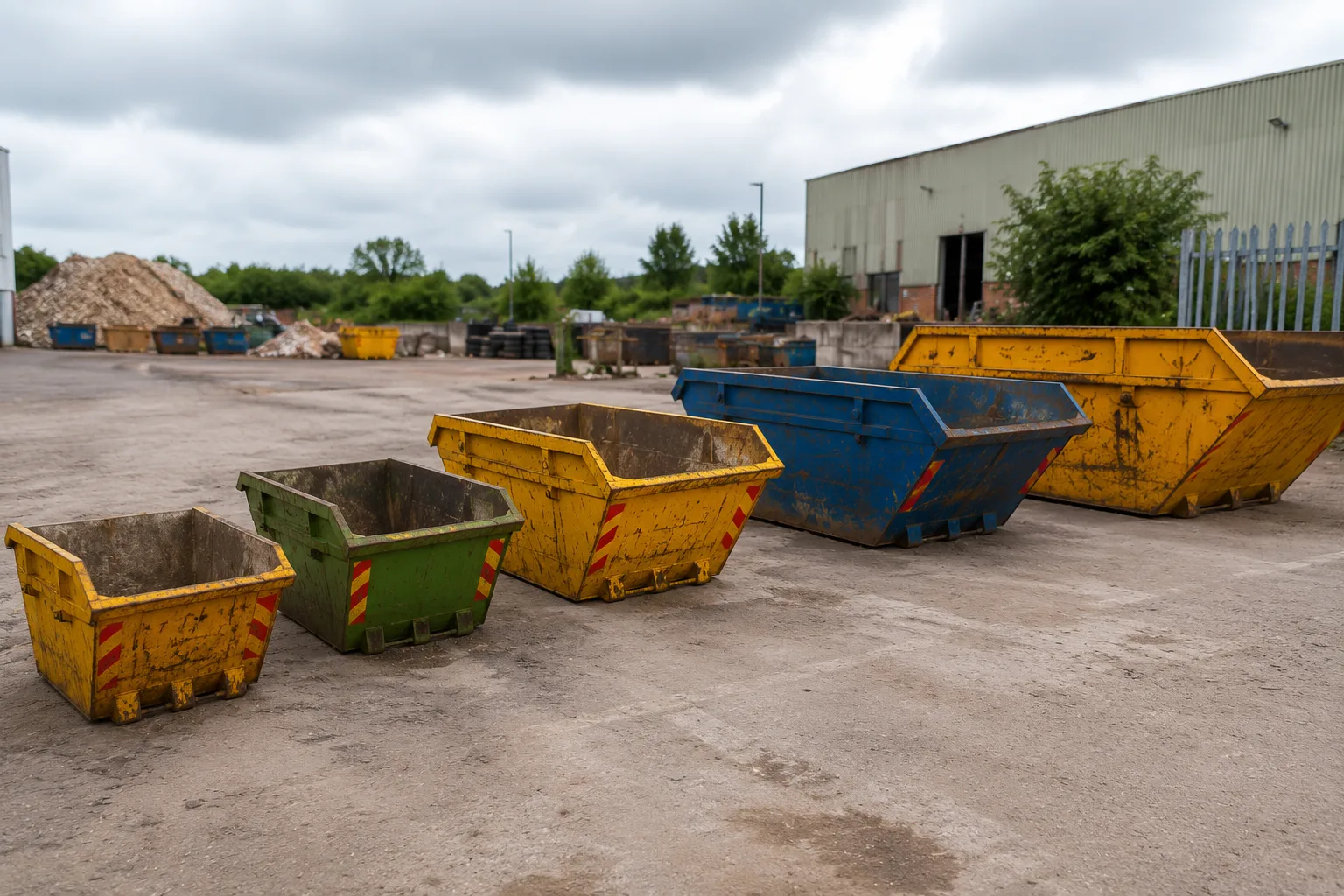
Choosing the right skip size can make waste removal more straightforward and help avoid running out of space before a project is complete. The most suitable option usually depends on the type of work being carried out and the amount of waste expected.
For a clearer overview of available options, see Different skip types explained simply for an easy breakdown of how each skip size works in practice.
When Is a Mini Skip Suitable?
Smaller projects often require a compact skip that can handle light volumes of waste without taking up too much space.
Mini skips may be suitable for:
Small DIY projects
Garden maintenance
Minor household clearances
Small renovation tasks
A smaller skip can be a practical choice when waste volumes are limited.
When Is a Midi Skip a Better Option?
Some projects create more waste than a mini skip can comfortably accommodate. In these situations, a midi skip may provide additional capacity while remaining suitable for many residential properties.
Common uses may include:
Kitchen updates
Bathroom renovations
Flooring replacement
Medium-sized property clearances
Choosing a larger size can help reduce the risk of running out of space during the project.
When Is a Builders Skip Suitable?
Building and renovation projects often generate heavier materials and larger amounts of waste.
Builders skips are commonly used for:
Rubble
Bricks
Concrete
Timber
Mixed construction waste
This option is often considered for projects involving significant building or refurbishment work.
What Skip Sizes Are Available?
Different projects require different levels of capacity, which is why multiple skip sizes are available.
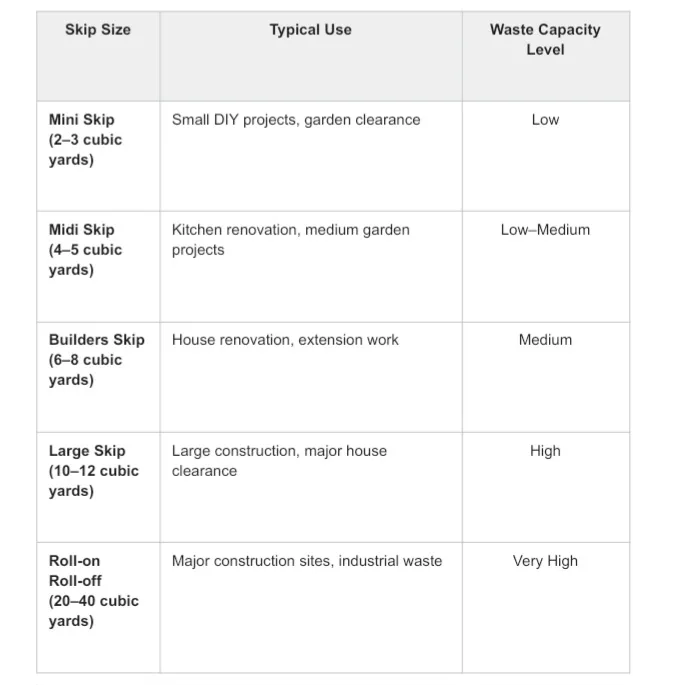
This breakdown helps connect skip size options with real project needs, making it easier to choose the most suitable capacity without overestimating or underestimating waste volume.
Why Should Waste Type Be Considered When Choosing a Skip?
The type of waste can be just as important as the amount being removed. Heavy materials can fill a skip differently from lighter household waste.
Common heavy materials include:
Soil
Hardcore
Rubble
Concrete
Aggregate waste
Considering both waste type and waste volume can help when deciding which skip size is most appropriate for a project.
What Types of Waste Can Be Placed in a Skip?
Understanding which materials are commonly accepted can help make waste disposal simpler and reduce the risk of loading unsuitable items into a skip.
What Household Waste Is Commonly Accepted?
Home improvements, decluttering projects, and property clearances often generate a mixture of everyday waste that can be difficult to manage through regular household bins alone.
Common household waste may include:
Furniture
Clothing
Cardboard
Toys
General household rubbish
A skip can provide a convenient solution for keeping household waste contained during larger clearance or renovation projects.
What Garden Waste Can Go into a Skip?
Garden projects can quickly produce large amounts of green waste, especially during seasonal maintenance or landscaping work.
Common garden waste may include:
Grass cuttings
Leaves
Branches
Hedge trimmings
General green waste
Keeping garden waste in a dedicated skip can help maintain a tidier outdoor workspace while the project is underway.
What Construction and Building Materials Are Commonly Accepted?
Renovation and construction projects often create heavier materials that require a suitable waste management solution.
Common building waste may include:
Bricks
Tiles
Rubble
Timber
Aggregate waste
Gravel
Crushed concrete
Mixed building materials
Using a skip for construction waste can help keep the site organised and support safer working conditions.
Which Items Are Usually Not Allowed in a Skip?
Certain materials require specialist handling because of environmental regulations, safety requirements, or disposal restrictions. These items are often subject to separate collection and treatment procedures.
Restricted items may include:
Hazardous chemicals
Paint products
Gas cylinders
Asbestos-containing materials
Solvents
Clinical waste
Tyres
Certain electrical items
The disposal process for hazardous materials often differs from standard waste collection. Checking restrictions before loading a skip can help prevent delays and ensure waste is handled appropriately.
How Does Responsible Waste Management Support Skip Hire?
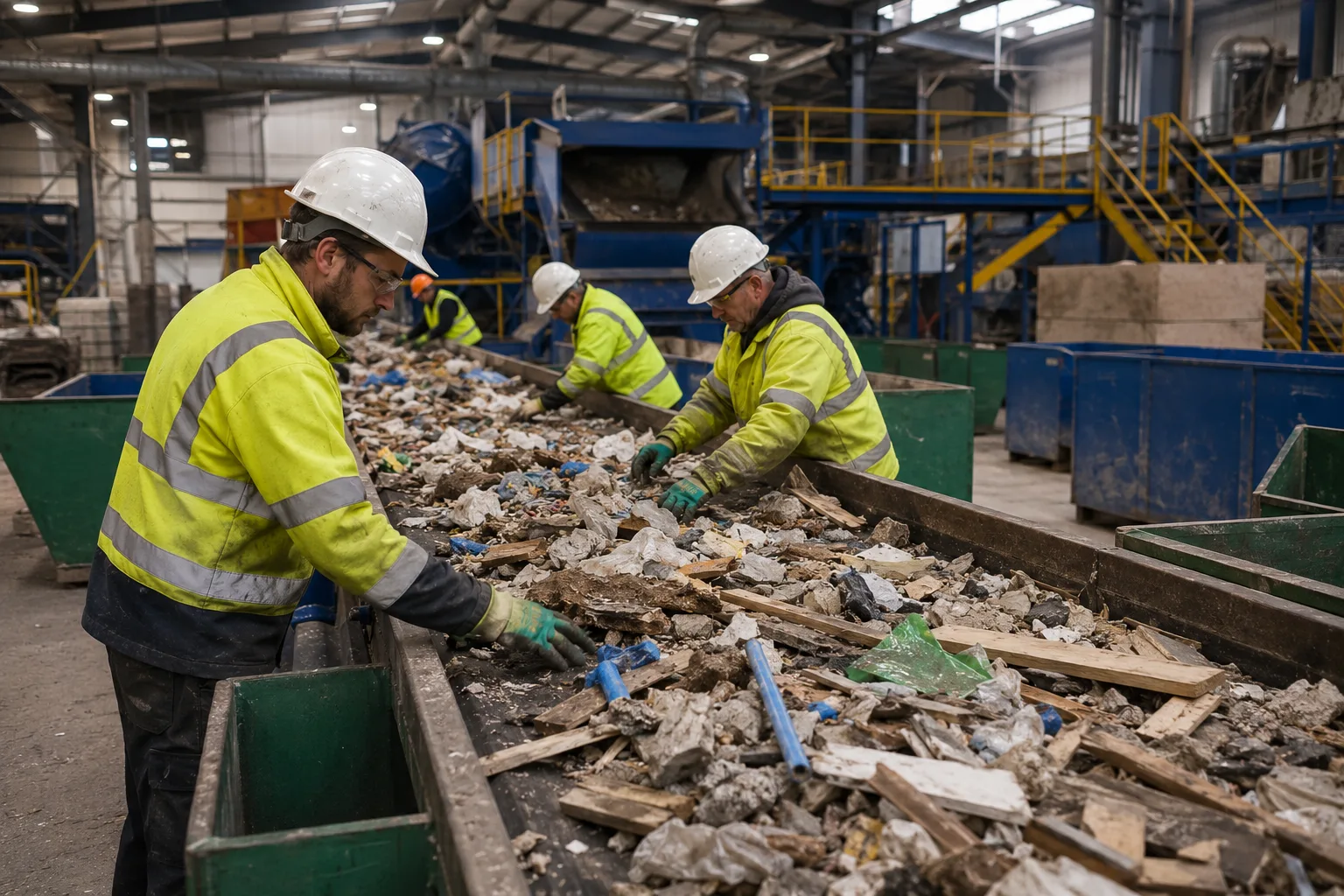
Waste management involves more than simply removing rubbish from a property or work site. Understanding how waste is handled after collection can help make the disposal process easier to understand and support more responsible waste practices.
Why Are Licensed Waste Carriers Important?
Waste collection and transportation are subject to legal requirements designed to support safe and responsible waste handling.
Important considerations may include:
Licensed waste carrier requirements
Duty of care responsibilities
Safe waste transportation
Waste handling procedures
Environmental compliance requirements
These measures help support responsible waste management throughout the collection and disposal process.
“You must use a registered waste carrier to dispose of your business waste” - UK Government
What Role Do Waste Management Regulations Play?
Waste management regulations help establish standards for handling different types of waste safely and appropriately.
Key areas may include:
Waste classification
Environmental compliance
Safe storage practices
Waste handling procedures
Regulatory requirements
Following relevant regulations helps support responsible waste disposal and environmental protection.
What Happens to Waste After Collection?
Once collected, waste may go through several stages before final disposal or recovery.
The process may involve:
Transportation to a waste transfer station
Sorting different materials
Mixed waste recycling activities
Recovery of recyclable materials
Preparation for further treatment or disposal
These steps can help identify materials that may be suitable for recycling or recovery.
Why Does Recycling Matter in Waste Management?
Recycling plays an important role in reducing the amount of waste that requires final disposal. Many materials collected through waste management processes may be suitable for recovery and reuse.
Common recyclable materials may include:
Cardboard
Metal
Plastic
Wood
Certain construction materials
Supporting recycling and material recovery can help improve recycling rates and encourage more efficient use of resources.
How Can a Skip Be Hired for a Project?
Understanding the hiring process can make waste management easier and help prevent delays once work begins. A little planning beforehand can help ensure the right skip is available when needed.
How Can the Right Skip Size Be Chosen?
Selecting an appropriate skip size depends on the amount and type of waste expected during a project. Choosing carefully can help avoid running out of space before the work is complete.
Important considerations include:
Waste volume
Waste type
Available space
Project duration
Material weight
Taking these factors into account can help match a skip to the needs of a specific project.
What Factors Can Affect a Skip Quote?
Skip hire costs can vary depending on several project requirements. Understanding the factors involved can make budgeting more straightforward before requesting a quote. While every project is different, the table below provides a general overview of the typical skip hire price ranges available in Lincoln.
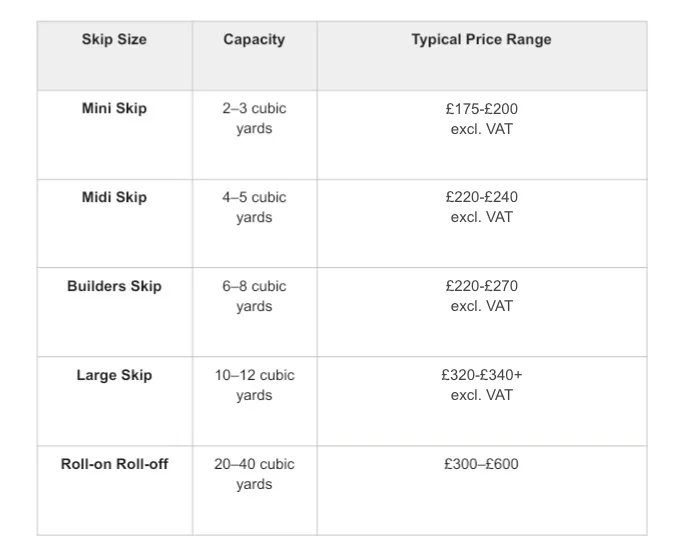
Typical price ranges are based on skip hire providers serving the Lincoln area and may vary depending on hire duration, waste type, delivery location, permit requirements, and seasonal demand.
Several factors may influence the final skip hire quote beyond the guide prices shown above, including:
Skip size
Hire period
Waste type
Permit requirements
Collection arrangements
Reviewing these details before booking can provide a clearer picture of overall costs and help ensure the selected skip matches both the project requirements and the available budget.
How Are Delivery and Collection Arranged?
Planning delivery and collection dates can help keep a project organised from start to finish. Arrangements are typically made around project requirements and site access considerations.
Common arrangements may include:
Skip delivery
Skip collection
Flexible collection dates
Suitable placement locations
Scheduling these services in advance can help waste removal fit more smoothly into the project timeline.
When Might Same Day or Next Day Skip Hire Be Useful?
Some projects create waste unexpectedly or require disposal solutions within a short timeframe. In these situations, faster delivery options may be beneficial where available.
Available options may include:
Same day skip hire
Next day skip hire
Emergency skip hire
Urgent skip hire
Checking availability early can help identify suitable options and preferred delivery times.
How Do Skip Permits Work for Waste Collection?
Skip permits may be required depending on where a skip is placed during a project. Understanding when a permit is needed can help avoid delays and ensure the skip is positioned in a suitable location.
When Is a Skip Permit Required?
Permits are usually needed when a skip is placed on public land rather than private property. This helps ensure public spaces remain safe and accessible.
Common situations may include:
Public roads
Streets
Public parking areas
Shared access routes
Private property locations often provide a simpler option without additional permit requirements.
“You must apply for a permit if you want to place a skip on a public highway or verge.” - Lincolnshire County Council
How Does the County Skip Permit Process Work?
Understanding the official county highway permit process can help clarify approval requirements, lead times, and safety conditions before skip placement.
The process typically involves:
Applying through the local highway authority portal
Providing skip size and location details
Confirming placement safety requirements
Allowing processing time before delivery approval
In most cases, approval times depend on workload and road category, so early planning helps prevent project delays.
What Should Be Considered for Skip Hire With a Permit?
Permit requirements can vary depending on placement location and local guidelines. Planning ahead can help reduce delays during delivery and setup.
Understanding the Council skip permit process can help clarify approval steps and timing requirements.
Common considerations may include:
Approval requirements
Placement conditions
Safety measures
Processing times
Allowing time for these factors can help ensure smoother skip placement arrangements.
Where Can a Skip Be Placed?
The placement of a skip can affect both convenience and accessibility during a project. Choosing the right location can also influence whether a permit is required.
Possible placement options include:
Driveways
Back gardens
Front gardens
Rear gardens
Public roads
Selecting a suitable and safe location can help support efficient loading and safer site conditions throughout the hire period.
What Are Common Uses for Skip Hire?
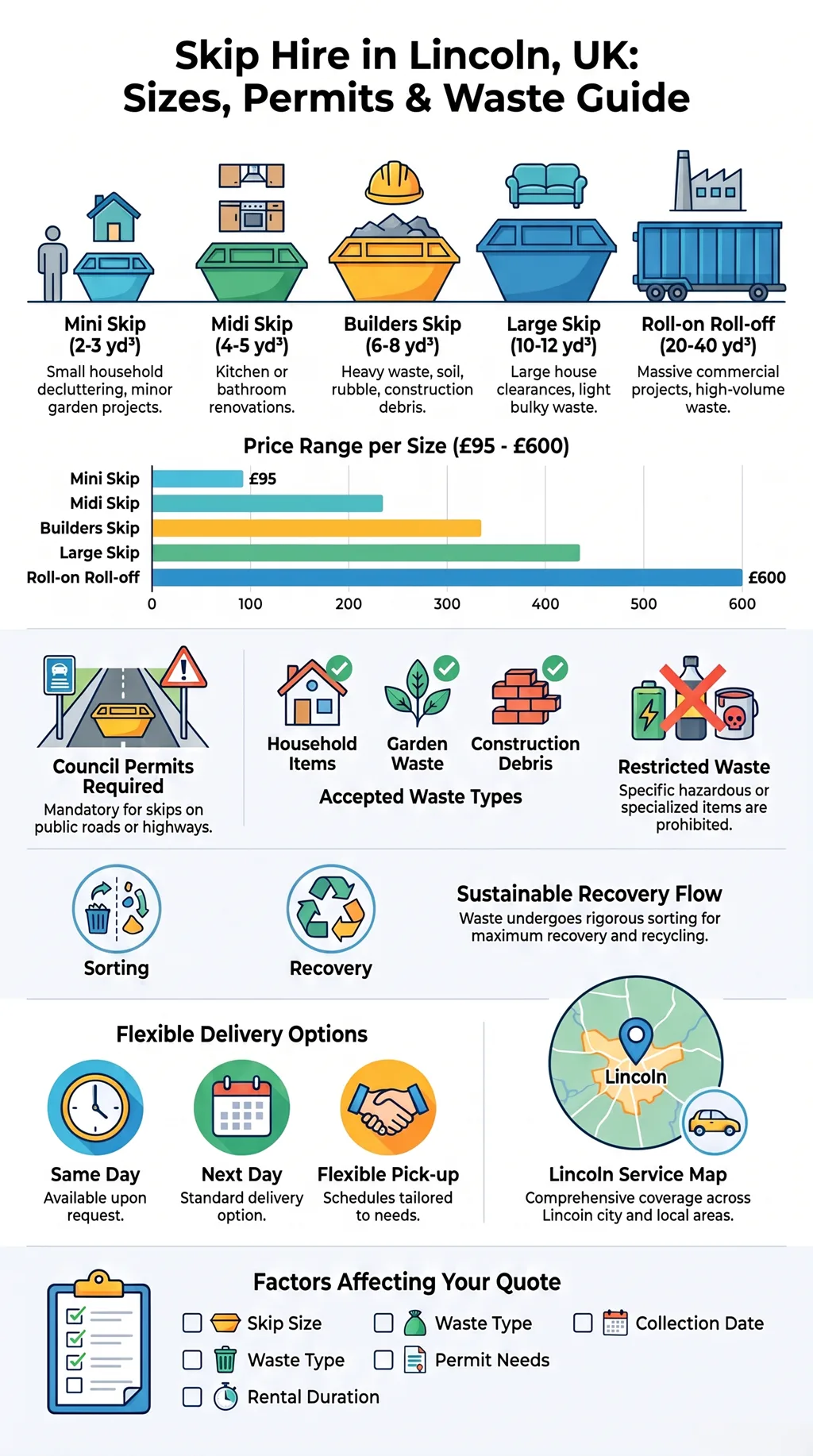
Skip hire can support a wide range of projects where waste builds up quickly and needs to be managed in one place. Having a skip on site can help keep areas organised and reduce clutter during ongoing work.
What Happens During a House Clearance?
House clearances often produce a mixture of items that can be difficult to dispose of through regular waste collection services. A skip can help keep everything in one place during the process.
For renovation-related projects, Skip hire for home renovation waste can provide a practical way to manage larger volumes of mixed materials in a controlled space.
Common house clearance waste may include:
Furniture
Clothing
Household items
General rubbish
A skip can make it easier to manage mixed waste while clearing a property.
What Is Involved in a Garage Clearance?
Garages often become storage spaces for unused or broken items over time. Clearing them out can generate a surprising amount of waste.
Typical garage clearance waste may include:
Old tools
Packaging materials
Broken equipment
General storage items
A skip provides a simple way to dispose of unwanted items while sorting through stored belongings.
What Happens During an Office Clearance?
Office clearances and refurbishments can create large volumes of waste that need to be managed efficiently to avoid disruption.
Common office waste may include:
Furniture
Fixtures
Packaging
Refurbishment materials
Proper waste management can help maintain a more organised working environment during office changes.
How Is Business Waste Managed with Skip Hire?
Commercial projects often generate ongoing waste that needs consistent and reliable disposal throughout the work period.
Business waste may include:
Packaging materials
Refurbishment waste
Building materials
General commercial waste
Using a skip can help keep work areas cleaner and support more efficient project management.
FAQ
Mini skips are generally suitable for small home projects involving light waste volumes. Typical applications include minor DIY work, garden maintenance, and small household clearances. Capacity usually ranges between 2–3 cubic yards, making them suitable for limited disposal needs.
A skip permit is required when placement occurs on public roads, pavements, or other council-managed land. Private property placements such as driveways or enclosed land typically do not require a permit. Approval is issued by the relevant local authority prior to installation.
Skip hire pricing is determined by multiple factors, including skip size, waste type, hire duration, delivery location, and permit requirements. Larger skips and heavier waste types generally result in higher costs, while shorter hire periods and easier access conditions may reduce overall pricing.
Commonly accepted materials include household items, furniture, cardboard, garden waste, soil, wood, bricks, rubble, and general construction debris. Hazardous materials such as asbestos, chemicals, gas cylinders, and clinical waste are typically restricted and require specialist disposal services.
Standard hire periods usually range from 1 to 2 weeks depending on the provider and project requirements. Extensions may be available if additional time is needed, subject to availability and possible additional charges. Permit conditions may also influence permitted duration when placed on public land.
How Does Skip Hire Support Effective Waste Management?
Skip hire provides a simple way to manage waste from home projects, business work, and construction jobs. Choosing the right skip size and understanding basic placement rules helps keep waste organised and easy to manage during a project. Planning ahead also helps reduce disruption and makes disposal more straightforward.
Permit requirements, weight limits, and general waste handling rules support safe and correct skip use. In many cases, collected waste may be sorted and recycled where possible, helping reduce landfill use. For more information or to explore available options, visit Search Skip Hire.
References
Related Articles
https://www.searchskiphire.co.uk/blog/skip-hire/who-should-use-skip-hire-services/
https://www.searchskiphire.co.uk/blog/skip-types/different-skip-types-explained-simply/
https://www.searchskiphire.co.uk/blog/domestic-skip-hire/skip-hire-for-home-renovation-waste/
https://www.searchskiphire.co.uk/blog/skip-permits/council-skip-permit-process/
https://www.searchskiphire.co.uk/blog/skip-hire/skip-hire-derby-uk/
Filed under:
Skip Hire