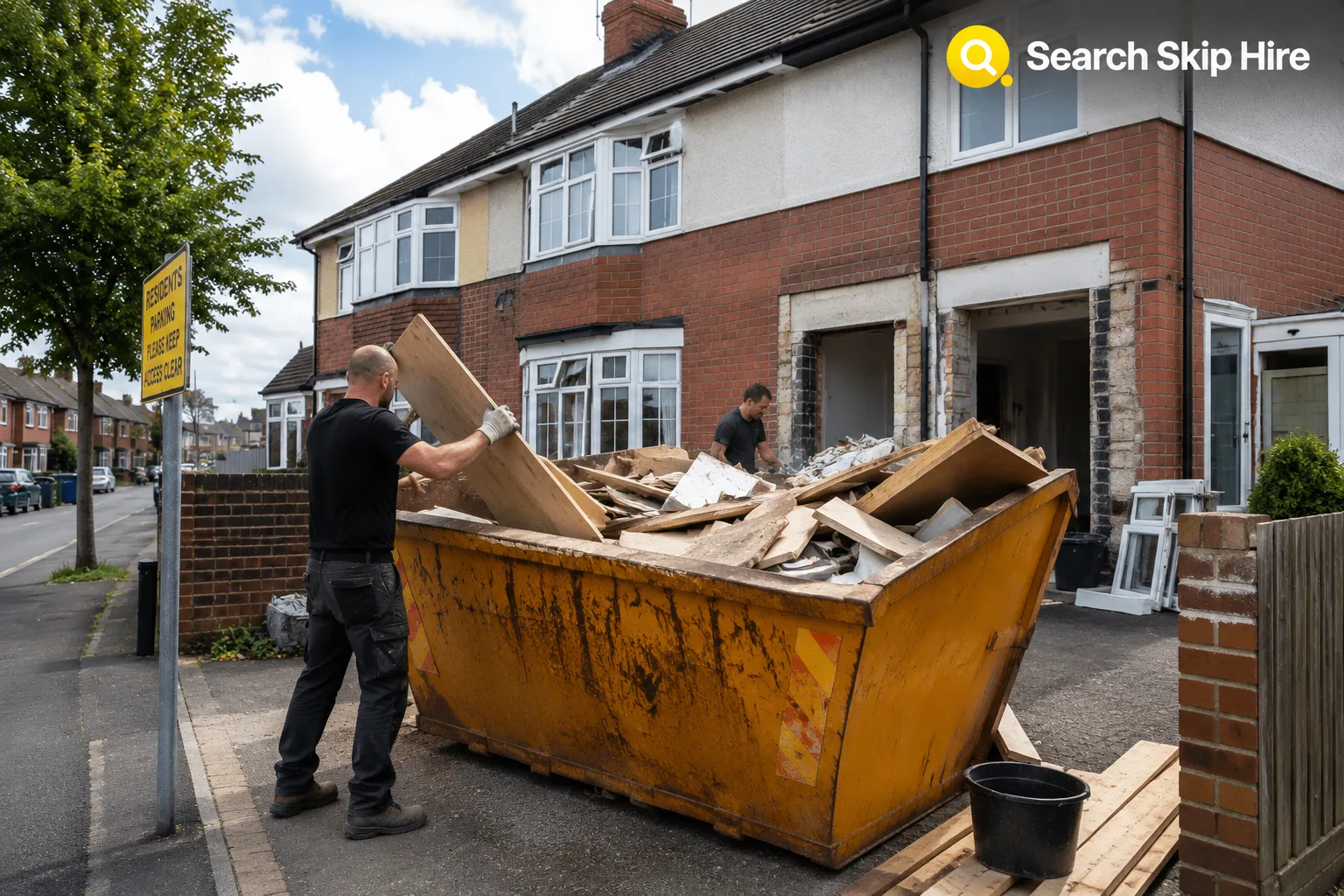
Skip hire in Derby UK provides a container for collecting waste from home, garden, and construction projects, helping reduce trips to disposal sites and improving project efficiency.
Derby City Council regulates permits and placement, especially for skips on public roads or shared spaces, requiring approval to avoid fines.
Most residential properties use driveways to bypass permit delays. Understanding skip sizes, permits, and costs before booking helps avoid extra charges. For local options, visit Search Skip Hire to find Derby services.
What Are the Most Important Things to Remember About Skip Hire?
Skip hire is easier when a few key points are understood before booking. Good planning helps avoid extra costs, delays, and waste handling issues.
Skip hire helps manage waste more efficiently
Permits are needed if the skip is placed on a public road
Costs depend on size, location, duration, and waste type
Main sizes include mini, midi, builders, and large skips
Choosing the right skip size early helps keep the project organised and prevents overfilling or unnecessary expenses
What Is Skip Hire?
Skip hire is a service that provides a large container for collecting waste during home, garden, or construction projects. It allows all rubbish to be placed in one container instead of making repeated trips to disposal sites, helping keep work areas cleaner and easier to manage.
In simple terms, the skip is delivered, filled during the project, and collected once it is full or the work is complete.
Quick summary:
One container for all project waste
Suitable for home, garden, and construction work
Simple delivery, filling, and collection process
Helps keep sites clean and organised
How Does Skip Hire Work Step by Step?

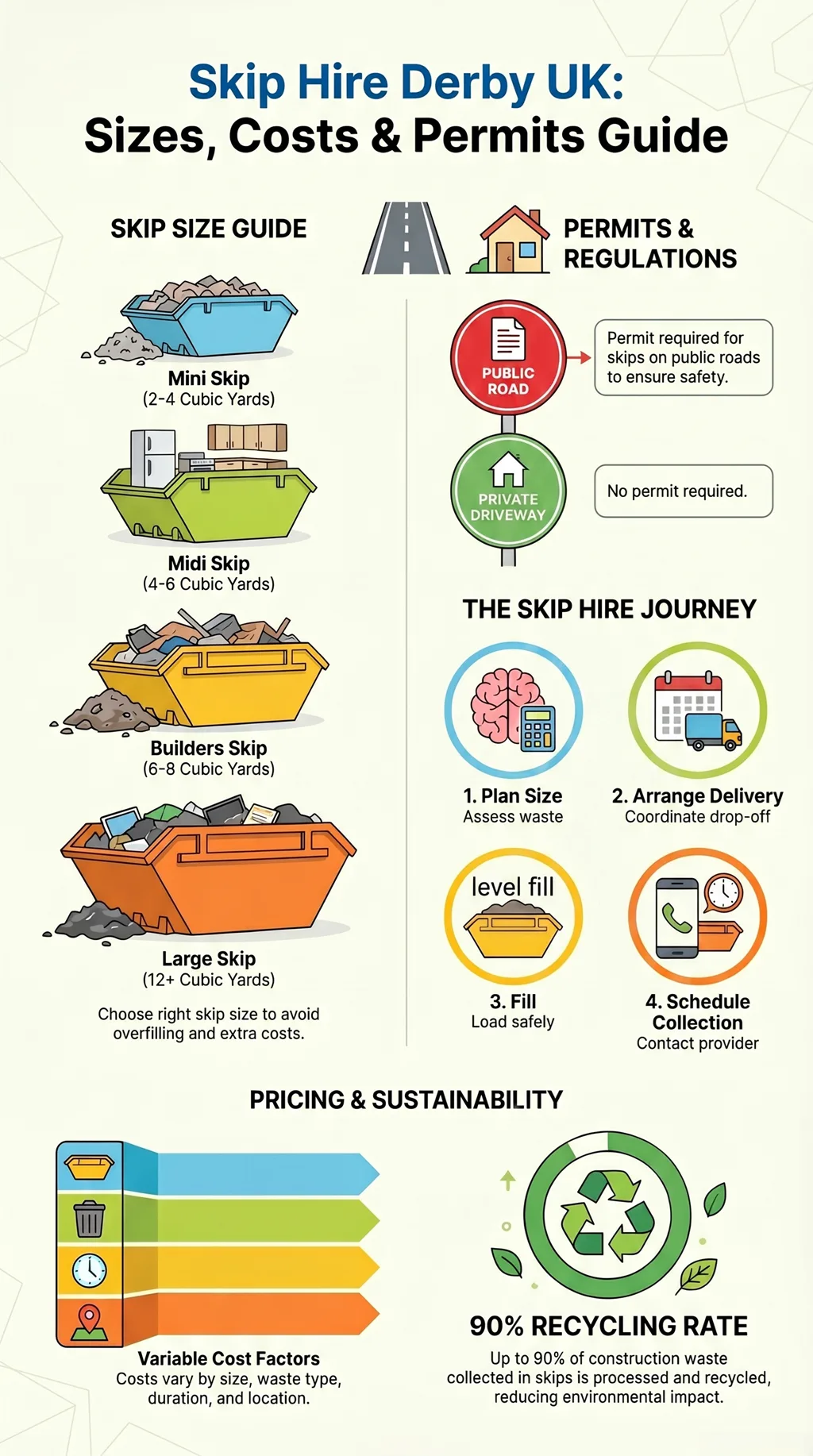
Skip hire follows a simple and clear process that makes waste management more organised and easy to handle. Each step is straightforward, from selecting a skip to arranging collection after the work is completed. It helps keep the project running smoothly while waste is managed in the background.
In most cases, the process follows a clear flow: plan the skip size first, arrange delivery, fill the skip during the project, and then schedule collection when everything is finished. This structure helps avoid delays and keeps everything on track.
How Is the Right Skip Size Chosen for a Project?
The first step is estimating how much waste the project will produce. This helps match the skip size to the amount of work, so there is enough space without paying for more than needed.
Common skip options include:
Mini skips for small household cleanups
Midi skips for medium renovation work
Builders skips for larger construction jobs
Choosing the right size from the start helps keep waste under control and prevents overflow issues.
How Is a Suitable Delivery Date Selected for Skip Arrival?
A delivery date is chosen based on when the project begins. This ensures the skip arrives at the right time, so work can start without waiting.
A few practical factors are usually considered:
Project start date and timeline
Available space for skip placement
Expected duration of skip use
Planning this properly helps avoid disruptions during the project.
How Is a Skip Filled in a Safe and Organised Way?
Waste should be loaded carefully to keep the skip stable and safe for transport. Proper loading also makes collection easier and more efficient.
Good practice includes:
Placing heavier items at the bottom
Distributing waste evenly across the skip
Keeping all materials below the top edge
This approach helps ensure the skip can be collected safely without any issues.
How Do We Arrange Skip Collection Once the Work Is Finished?
When the project is complete, we arrange for the skip to be collected. The container is then removed and the waste is taken away for sorting and disposal.
This step helps us clear the site quickly so we can move on to the next stage of work without leftover debris.
What Happens to Waste After Skip Collection?
After collection, the waste is taken to a sorting facility. Materials are separated so recyclable items can be recovered and reused.
This process helps:
Reduce landfill waste
Improve recycling rates
Support more responsible waste handling
What Are the Key Benefits of Skip Hire?
Local skip hire provides a simple way to manage waste without extra steps or complications. It helps handle rubbish from different projects in one place, with better control and less effort. Because the service is arranged locally, it is usually easier to plan delivery and collection around the project schedule.
It also works well for many types of work, from small home tasks to larger projects. This keeps waste management consistent and makes it easier to stay organised while work is ongoing.
What Makes Local Skip Hire Suitable for Different Project Types?
Skip hire can be used for a wide range of everyday projects without needing different systems for each one. This keeps the process simple and easy to manage.
Common uses include:
Home clear-outs and small renovations
Garden waste and outdoor cleanups
Light commercial or construction work
This flexibility allows different types of waste to be handled in one straightforward process.
How Do Flexible Hire Periods Support Different Projects?
Flexible hire periods make it easier to match the skip to the pace of the work. There is no need to rush, and the skip can be kept for as long as the project requires.
This is helpful because:
Short projects can use the skip for a limited time
Longer renovation work can extend the hire period
Timing can be adjusted based on project progress
It allows the work to continue at a steady and comfortable pace.
Is Same-Day Skip Hire Available?
Same-day or next-day skip hire may be available depending on location and demand. This option is useful when waste needs to be removed quickly and the project cannot wait for a standard booking slot.
Common use cases:
Emergency house clearances
Sudden renovation waste buildup
Construction delays that require fast waste removal
Availability can vary, so it is usually best to book as early as possible to secure the preferred time.
How Easy Is Booking and Scheduling Local Skip Hire?
Booking a local skip is simple and direct. The required size is selected, a delivery time is set, and collection is arranged once the work is finished.
In practice, this helps to:
Start projects without delays
Align delivery with the project timeline
Keep scheduling clear and easy to follow
Overall, it creates a smooth process from delivery to collection.
What Skip Sizes Are Available?
Choosing the right skip size in Derby UK helps match the amount of waste with the right container. This makes waste removal more efficient, avoids overfilling, and prevents paying for unused space.
Each skip size is designed for different types of projects, from small home cleanups to large commercial work.
How Do We Compare Skip Sizes?
Skip sizes are usually compared based on waste volume and project type. Smaller skips suit light household tasks, while larger skips are used for construction and bulk waste removal.
Quick comparison:
Mini skip = small home or garden waste
Midi skip = medium renovation projects
Builders skip = heavy construction waste
Large skip = commercial or large-scale clearances
What Is a Mini Skip Used For?
A mini skip is the smallest option and is suitable for light waste. It is commonly used when space and waste volume are limited.
Typical uses:
Small home clear-outs
Garden waste like leaves and branches
Light DIY projects
What Is a Midi Skip Used For?
A midi skip is a mid-range option that handles more mixed waste from home improvement projects. It offers more space while still being manageable for residential use.
Typical uses:
Kitchen or bathroom upgrades
Medium home renovations
General household waste
What Is a Builders Skip Used For?
A builders skip is designed for heavier materials from construction or renovation work. It is commonly used on building sites where waste is more demanding.
Typical materials:
Bricks and rubble
Soil and hardcore
Construction debris
What Is a Large Skip Used For?
A large skip is used for high-volume waste and commercial projects. It is suitable when large amounts of material need to be removed in one go.
Typical uses:
Office or site clearances
Large renovation projects
Bulk waste disposal
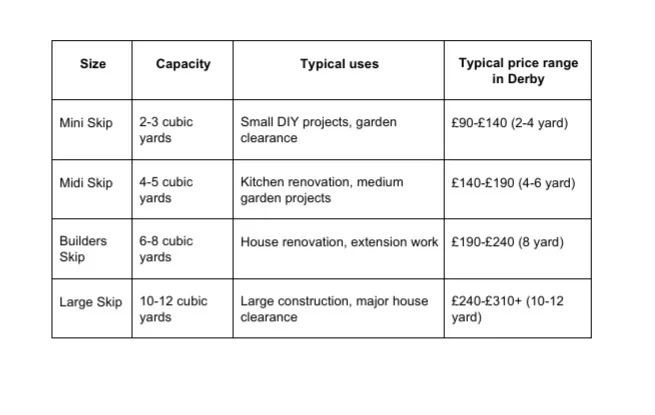
Skip Size Comparison Table (Quick Decision Guide)
To make it easier to compare each option at a glance, the table below brings all skip sizes together in one simple view. This helps match the right skip to the type of work without confusion, especially when planning a home, garden, or construction project.
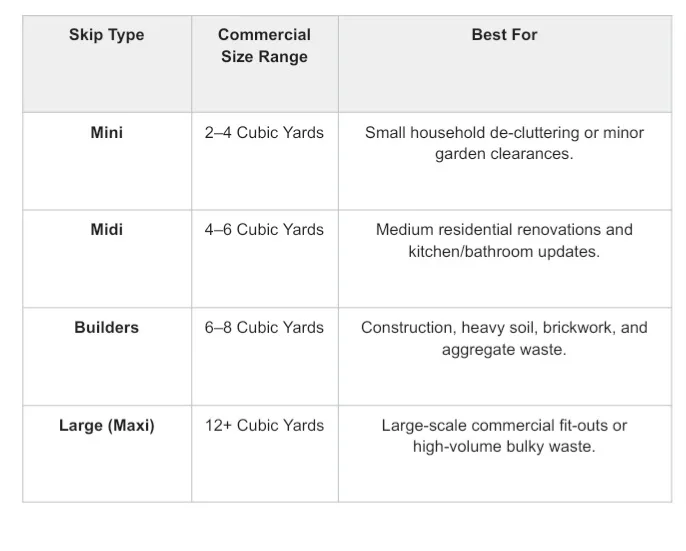
This overview works as a quick guide before choosing a skip, helping ensure the size fits the amount and type of waste being handled.
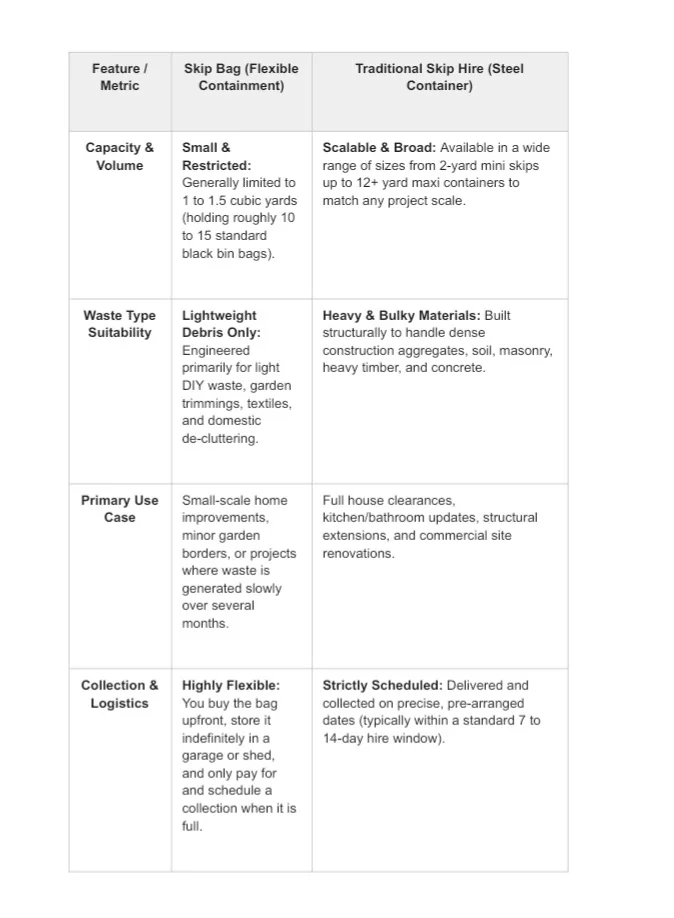
Skip Bags vs Traditional Skips: Which One Is Better in Derby UK?
Skip bags are a lightweight alternative to traditional skips, but they are more limited in capacity and collection handling.
Which Skip Size Should Be Chosen for a Project?
The right skip size depends on how much waste will be produced and the type of project being carried out. Smaller projects usually need mini or midi skips, while construction and commercial work require builders or large skips.
Key decision points:
Amount of waste expected
Type of materials being disposed
Available space for placement
Project duration and scale
Why Does Choosing the Right Skip Size Matter?
Selecting the correct skip size helps keep the project efficient and cost-effective. It reduces the risk of overfilling and avoids paying for unused capacity.
Main benefits:
Prevents overfilling issues
Improves cost efficiency
Makes waste handling easier
Keeps the project organised
What Are Domestic Skip Hire Use Cases?

Domestic skip hire use cases show how skips help with everyday home projects where waste can build up quickly. It provides a simple way to manage different types of household rubbish in one place, making home cleanups more organised and easier to handle.
In most home situations, a skip is used to reduce clutter and avoid repeated trips to the disposal site. This helps keep the process practical, especially when handling larger or mixed waste during home improvements.
Common domestic uses include:
House clearances when moving or decluttering
Garden waste like soil, branches, and leaves
Loft and garage cleaning projects
Home renovation and repair work
Using a skip at home helps keep the space tidy while making waste removal more efficient and less time-consuming.
What Does a Typical Skip Hire Project Look Like?
A common example is a home renovation project where old kitchen units, tiles, and rubble are placed into a medium-sized skip over several days. Once the work is complete, the skip is collected and the waste is taken for sorting and recycling.
Typical process:
Delivered to a residential driveway
Filled gradually during renovation work
Collected after the project is completed
Waste sorted at a licensed facility for recycling and disposal
This setup helps keep the site clean and makes waste management more efficient throughout the project.
What Can Go in a Skip in the UK?
A skip in the UK is used for general non-hazardous waste from home, garden, and construction projects. It helps keep waste in one place so it can be collected and processed safely. However, some hazardous materials are not allowed and must be disposed of separately under UK waste rules.
Understanding What can go in a skip UK is important to avoid disposal issues and ensure everything is handled correctly during collection and sorting.
Allowed items:
Household waste
Furniture
Wood and timber
Bricks and rubble
Garden waste
Not allowed items:
Chemicals and liquids
Batteries
Asbestos
Gas cylinders and hazardous materials
“Waste must be managed without endangering human health or harming the environment.” - UK Environment Agency
How Does Skip Hire Help the Environment?
Skip hire supports responsible waste management by improving recycling rates and reducing landfill waste in the UK.
Environmental impact:
Up to 90% of construction waste can be recycled (industry estimate)
Reduces landfill dependency
Supports reuse of wood, metal, and aggregates
When Is a Skip Permit Required?
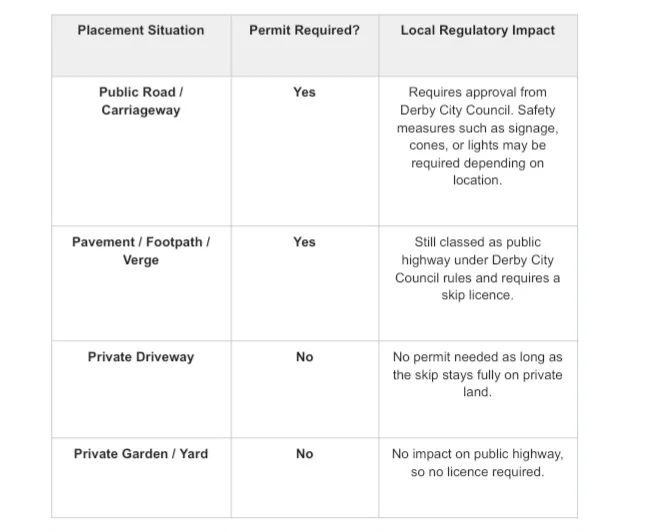
skip permits are managed by Derby City Council under local highway and street licensing rules, in line with the Highways Act 1980. A permit is required when a skip is placed on public land such as a road, pavement, footway, or grass verge to ensure safety, maintain access, and prevent obstruction to road users.
A skip permit is required whenever the skip is placed on public highway areas. However, if the skip is placed on private property such as a driveway or private garden, a permit is usually not needed.
“In Derby, skip permits are managed by Derby City Council under the Highways Act 1980. A permit is required when a skip is placed on the public highway, such as a road, footway, or grass verge, to ensure road user safety and prevent obstructions.” - Derby City Council Skip Licence
How Does Derby City Council Manage Skip Permits?
Skip permits are managed through the local authority system. Approval is required before placing a skip on public roads to ensure safety and traffic control.
“You must follow rules for disposing of hazardous waste safely.” - UK Government
Key points:
Managed by Derby City Council highway licensing
Required for roadside, pavement, or verge placement
Must follow safety conditions (cones, lights, signage if required)
How Do We Know If We Need a Skip Permit?
Permit rules depend on where the skip is placed. The main factor is whether the skip affects public access or traffic movement.
A permit is needed when:
The skip is placed on a public road
The skip may block pedestrians or vehicles
Local council approval is required
A permit is not needed when:
The skip is placed on a private driveway
The skip stays fully within private property
There is no impact on public access
Skip Permit vs No Permit: What Is the Difference?
Understanding the difference helps avoid delays and ensures the skip is placed correctly before delivery.
Why Does a Skip Permit Matter?
A skip permit helps ensure waste is managed safely without blocking public areas. It also ensures compliance with local council rules and avoids fines or removal issues.
Key benefits of following permit rules:
Keeps public areas safe
Prevents delivery delays
Avoids penalties or fines
Ensures smooth skip placement
Skip hire costs in Derby are influenced by local demand, residential activity across areas such as Littleover, Chaddesden, and Mickleover, as well as disposal and council permit requirements under Derby City Council regulations.
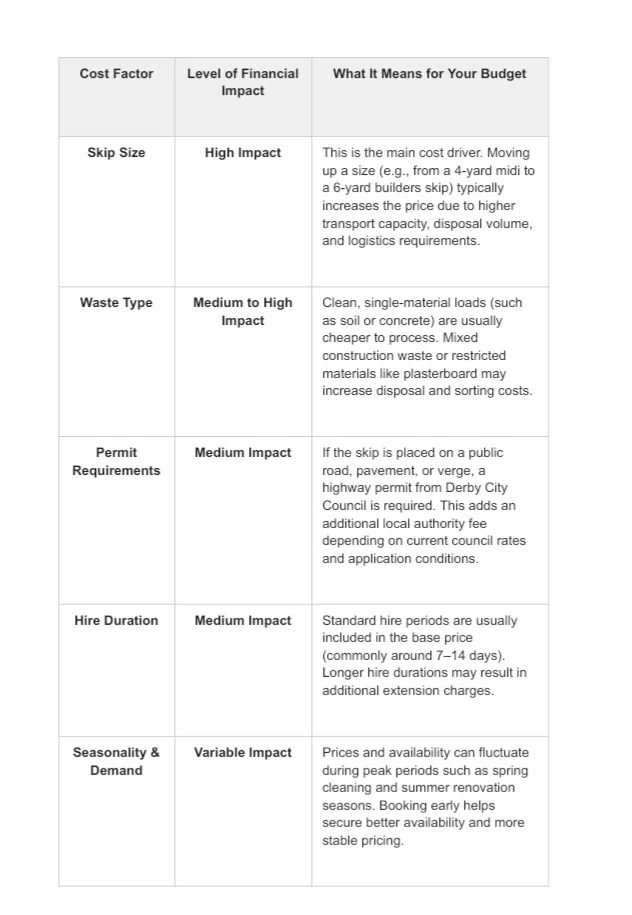
Costs depend on several key factors including skip size, hire duration, waste type, and whether a permit is required.
What Factors Affect Skip Hire Prices?
Skip hire pricing is not fixed because each project has different needs. The final cost depends on how much waste is produced and how the skip will be used.
Main cost factors include:
Skip size (mini, midi, builders, large)
Hire duration (short or extended period)
Type of waste (general, mixed, or heavy materials)
Delivery location within Derby
Skip permit requirement for public road placement
Do Skip Hire Prices Change in Derby UK During Busy Seasons?
Yes, skip hire prices can vary depending on demand throughout the year. When demand is higher, availability may be more limited, which can affect scheduling and pricing flexibility.
Common high-demand periods include:
Spring cleaning season
Summer home renovation period
End-of-year property clear-outs
These periods often see more residential and construction activity, which can increase demand for skips.
How Can We Reduce Skip Hire Costs?
Careful planning is the best way to keep skip hire costs under control. Choosing the right skip size at the start helps avoid paying for unused space or additional collections.
Simple cost-saving tips:
Choose the correct skip size from the beginning
Avoid overfilling the skip
Plan hire duration based on project timeline
Combine all waste into a single skip where possible
Skip Hire Cost Overview (Quick Comparison Guide)
Why Is Understanding Skip Hire Cost Important?
Understanding cost factors helps avoid overspending and makes it easier to choose the right skip for the job. It also helps ensure the project stays on schedule without unexpected changes in delivery or collection.
Key benefits:
Better budget planning
Fewer unexpected charges
More efficient project setup
Easier skip selection process
What Common Skip Hire Mistakes Should We Avoid?
Avoiding common mistakes helps keep skip hire simple and prevents delays or extra costs during a project.
Key mistakes to avoid include:
Choosing the wrong skip size
Overfilling the skip beyond the limit
Ignoring permit requirements
Placing restricted or hazardous waste inside
Taking a little time to plan properly helps ensure the skip is used safely and efficiently from start to finish.
FAQ
The right skip size depends on the amount of waste from the project. Small home jobs usually need a mini skip, while renovations often need a midi skip. Larger construction work may require a builders skip.
Some electrical items are restricted and cannot be placed in a skip. These items must be disposed of separately to follow UK waste regulations and ensure safe handling.
Skip hire duration is usually flexible. The skip can be kept for a short or longer period depending on the project timeline and booking arrangement.
No, a permit is only required if the skip is placed on a public road. If it is placed on private property such as a driveway, a permit is not needed.
After collection, waste is taken to a sorting facility where materials are separated. Recyclable items are processed to reduce landfill use and support responsible waste management.
Skip Hire Guide for Simple Waste Management
Skip hire provides a simple and practical way to manage waste from home, garden, and construction projects. It helps keep work areas organised and reduces the need for multiple trips to disposal sites, making projects easier to manage from start to finish.
With proper planning, it becomes easier to choose the right skip size, understand costs, and follow permit rules when needed. This helps keep the whole process smooth and efficient.
For more details or to arrange skip hire, visit Search Skip Hire UK to plan your Skip Hire Derby UK service.
References
Related Articles
https://www.searchskiphire.co.uk/blog/domestic-skip-hire/domestic-skip-hire-use-cases/
https://www.searchskiphire.co.uk/blog/skip-types/different-skip-types-explained-simply/
https://www.searchskiphire.co.uk/blog/skip-waste-types/what-can-go-in-a-skip-uk/
https://www.searchskiphire.co.uk/blog/skip-hire-prices/skip-hire-costs-pricing-decisions/
Filed under:
Skip Hire