
Skip hire in Perth UK is a practical way to manage waste from home improvements, garden projects, house clearances, and construction work. We can choose a skip that matches our project, have it delivered, fill it during the hire period, and arrange collection when the job is complete.
This keeps waste organised and makes disposal much easier. Keep reading to learn how skip hire works in Perth and how Search Skip Hire can help us find the right skip for our project.
What Are the Most Important Things to Know?
These key points provide a quick overview before we explore skip hire in greater detail throughout the rest of this guide together.
Choosing the correct skip size helps us avoid paying for unused space or ordering another skip later.
Skip hire is suitable for domestic, commercial, garden, renovation, and construction waste projects across Perth.
Understanding permits, pricing factors, and the booking process helps us arrange skip hire with greater confidence.
How Can Skip Hire Help with Domestic and Commercial Projects?
Skip hire is a practical option for projects that create more waste than regular bins can handle. Whether we are clearing a home, renovating a property, or managing a commercial site, hiring the right skip helps keep waste in one place until it is collected.
Choosing a skip based on the amount of waste we expect also makes planning much easier. If we are new to the service, Skip Hire fundamentals provides a useful introduction to the core concepts, terminology, and best practices before arranging a skip.
For larger projects or budgeting decisions, understanding Who should use skip hire services can help us decide whether skip hire is the right fit for our situation and what type of service is most suitable.
When Is Domestic Skip Hire a Good Choice?
Many home projects produce bulky waste that is difficult to dispose of through normal household collections. A skip gives us a simple way to keep waste contained while work is underway, helping the area stay cleaner and more organised.
The following household projects commonly benefit from skip hire because they can generate a large amount of waste.
Home renovations
Kitchen and bathroom upgrades
Loft and attic clearances
Garage clearances
House clearances
Garden landscaping
Fence replacement projects
General household decluttering
Using a skip also helps separate project waste from everyday household rubbish, making it easier to manage everything until collection.
How Is Skip Hire Used for Commercial Projects?
Businesses and contractors often need a practical way to deal with waste created during daily operations or planned projects. Skip hire provides a straightforward solution that supports a wide range of commercial activities.
In some busy or shared environments, security and access control can also be important. This is where lockable skips for public locations can be useful, helping reduce the risk of unauthorised use or waste being added by others.
The following commercial projects often use skip hire to manage waste more efficiently.
Office clearances
Shop refurbishments
Warehouse clear-outs
Building maintenance
Construction projects
Property maintenance
Small demolition work
Landscaping contracts
Choosing a skip that suits the size of the project helps keep work areas organised and supports efficient waste removal throughout the job.
What Types of Waste Can Go into a Skip?
Many everyday waste materials can usually be placed in a skip, provided they meet the accepted guidelines for collection and disposal. Knowing what can and cannot go into a skip helps prevent delays when it is collected.
The following materials are commonly accepted in skips.
General household waste
Furniture
Wood
Soil
Bricks
Concrete
Rubble
Garden waste
Cardboard
Plastic
Metal
Packaging materials
“Packaging is any material that is used to cover or protect goods that are supplied. It makes handling and delivering goods easier and safer.” - GOV.UK (Department for Environment, Food & Rural Affairs)
Some items require separate disposal because they cannot be placed in a standard skip. These often include hazardous waste, asbestos, chemicals, paint, gas cylinders, tyres, batteries, and electrical equipment. Checking these restrictions before filling the skip helps avoid problems on collection day.
Loading the skip carefully also makes better use of the available space. Breaking down larger items, placing flat materials first, and spreading heavier waste evenly can help keep the load stable and within the skip's capacity.
By choosing the right skip and using it responsibly, we can make waste removal simpler and keep household or commercial projects running more smoothly.
"We can offer skip hire for a number of different materials - black bag general waste, bulky general waste, waste upholstered domestic seating (WUDS) bulky waste, inert waste, timber waste, metal waste, garden waste, mixed plastics and tins waste, and also food waste." - Perth & Kinross Council
The official guidance from Perth & Kinross Council supports this, showing that skip hire services are designed to handle a wide range of waste types, helping ensure materials are managed through proper and regulated channels.
What Are the Environmental Benefits of Skip Hire?
Skip hire helps make waste management more organised by keeping all waste in one container instead of using multiple trips to disposal sites. This reduces transport needs and supports a more efficient way of handling waste from homes, gardens, and construction projects.
Another key benefit comes from what happens after collection. Once the skip is taken away, the waste is sorted so that as much as possible can be recycled or reused. This helps reduce landfill use and supports better use of natural resources.
How skip hire supports recycling and sustainability
Many materials collected in skips can be recovered and processed again. This reduces the need for new raw materials and supports a more responsible waste system.
Common recyclable materials include:
Metal from tools, fixtures, and construction waste
Wood from renovation, DIY, and garden work
Concrete and rubble used in construction recycling
Cardboard and packaging materials
Other environmental benefits include:
Less waste sent to landfill through better sorting
Fewer transport trips, which helps reduce emissions
More efficient recycling through organised processing systems
Higher recovery of usable materials for new projects
Overall, skip hire supports a more structured approach to waste handling, where more materials are reused and less waste ends up being disposed of unnecessarily.
How Is Skip Waste Managed and Recycled in the UK?
In the UK, skip waste is managed through a structured system that focuses on recycling as much material as possible before anything is sent to landfill. After collection, waste is taken to licensed facilities where it is sorted, processed, and separated into different material types.
A key part of this process is the Materials Recovery Facility (MRF). At these sites, waste is broken down and sorted so recyclable materials can be recovered and reused. This helps reduce the overall environmental impact of waste disposal.
What happens during the recycling process?
At an MRF facility, skip contents are separated into categories such as:
Metals for melting and reuse
Wood for recycling or energy recovery
Concrete and rubble for reuse in construction
Cardboard and packaging for reprocessing
General waste for further treatment or disposal
This sorting process helps increase the landfill diversion rate, meaning more waste is kept out of landfill sites and directed into recycling or recovery streams.
How is hazardous waste handled?
Some materials cannot be processed through standard skip recycling systems. These require separate, controlled handling under UK law.
Common hazardous items include:
Asbestos
Chemicals and solvents
Paint and oils
Batteries
Gas cylinders
Electrical waste
These materials must be:
Collected and transported separately
Taken to specialist treatment facilities
Handled under strict safety and environmental regulations
What Regulations Apply to Skip Hire in the UK?
Skip hire in the UK is controlled by waste management rules that focus on safe collection, transport, and disposal. These rules make sure waste is handled properly from the moment it is collected until it reaches a licensed facility for processing.
Local councils may also set additional requirements. This is especially important when a skip is placed on public land, where a permit is usually needed before delivery.
Common locations that often require a permit include:
Roads
Pavements
Verges
Other public highways
Waste carriers must also follow duty of care responsibilities. This means waste must be:
Transported in a safe and legal way
Taken only to licensed disposal or recycling sites
Tracked to reduce the risk of illegal dumping
Managed in a way that protects the environment
These regulations help ensure skip hire stays safe, legal, and environmentally responsible throughout the entire process.
What Skip Size Is Right for the Project?
Choosing the right skip size helps us manage waste more efficiently and avoid ordering a skip that is either too small or larger than necessary. The best option depends on the amount of waste, the type of project, and the space available for delivery. The table below gives a quick comparison before we look at each skip size in more detail.
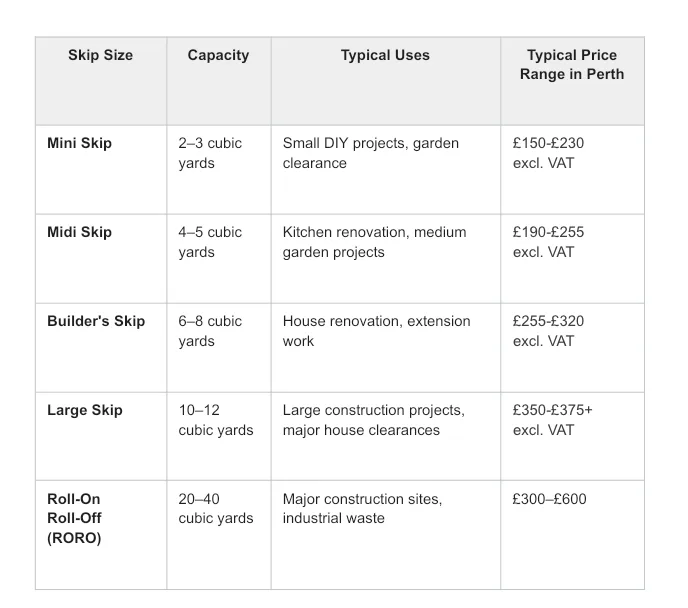
When Should We Choose a Mini Skip?
Mini skips are suitable for smaller projects that produce a limited amount of waste. Their compact size makes them a practical choice for properties where space is limited, while still providing enough capacity for many everyday jobs.
The following mini skip sizes are commonly available.
2-yard skip – Suitable for small DIY projects, light household waste, and minor clear-outs.
3-yard skip – A good choice for garden clearances, seasonal tidy-ups, and small home improvement projects.
Mini skips are often enough when we only need to remove a relatively small amount of waste.
When Is a Midi Skip the Better Option?
Midi skips provide more capacity than mini skips, making them a good option for projects that produce a moderate amount of waste without requiring a larger builder's skip.
The following midi skip sizes are commonly available.
4-yard skip – Suitable for kitchen or bathroom improvements and general household clearances.
5-yard skip – A practical choice for medium-sized garden projects, mixed waste, and larger DIY work.
A midi skip offers a useful balance between capacity and the space needed for delivery.
Why Is a Builder's Skip So Popular?
Builder's skips are widely used because they can handle both bulky and heavier waste from renovation and construction projects. They are suitable for jobs that create more waste than household projects but do not require a large commercial skip.
The following builder's skip sizes are commonly available.
6-yard skip – Suitable for home renovations, landscaping work, and mixed building waste.
8-yard skip – Ideal for extension projects, construction debris, bulky household items, and larger property clearances.
These skips are often chosen for projects that involve ongoing building or refurbishment work.
When Is a Large Skip the Right Choice?
Large skips are designed for projects that generate a substantial volume of waste over several days or weeks. They provide additional capacity, reducing the need for multiple collections during larger jobs.
The following large skip sizes are commonly available.
10-yard skip – Suitable for major home renovations, office refurbishments, and large house clearances.
12-yard skip – A good option for substantial construction projects and higher volumes of mixed waste.
Choosing a larger skip can be more practical when we expect waste to build up throughout the project.
What Is a Roll-On Roll-Off (RORO) Skip?
Roll-On Roll-Off (RORO) skips are the largest option and are mainly used for commercial, industrial, and major construction projects. They are designed for sites that produce very large amounts of waste.
The following RORO skip sizes are commonly available.
20-yard RORO skip – Suitable for larger construction projects and commercial waste removal.
40-yard RORO skip – Designed for major construction sites, demolition work, and industrial waste management.
RORO skips are generally selected when standard skips do not provide enough capacity for the volume of waste being produced.
What Affects Skip Hire Prices?
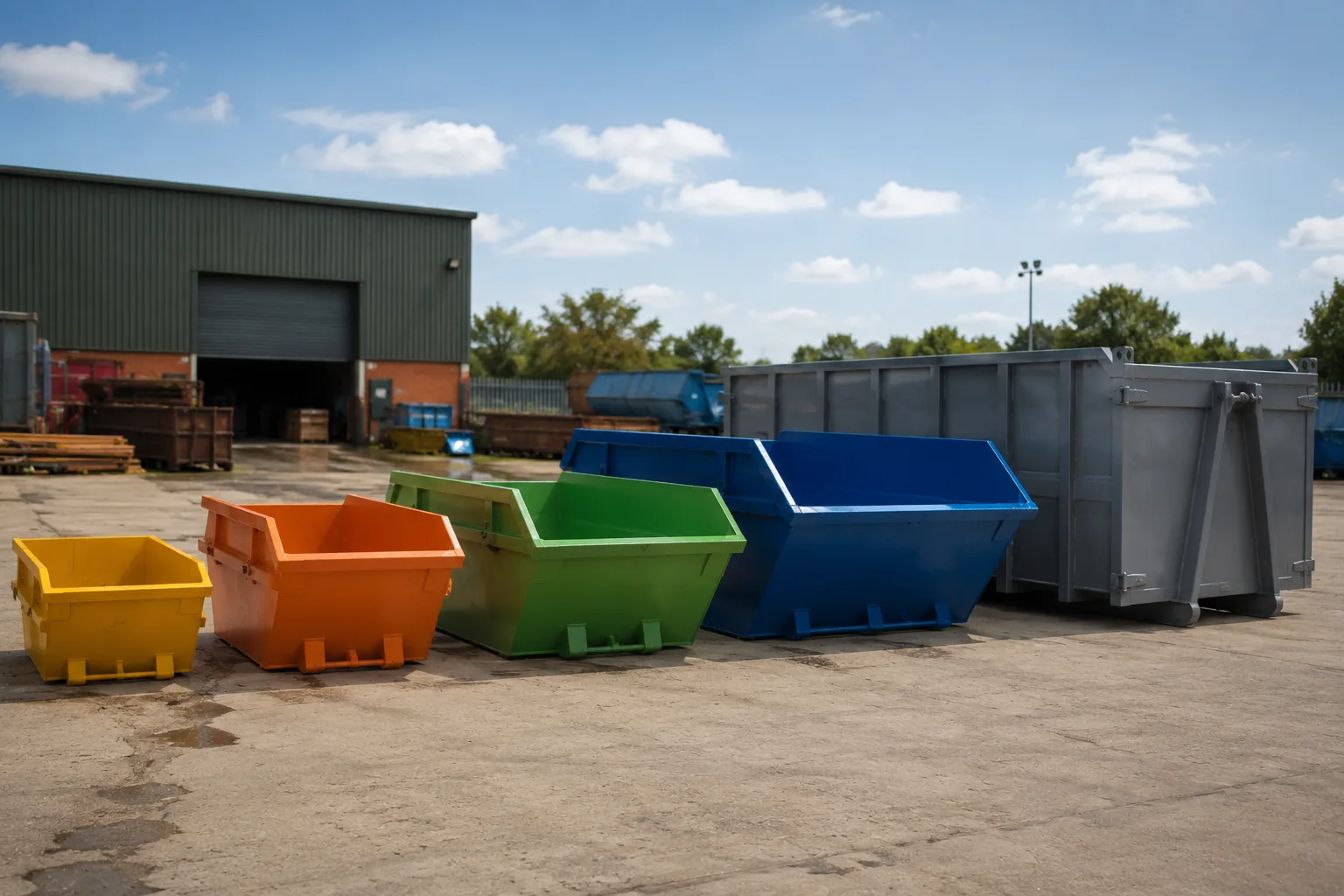
Skip hire prices can vary because every project is different. The overall cost depends on factors such as the size of the skip, how long we need it, and where it will be delivered. Understanding these factors before booking helps us set a realistic budget and choose a skip that suits our project.
What Can Affect the Cost of Skip Hire?
Several details can influence the final hire price. Knowing what these are makes it easier to understand why the cost may vary from one booking to another.
The following factors commonly affect skip hire prices.
Skip size
Hire duration
Type of waste
Delivery location
Collection arrangements
Permit requirements, if needed
Waste processing and disposal
Choosing a skip that matches the amount of waste we expect can help us avoid paying for unnecessary extra capacity or arranging an additional collection.
How Can a Skip Hire Quote Be Requested?
Getting a skip hire quote is usually a straightforward process. Before requesting a quote, it helps to have a few project details ready so we can choose the most suitable option.
The following information is commonly needed when requesting a quote.
Our delivery postcode or location
The skip size we need
Our preferred delivery date
Where the skip will be placed
Contact details to complete the booking
Having this information prepared helps make the booking process quicker and allows us to review the available skip options before confirming our order.
How Is a Skip Hired?
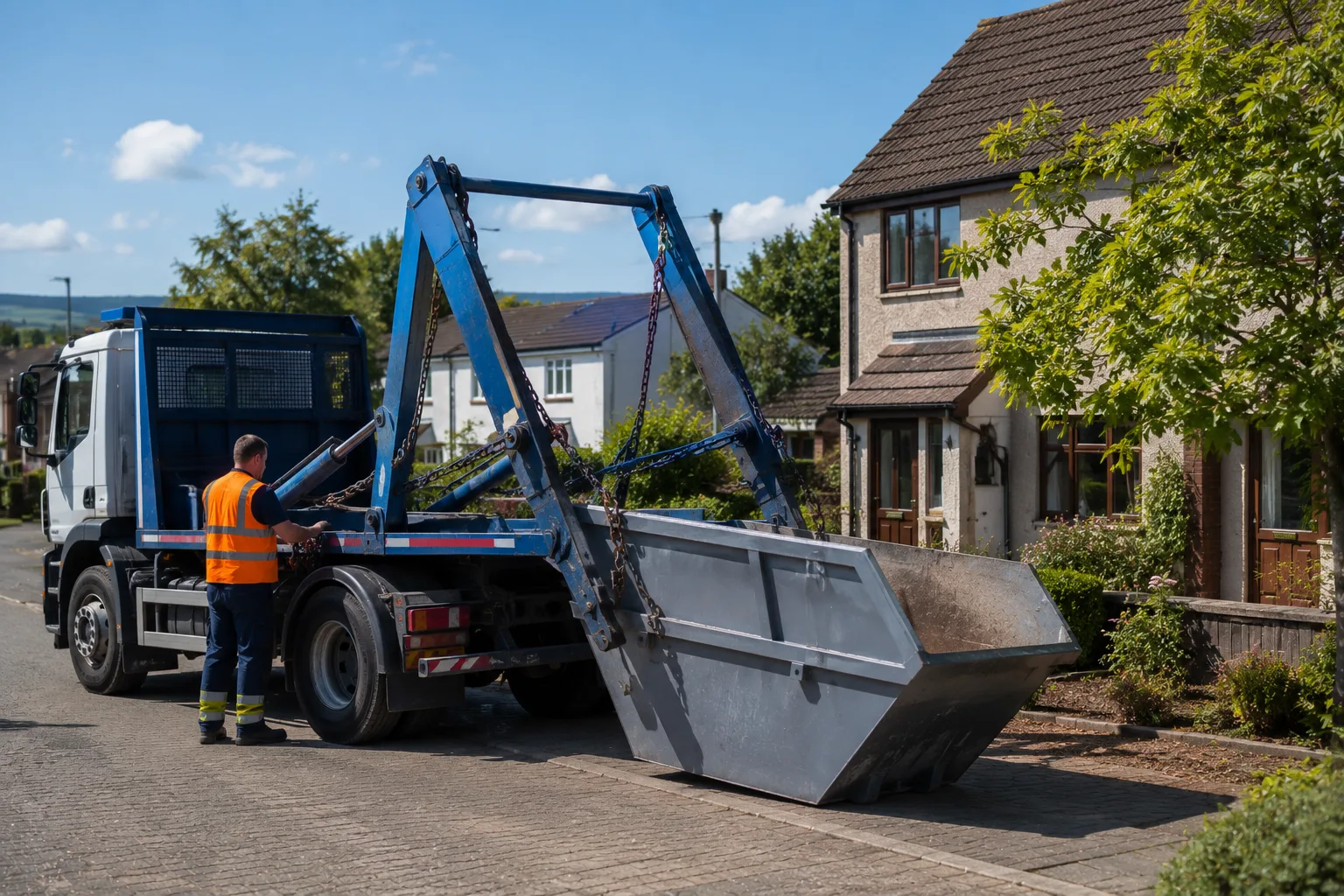
Hiring a skip follows a simple process when each step is understood before booking. A bit of planning at the start helps keep the project on track and avoids delays later.
How Is the Right Skip Size Selected?
Choosing the correct skip size depends on the amount and type of waste produced. Thinking through the project needs in advance helps prevent a skip that is too small or larger than necessary.
The following points are usually considered before selecting a skip.
Type of project
Expected waste volume
Heavy or bulky materials
Available space for delivery
Taking these points into account early helps the rest of the process run more smoothly.
How Is the Delivery Date Decided?
Selecting a delivery date that matches the project timeline helps ensure the skip arrives when waste starts to build up. This avoids having a skip sitting unused for too long.
Planning the delivery around the work schedule also helps make loading more efficient from the first day of the project.
How Should a Skip Be Filled?
Loading a skip correctly helps make full use of the available space and ensures safe collection. It is important to avoid overfilling and to distribute weight evenly across the container.
Ignoring loading guidance can lead to safety issues or delays, especially when exceeding capacity. This is why understanding weight limits and overloading risks is important before and during use.
The following practices help with safe and efficient loading.
Break down large or bulky items
Stack flat materials neatly
Distribute heavier waste evenly
Do not fill above the skip edge
Keep restricted items out of the skip
Careful loading helps ensure the skip can be collected without issues at the end of the hire period.
What Happens After the Hire Period Ends?
Once the project is finished, the skip is collected and the waste is taken away for sorting and disposal.
A few simple steps help the collection process go smoothly.
Finish loading before collection day
Keep access clear for the collection vehicle
Avoid overfilling the skip
Remove any waste outside the skip
Following these steps helps keep the project organised and ensures waste removal is completed without unnecessary delays.
How Is Waste Processed After Skip Collection?
After a skip is collected, the waste is taken to a sorting facility instead of going straight to landfill. The aim is to separate materials so as much as possible can be reused, recycled, or safely disposed of. This helps reduce landfill use and supports more responsible waste handling.
At a waste transfer station or Materials Recovery Facility (MRF), the contents are sorted into different groups based on material type. Each group is then handled in a way that fits its condition and how it can be processed.
Common material groups include:
Wood from home and construction work
Metal such as pipes, frames, and fittings
Soil and other natural materials
Bricks, concrete, and rubble
Mixed general waste for further sorting
After sorting, each material follows a different path:
Recyclable items are processed and turned into materials that can be used again
Inert materials like rubble are often crushed and reused in construction work
Non-recyclable waste is safely disposed of following environmental rules
This process helps reduce landfill use and makes better use of recovered materials, supporting a more efficient and responsible waste system overall.
When Is a Skip Permit Required?
A skip permit is not always needed, but understanding when it applies helps avoid delays and keeps the project running smoothly. The main factor is where the skip will be placed, since different locations follow different rules.
When Is a Permit Needed?
A permit is usually required when a skip is placed on public land rather than private property. These rules can vary slightly depending on local regulations, so it is important to check requirements before delivery is arranged.
The following locations commonly require a skip permit.
Public roads
Public streets
Pavements
Verges
Other public highways
Allowing time for a permit request helps prevent delays and ensures the skip can be delivered as planned.
When Is a Permit Not Needed?
A permit is not normally required when the skip is placed on private land. This is often the simplest option for many domestic and commercial projects.
The following locations typically do not require a permit.
Private driveways
Private gardens
Private land
Commercial premises with enough space
Using private space for skip placement can make the process easier since it removes the need for additional permission before delivery.
Where Do Skip Hire Services Cover Around Perth?
Skip hire services are available across Perth and many nearby areas. Coverage can vary depending on location and availability, but many surrounding communities can also arrange skip delivery through the same booking process.
For readers comparing services in different parts of the UK, skip hire Lincoln and Leicester follows a similar approach, with local coverage, skip size options, and booking requirements tailored to the area.
What Areas Are Covered in Perth?
Skip hire is commonly used across Perth for both household and commercial projects. Having access to different skip sizes helps support a wide range of waste removal needs, from small home clearances to larger construction work.
Typical projects in the area include:
Home renovations
Garden clearances
House clearances
Office refurbishments
Building projects
General waste removal
Choosing the right skip size helps keep these projects organised and easier to manage from start to finish.
Which Areas Are Included in Perthshire Coverage?
Many nearby communities across Perthshire also use skip hire for domestic and commercial waste. This helps support both planned projects and general property clear-outs.
Commonly served locations may include:
Blairgowrie
Crieff
Pitlochry
Auchterarder
Kinross
Availability can depend on the delivery location and the skip size selected, so it may vary from one booking to another.
Are Nearby Areas Also Served?
Some additional areas outside central Perthshire may also be covered, depending on availability and delivery scheduling.
These can include:
Dundee
Surrounding villages
Nearby rural communities
Checking availability during the booking process helps confirm whether delivery is possible for a specific location and project type.
What Are Common Uses for Skip Hire?
Skip hire is used for many different types of projects throughout the year. From small home clear-outs to larger construction work, having a skip on site helps keep waste contained and easier to manage.
When Is a Skip Useful for House Clearances?
House clearances often involve a mix of bulky items, furniture, and general household waste. This type of waste can quickly build up and become difficult to manage with regular bins.
A skip is often used for situations such as:
Moving home
Emptying inherited properties
Decluttering multiple rooms
Preparing a property for sale
Removing old or unwanted furniture
Keeping all waste in one place helps make the clearance process more organised and less stressful.
How Does a Skip Help with Garage Clearances?
Garages are often used to store items that are no longer needed. Over time, this can create a large amount of waste that is not easy to dispose of through normal collections.
Common garage waste includes:
Old shelving
Broken furniture
Cardboard boxes
Timber
General household items
DIY materials
Using a skip helps remove everything in one go, without needing multiple trips to a disposal site.
Why Is a Skip Useful for Garden Work?
Garden projects can produce a surprising amount of green waste, especially during landscaping or seasonal clean-ups. Many of these materials are bulky and take up a lot of space.
Typical garden waste includes:
Branches
Shrubs
Grass cuttings
Soil
Weeds
Old fencing
Paving materials
A skip helps keep the outdoor space tidy while work is in progress.
How Does Skip Hire Support Home Renovation Work?
Renovation projects often generate waste in stages rather than all at once. Having a skip available makes it easier to remove materials as the work continues.
Common renovation waste includes:
Plasterboard
Wood
Tiles
Flooring
Cabinets
Packaging
Rubble
Removing waste regularly helps keep the workspace safer and easier to manage.
How Is Skip Hire Used in Construction Work?
Construction projects often produce heavier and more mixed materials, which may require a larger skip to handle ongoing waste.
Common construction waste includes:
Bricks
Concrete
Rubble
Timber
Metal
Packaging
Mixed building materials
Choosing the right skip size at the start of the project helps keep the site organised and supports smoother waste removal throughout the work.
Why Compare Skip Hire Options?
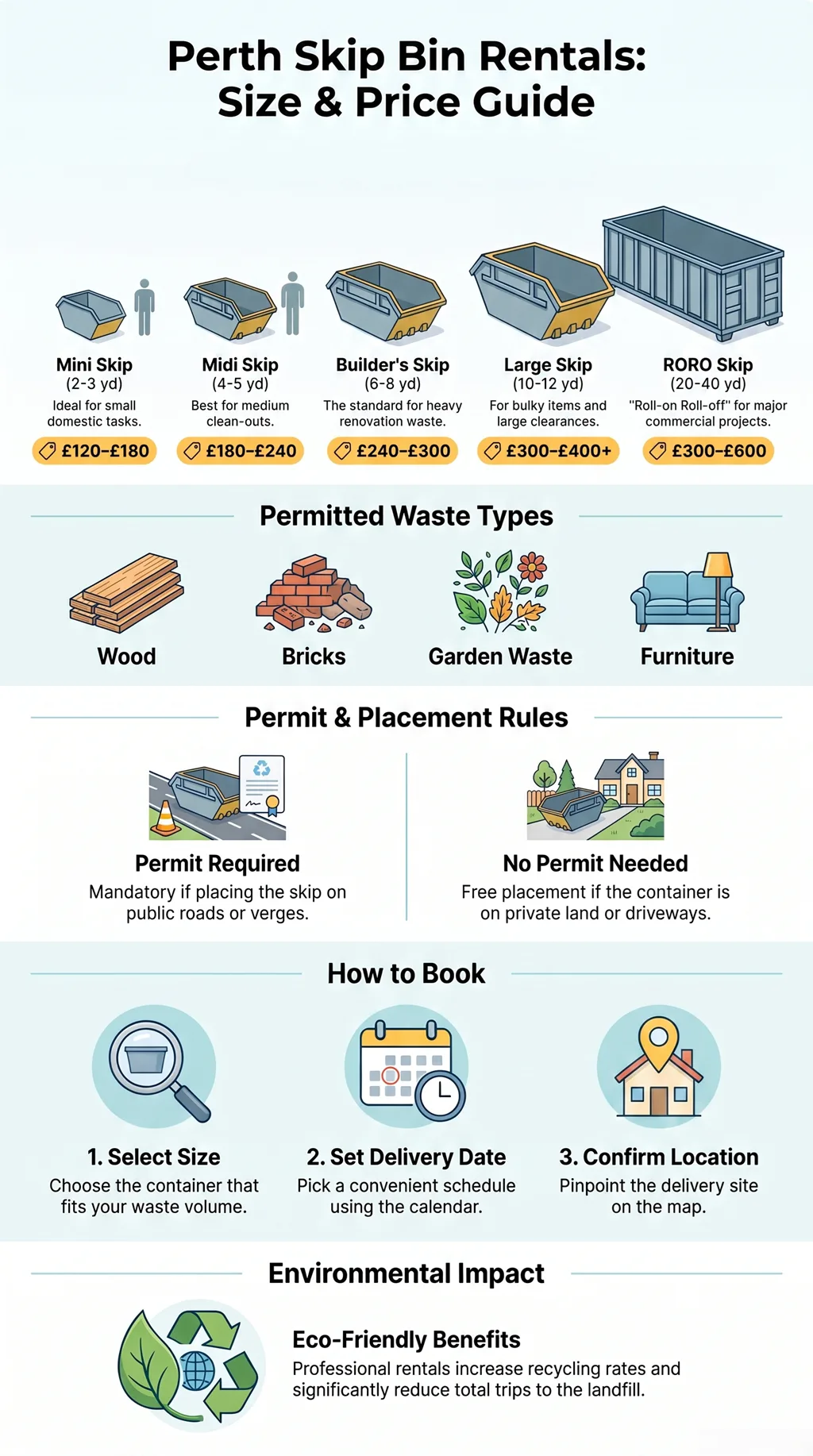
Comparing skip hire options helps with choosing a service that fits the amount of waste from a project. Looking at skip sizes and booking details before making a decision can make planning easier and more organised.
What Should Be Considered When Comparing Skip Sizes?
Every project produces a different amount of waste, so selecting the right skip size is an important step in the planning process.
Before booking, the following points are usually taken into account:
Estimated amount of waste
Available space for skip placement
Presence of heavy or bulky materials
Project duration
Taking a short time to review these factors can reduce the chance of choosing a skip that is too small or larger than needed.
What Information Is Needed for Online Booking?
Booking a skip online is designed to be straightforward when the necessary details are prepared in advance. Having this information ready helps the process move more smoothly.
The following details are commonly required:
Delivery postcode
Required skip size
Preferred delivery date
Skip placement location
Contact details
Preparing these details early helps reduce delays during the booking process and allows suitable options to be shown more quickly.
How Should Delivery and Collection Be Planned?
Planning delivery and collection times helps keep a project organised from start to finish. It also ensures the skip is available when needed and removed once the work is complete.
The following steps are commonly followed:
Choose a delivery date before work begins
Fill the skip during the hire period
Keep access clear for collection
Complete loading before collection day
Good planning helps avoid delays and supports a smoother waste removal process once the project is finished.
FAQ
Skip size depends on the amount of waste produced. Smaller projects like DIY work or garden clear-ups usually need a mini skip, while larger home renovations or clearances may require a builder’s or large skip. Choosing the right size helps avoid extra cost or unused space.
A skip permit is needed when the skip is placed on public land such as roads, pavements, verges, or other public highways. No permit is usually needed if the skip is placed on private land like a driveway, garden, or private property.
Most general waste can go into a skip, including wood, soil, bricks, rubble, furniture, and garden waste. Hazardous materials such as asbestos, chemicals, batteries, tyres, and gas cylinders must be handled separately and cannot be placed in a standard skip.
Skip hire cost depends on several factors such as skip size, hire duration, waste type, delivery location, permit needs, and collection requirements. Larger skips and longer hire periods usually increase the total cost.
Once the hire period ends, the skip is collected and the waste is taken for sorting and disposal. Proper loading, avoiding overfilling, and keeping access clear help ensure smooth and timely collection without delays.
Is Skip Hire in Perth UK the Right Choice for Waste Removal?
Skip hire in Perth UK provides a practical way to manage waste from home clearances, garden projects, renovations, commercial work, and construction jobs. Choosing the right skip size, understanding permit needs, and planning delivery and collection helps keep projects organised and easier to manage from start to finish.
Each project has different requirements, so selecting the right option supports smoother progress and less disruption. For more details or to arrange a skip, visit Search Skip Hire and explore the available options.
References
Related Articles
https://www.searchskiphire.co.uk/blog/skip-hire/who-should-use-skip-hire-services/
https://www.searchskiphire.co.uk/blog/skip-types/lockable-skips-for-public-locations/
https://www.searchskiphire.co.uk/blog/skip-sizes/weight-limits-and-overloading-risks/
https://www.searchskiphire.co.uk/blog/skip-hire/skip-hire-uk-fundamentals/
https://www.searchskiphire.co.uk/blog/skip-hire/skip-hire-leicester/
https://www.searchskiphire.co.uk/blog/skip-hire/skip-hire-lincoln/
Filed under:
Skip Hire